A Russian superyacht has navigated through the Strait of Hormuz despite an ongoing blockade, in a move that has caught international attention. The yacht, believed to be associated with interests close to Russian President Vladimir Putin, successfully sailed through the strategic waterway on Tuesday, raising questions about the region's stability and international maritime law.
Geopolitical Tensions in Hormuz
The Strait of Hormuz is one of the world's most crucial maritime chokepoints, with approximately 20% of the world's petroleum passing through it. The passage of the Russian vessel has renewed focus on the geopolitical tensions in the area, particularly concerning Russia's strategic maneuvers in global waterways.
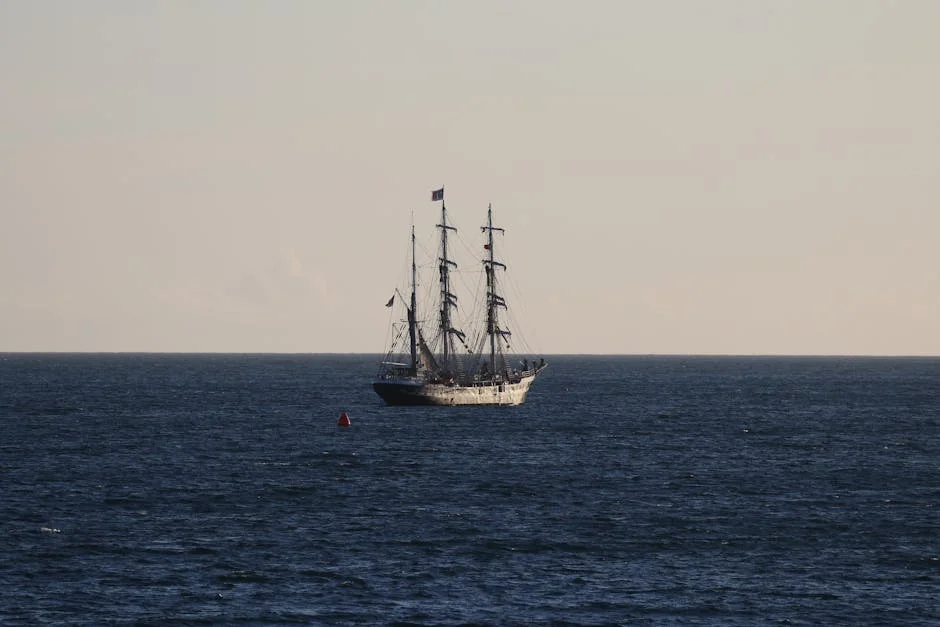
This event comes amid heightened scrutiny from Western nations, including the United States, which has a significant naval presence in the Gulf. The U.S. has historically emphasized the importance of free navigation in the region, making the yacht's journey a point of contention.
International Reactions and Implications
Global reactions have been varied. Some Western nations view the yacht's passage as a provocative gesture by Russia, challenging the effectiveness of existing blockades. Meanwhile, Russian officials have not publicly commented on the yacht's journey, leaving analysts to ponder the broader implications for international relations.
According to maritime authorities in Oman, where the strait is geographically located, the yacht's passage followed all legal maritime protocols. However, this has not allayed concerns among some Gulf states regarding the intentions behind Russia's maritime activities.
Economic Consequences


The incident has potential economic ramifications as well. The Strait of Hormuz is a vital artery for oil exports, and any disruption or perceived threat to its security can impact global oil prices. Markets have already shown signs of volatility, with oil prices experiencing a minor uptick following the yacht's passage.
Analysts warn that any further incidents could lead to more significant economic impacts, affecting not only regional but also global supply chains and energy markets.
What to Watch Next
As the situation unfolds, attention will be on how international forces, particularly the U.S. and allied navies, respond to this development. Maritime security in the Strait of Hormuz will likely remain a focal point. Observers will be keen to see if this event triggers any policy shifts or strategic realignments among the nations involved.
Furthermore, any official comments from the Kremlin or additional maritime movements in the region could provide clues about Russia's strategic intentions. The coming weeks may reveal whether this was a singular incident or part of a broader pattern of geopolitical maneuvering by Moscow.
See Also
- Grindwell Norton Analysis Sparks US Market Surge
- Johannesburg City Officials Warn Budget Shortfall Reaches Crisis Level
Markets have already shown signs of volatility, with oil prices experiencing a minor uptick following the yacht's passage.Analysts warn that any further incidents could lead to more significant economic impacts, affecting not only regional but also global supply chains and energy markets.What to Watch NextAs the situation unfolds, attention will be on how international forces, particularly the U.S. However, this has not allayed concerns among some Gulf states regarding the intentions behind Russia's maritime activities.Economic ConsequencesThe incident has potential economic ramifications as well.