Ghana's military is actively pursuing those responsible for a deadly attack on a convoy traveling on a northern highway. This incident occurred on Wednesday near the town of Bawku, a region already grappling with security issues. The attack left at least three people dead and several others injured, sparking an intensive manhunt.
Details of the Attack
The attack targeted a convoy of vehicles, including one carrying goods, along the Bolgatanga-Bawku road. According to local authorities, the ambush involved gunmen who fired indiscriminately at the vehicles, causing chaos and casualties. The motive behind the attack remains unclear, but it has heightened fears of escalating violence in the region.
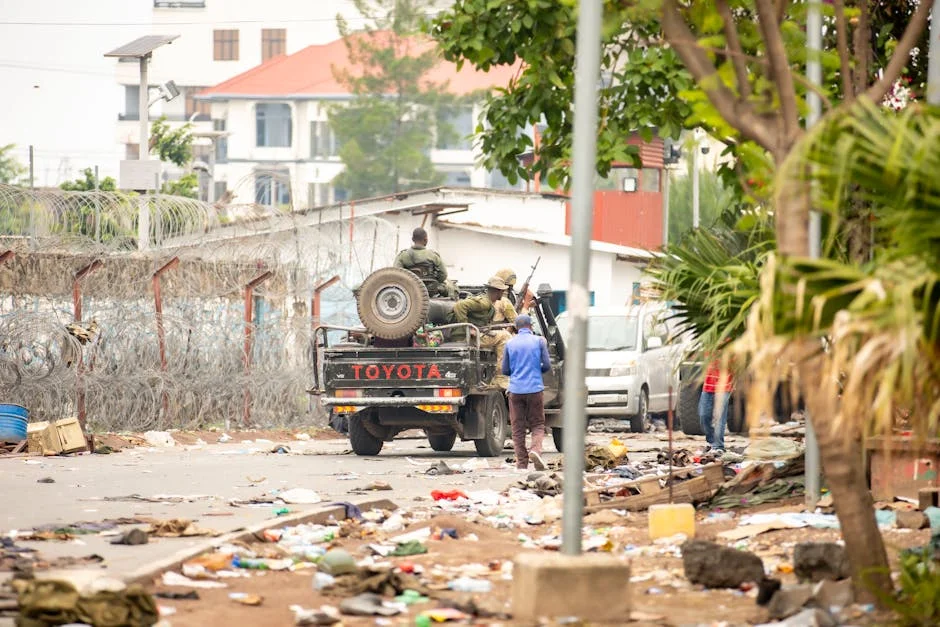
Security forces have been deployed to the area to maintain order and prevent further incidents. The Defence Ministry, led by Minister Dominic Nitiwul, is coordinating the response efforts. The ministry has also urged locals to assist with information that could lead to the capture of the perpetrators.
Impact on Local and International Relations
This attack is not only a local security concern but could also have broader implications. Ghana, a key player in West African stability, has been a reliable partner for the United States and other nations in regional security initiatives. The incident could affect perceptions of safety and impact future collaborations.
The U.S. Embassy in Accra has not issued a formal statement yet, but American interests in the area, particularly those related to development and security partnerships, may require reassessment. This situation underscores the importance of addressing security threats promptly to maintain trust and cooperation with international partners.
Regional Security and Historical Context


The northern regions of Ghana, including Bawku, have historically faced ethnic tensions and sporadic violence. These issues have often been fueled by disputes over land and resources. The government has been working on initiatives to promote peace and development in these areas, but challenges remain.
Role of Local Communities
Community leaders have been instrumental in mediating conflicts and fostering dialogue. Their involvement remains crucial in the aftermath of the recent attack. Strengthening community ties and improving local governance can help mitigate future risks.
The government is also considering increased investment in security infrastructure and personnel to better protect the vulnerable regions.
What to Watch Next
The ongoing manhunt is expected to continue in the coming days, with the military intensifying its search operations. Observers are keenly watching how the Ghanaian authorities will manage this security challenge and what measures will be implemented to prevent similar incidents in the future.
Additionally, any diplomatic responses from the international community, especially the United States, will be significant in shaping Ghana's future security policies and partnerships. Stakeholders will be closely monitoring developments, as they could influence both domestic and foreign policy strategies moving forward.
See Also
This situation underscores the importance of addressing security threats promptly to maintain trust and cooperation with international partners.Regional Security and Historical ContextThe northern regions of Ghana, including Bawku, have historically faced ethnic tensions and sporadic violence. Observers are keenly watching how the Ghanaian authorities will manage this security challenge and what measures will be implemented to prevent similar incidents in the future.Additionally, any diplomatic responses from the international community, especially the United States, will be significant in shaping Ghana's future security policies and partnerships.