Singapore is investigating the feasibility of harnessing geothermal energy to meet its power, heating, and cooling demands. The city-state announced on Tuesday its plans to conduct a comprehensive study on the potential for geothermal energy, which could provide a sustainable alternative to its current energy sources.
Singapore's Energy Ambitions
The Singapore Ministry of Trade and Industry is spearheading this initiative as part of the country's broader efforts to transition to renewable energy. With limited land and natural resources, Singapore has traditionally relied heavily on imported natural gas, making the exploration of geothermal energy a significant step towards energy independence and sustainability.
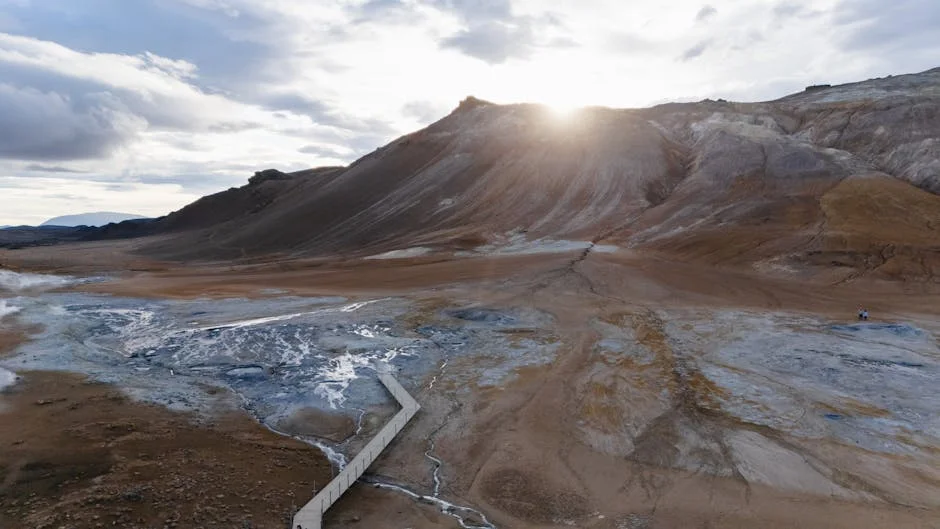
Geothermal energy, derived from the Earth's internal heat, is a renewable resource that can provide a stable and reliable supply of power. Singapore's interest in this energy source comes amid global efforts to reduce carbon emissions and combat climate change.
Potential Sites and Challenges
Initial assessments have identified potential geothermal sites in the northern and eastern regions of Singapore. However, the success of this initiative depends on overcoming technical and geological challenges, such as drilling costs and the depth required to access geothermal reservoirs.
Professor S. Pushparajah from the National University of Singapore's Earth Observatory highlighted that while Singapore sits on the Sunda tectonic plate, which is less active, there might still be viable geothermal resources deep underground. He added, "The key will be leveraging advanced technology to explore these depths effectively."
Geothermal Energy in the Global Context

Globally, countries like Iceland and New Zealand have successfully harnessed geothermal energy for decades. Singapore could learn from their experiences to develop its geothermal capabilities. However, the scale and geographic features of Singapore present unique challenges that require tailored solutions.
In contrast to larger nations, Singapore's urban density and land constraints may limit the size and scope of geothermal projects. Yet, the potential benefits, including reduced reliance on imported fuels and decreased carbon emissions, make it an attractive option to pursue.
Looking Ahead
The Singapore government plans to release the findings of the feasibility study by the end of 2024. If viable, the next steps would involve pilot projects and further research into integrating geothermal energy into the national grid.
As Singapore continues to explore renewable energy options, this initiative could mark a significant shift in its energy strategy, paving the way for a more sustainable future. Stakeholders and citizens alike will be watching closely to see how this potential game-changer unfolds.
Frequently Asked Questions
What is the latest news about singapore explores geothermal energy for power needs a sustainable shift?
Singapore is investigating the feasibility of harnessing geothermal energy to meet its power, heating, and cooling demands.
Why does this matter for environment-nature?
With limited land and natural resources, Singapore has traditionally relied heavily on imported natural gas, making the exploration of geothermal energy a significant step towards energy independence and sustainability.Geothermal energy, derived from
What are the key facts about singapore explores geothermal energy for power needs a sustainable shift?
However, the success of this initiative depends on overcoming technical and geological challenges, such as drilling costs and the depth required to access geothermal reservoirs.Professor S.