Japan Airlines has introduced humanoid robots to manage luggage handling at Tokyo's Narita International Airport. This innovative approach comes in response to a shortage of workers in the aviation sector, a challenge that has been exacerbated by the ongoing global pandemic. The robots, which are capable of lifting and transporting bags, aim to improve efficiency and reduce manual labor costs.
Labour Shortages in Aviation
The aviation industry in Japan has been grappling with a labor shortage, a problem amplified by the aging population. The use of robotics aims to fill this gap, allowing the airline to maintain high service levels without relying heavily on human labor. By deploying robots, Japan Airlines not only addresses immediate operational challenges but also sets a precedent for future technological integration in the industry.
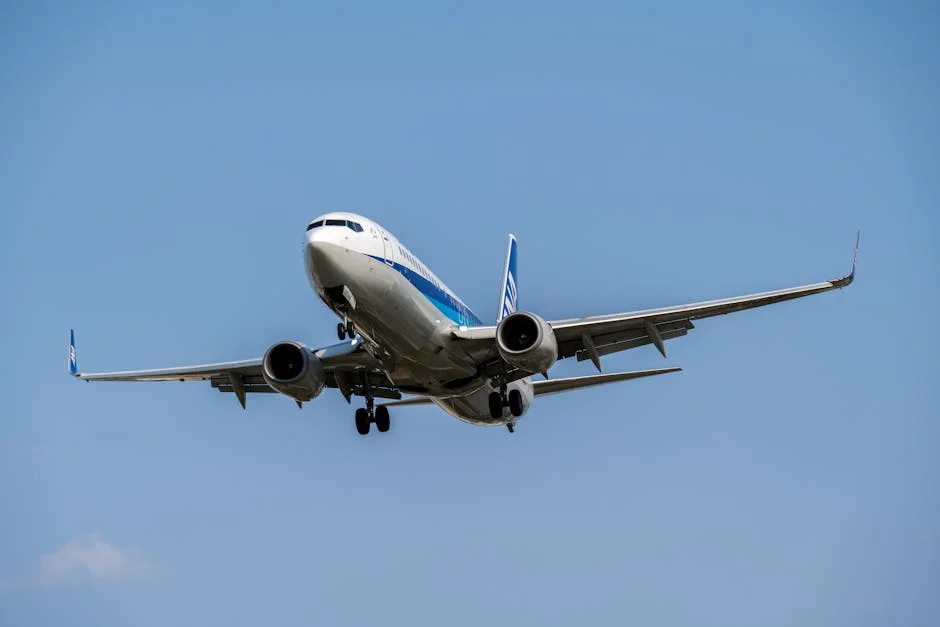
According to the Ministry of Internal Affairs and Communications, Japan's working-age population has declined by over 5% in the last decade. This has prompted several industries, including aviation, to seek technological solutions. The use of robots at Narita is part of a broader trend towards automation in response to demographic changes.
Technological Advancements and Economic Implications
The introduction of robots in baggage handling is part of a larger strategy by Japan Airlines to integrate technology into its operations. These robots are equipped with advanced sensors and artificial intelligence, allowing them to navigate busy airport environments efficiently. They can handle up to 60 bags per hour, dramatically increasing the throughput compared to human workers.
Impact on the United States and Global Aviation
Japan Airlines' move is being closely watched by international aviation players, including those in the United States. As airlines worldwide face similar labor shortages and cost pressures, the success of this initiative could influence global strategies. The International Air Transport Association (IATA) has noted that labor costs account for nearly 30% of airline operating expenses, making automation an attractive option.
The use of robots may also impact passenger experiences, potentially leading to faster check-in times and fewer lost bags. However, it raises questions about job displacement and the need for new skill sets among airport staff.
Future of Automation in Aviation


As Japan Airlines continues to test and refine its robotic workforce, industry stakeholders will watch closely to assess the broader implications. The success of this venture could pave the way for more widespread adoption of robotics in airports around the world.
Looking forward, Japan Airlines plans to expand the use of robots to other airports if trials prove successful. The airline is also exploring additional automation technologies to further streamline operations and enhance customer service. Observers will be keen to see how other airlines respond and whether similar technological adoptions will occur globally.
With the next major aviation conference set to take place in early 2024, it will be interesting to see how Japan Airlines' initiative influences industry discussions on automation and labor solutions.
Frequently Asked Questions
What is the latest news about japan airlines deploys robots to handle luggage a game changer?
Japan Airlines has introduced humanoid robots to manage luggage handling at Tokyo's Narita International Airport.
Why does this matter for economy-business?
The robots, which are capable of lifting and transporting bags, aim to improve efficiency and reduce manual labor costs.Labour Shortages in AviationThe aviation industry in Japan has been grappling with a labor shortage, a problem amplified by the ag
What are the key facts about japan airlines deploys robots to handle luggage a game changer?
By deploying robots, Japan Airlines not only addresses immediate operational challenges but also sets a precedent for future technological integration in the industry.According to the Ministry of Internal Affairs and Communications, Japan's working-a