In March, European Union car sales experienced a notable increase of 12.5%, largely driven by the surge in electric vehicle (EV) purchases. This growth highlights the region's accelerated shift towards cleaner energy solutions and the increasing consumer demand for sustainable transportation options.
Electric Vehicles Lead the Charge
The Association of European Automobile Manufacturers reported that the rise in car sales was predominantly fueled by electric vehicles. This shift in consumer preference underscores the EU's commitment to reducing carbon emissions and transitioning to greener alternatives. As more manufacturers introduce diverse EV models, consumers have a wider range of choices, encouraging further adoption.
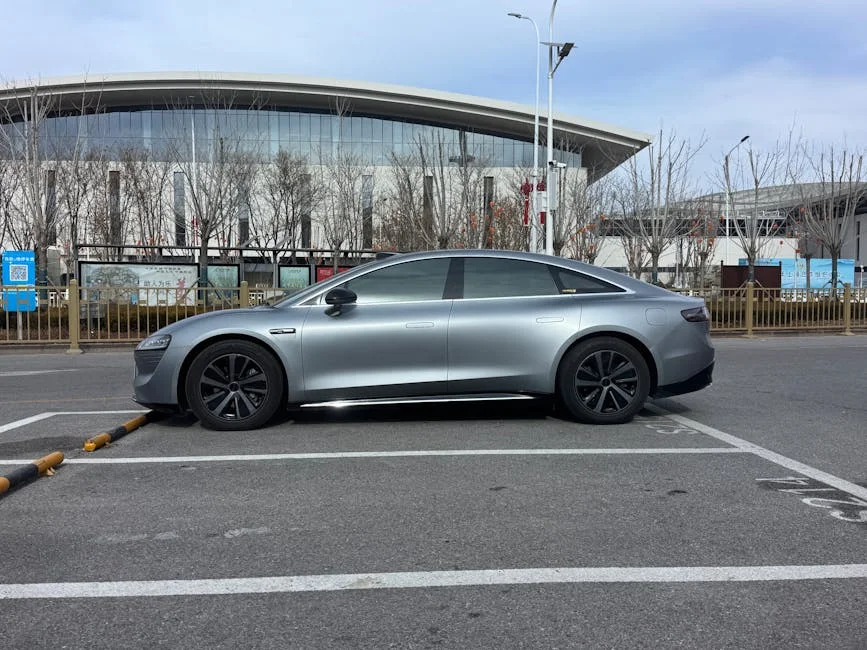
Electric vehicles accounted for a significant portion of the market share, with sales figures reflecting a growing trend among European consumers. The success of EVs in the EU market is attributed to both governmental incentives and improved technology that offers longer ranges and faster charging times.
Impact of March Sales Surge
The increase in car sales during March has broader implications for the automotive industry and environmental policies. It demonstrates a tangible shift in market dynamics, encouraging traditional automakers to invest more heavily in EV development. This trend is expected to influence future policy making and investment in infrastructure to support electric vehicles, such as charging stations.
Furthermore, the success of EV sales in March could serve as a model for other regions, including the United States, which is observing these developments closely. Channels Television has analyzed this trend, noting that the March impact on the United States could lead to similar shifts in consumer behavior and policy adjustments.
Regional Developments and Analysis
Channels Television developments explained that the EU's focus on reducing emissions aligns with global efforts to combat climate change. The network's analysis suggests that such progress in the EU could affect automotive strategies in the United States, where similar environmental goals are being pursued.
Auto manufacturers are encouraged to adapt to these changes by increasing their EV offerings and expanding into new markets. This could potentially alter competitive dynamics within the industry as companies vie for leadership in the burgeoning EV sector.
The Road Ahead


Looking forward, the EU's continued support for electric vehicles is expected to sustain this momentum. The ongoing developments will be closely monitored by industry stakeholders and policymakers. The next few months could see further growth in the EV market, with potential announcements related to infrastructure enhancements or new legislative measures.
As the world increasingly pivots towards sustainable solutions, the trends set by the EU's March car sales surge will likely influence global automotive strategies. Stakeholders should watch for regulatory changes and technological advancements that could shape the future landscape of the automotive industry.
See Also
- Musk Files Reveal Microsoft Execs' Quiet Doubts About OpenAI
- Former SA Steel Mills Owner Mohamed Detained on Tuesday — Sources Confirm