Venezuela's women's football team, known as Vinotinto femenina, secured a decisive 8-0 victory over Bolivia in a high-stakes match on Monday, marking a significant moment in regional football. The game, held in Caracas, was part of the 2023 South American Women's Football Championship qualifiers. The win highlights Venezuela's growing strength in women's football and raises questions about the broader implications for the region's sporting landscape.
Match Details and Key Performances
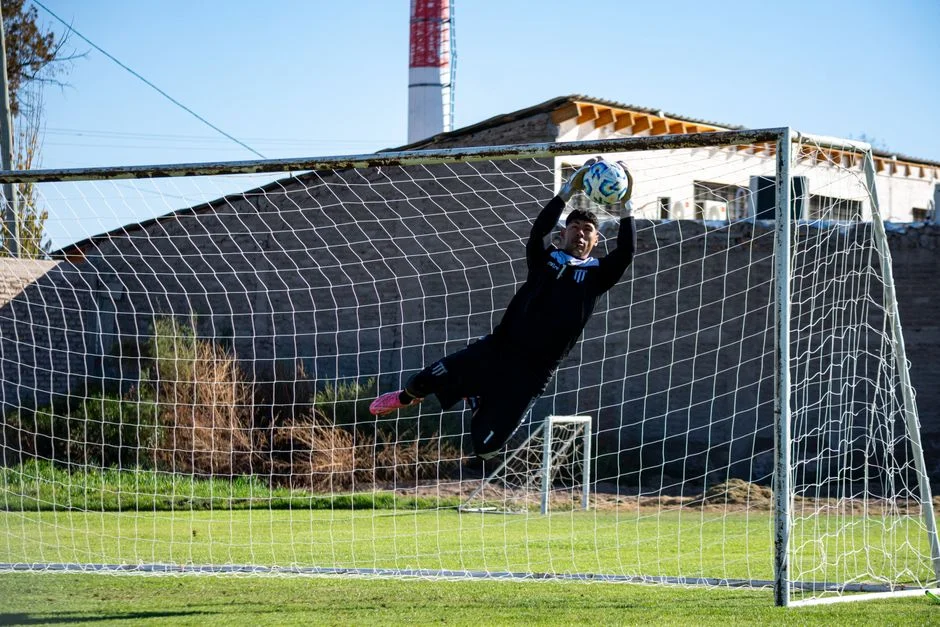
The match saw Venezuela's forward line dominate from the start, with captain Yuliet Cruz scoring twice and setting up two more goals. The team's defensive unit, led by goalkeeper Stephanie Mendoza, maintained a clean sheet, showcasing their growing cohesion. Bolivia, despite their strong presence in the tournament, struggled to find a rhythm and were left frustrated by the relentless attacks.
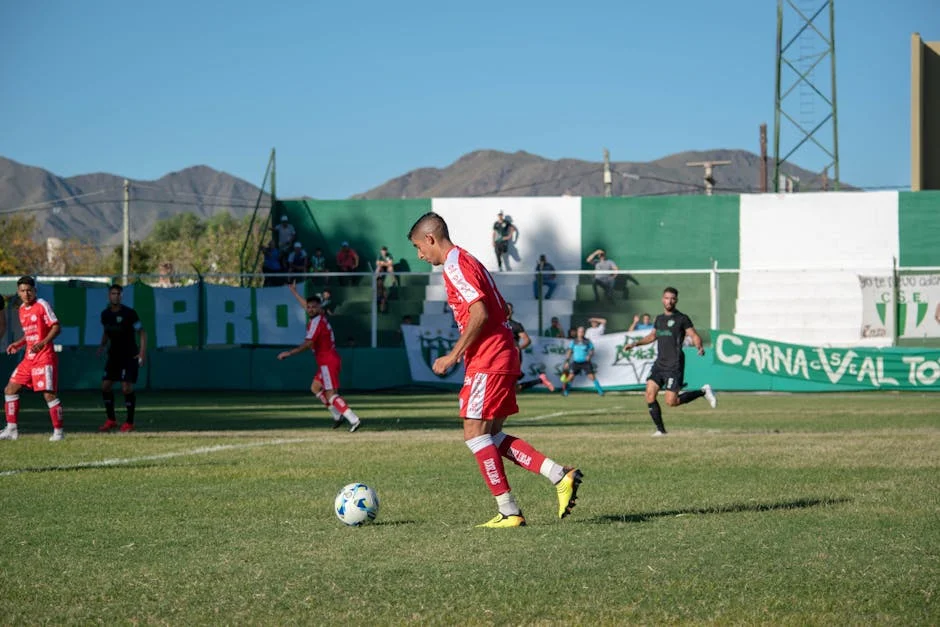
The game was played in front of a crowd of over 5,000 fans at the Estadio Nacional de Venezuela, a venue that has become a symbol of national pride for the team. The victory not only boosted Venezuela's standing in the group stage but also highlighted the progress made in women's football development under the country's football federation, the Federación Venezolana de Fútbol (FVF).
Context and Regional Implications
This win comes amid a broader push by Venezuela to elevate its women's football program, which has historically lagged behind regional powerhouses like Brazil and Argentina. The FVF has invested in grassroots development and coaching programs, with the aim of improving the national team's performance on the international stage.
The match also drew attention from the United States, where analysts have been closely monitoring the development of South American women's football. The success of teams like Venezuela could influence future participation in international tournaments and potentially impact the U.S. women's football landscape through increased competition and collaboration.
Impact on Venezuela's Football Landscape


The 8-0 win is a clear indicator of the progress being made in Venezuela's women's football sector. It has been a key milestone in the country's efforts to build a competitive national team. The victory also served as a morale booster for players and coaches, reinforcing the belief that Venezuela can challenge traditional football powerhouses in the region.
However, the win has also sparked discussions about the challenges still facing women's football in Venezuela. Despite the success on the field, the sport continues to face issues such as limited funding, lack of media coverage, and infrastructural constraints. The FVF has acknowledged these challenges and has pledged to increase investment in women's football as part of its long-term strategy.
Challenges and Opportunities
While the victory is a positive step, the road ahead remains challenging. Limited financial resources and a lack of professional opportunities for female players remain major hurdles. The FVF has acknowledged that more support is needed from both the government and private sector to ensure the sustainability of women's football in the country.
On the other hand, the win has generated renewed interest in women's football among fans and media. Local television networks have begun to cover more matches, and social media platforms have seen a surge in engagement. This increased visibility could lead to greater sponsorship opportunities and improved conditions for female athletes.
What to Watch Next
Venezuela's next match in the qualifiers is scheduled for next month, where they will face Colombia. The result of that game could determine their position in the group and their chances of advancing to the next stage. Fans and analysts will be closely watching how the team performs, particularly in terms of maintaining their high level of play and addressing any weaknesses that may have emerged during the Bolivia match.
The U.S. football community will also be keeping a close eye on the developments in Venezuela and other South American nations. As women's football continues to grow across the region, the potential for greater collaboration and competition with U.S. teams remains a key point of interest.
See Also
- Tuesday's Daily Lotto Results Trigger Nationwide Excitement — $5 Million Jackpot Hit
- Oil Prices Soar as Tech Giants Face New Challenges
Fans and analysts will be closely watching how the team performs, particularly in terms of maintaining their high level of play and addressing any weaknesses that may have emerged during the Bolivia match. Limited financial resources and a lack of professional opportunities for female players remain major hurdles.