South Korea launched a large-scale search for an escaped wolf after howl recordings and an AI-generated image circulated online, sparking public concern. The incident, which began in Neukgu, a district in Gyeonggi Province, has drawn the attention of local authorities and residents, who fear the animal may pose a threat to the community. The South Korean Ministry of Environment confirmed the investigation, emphasizing the need for vigilance as officials work to locate the animal.
Howl Recordings and AI Image Trigger Alarm
Residents in Neukgu reported hearing strange howls at night, which led to widespread speculation about the presence of a wild wolf in the area. The mystery deepened when an AI-generated image of a wolf appeared on social media, further fueling anxiety. Officials initially dismissed the claims, but the growing public concern forced them to take the matter seriously. The image, created using deep learning algorithms, was shared widely on platforms like KakaoTalk and Naver, amplifying the sense of urgency.
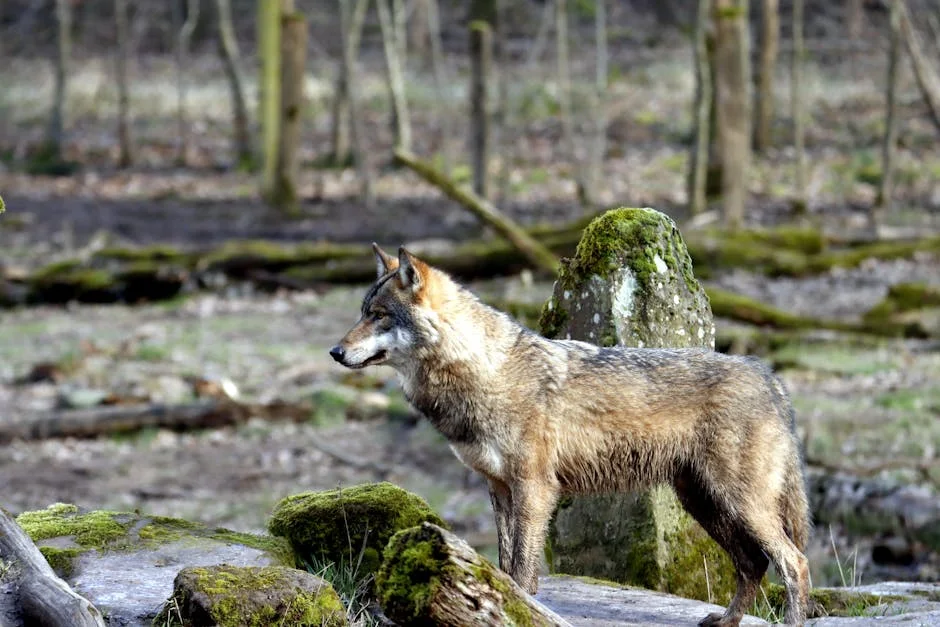
The South Korean Wildlife Conservation Society, a non-profit organisation dedicated to protecting native species, issued a statement urging the public not to panic. "While it's unusual to hear a wolf howl in this region, it's important to distinguish between real sightings and digital content," the group said. However, the combination of the recordings and the image made it difficult for authorities to ignore the public's fears.
Historical Context of Wolves in South Korea
Wolves were once common across the Korean Peninsula but were nearly driven to extinction due to habitat loss and hunting. The last confirmed wild wolf in South Korea was recorded in the 1980s, and the species has since been considered extinct in the region. Conservation efforts have focused on reintroducing the animal, but these have faced challenges due to limited natural habitats and human-wildlife conflict.
The current situation has reignited discussions about the possibility of a wolf population surviving in remote areas. Experts suggest that if a wolf were indeed present, it would likely be in a secluded forest or mountain region. The South Korean Ministry of Environment has reiterated that there is no evidence of a wild wolf population in the country, but the recent events have prompted a review of wildlife monitoring protocols.
Public Reaction and Government Response


Local residents in Neukgu have expressed mixed reactions to the situation. Some have called for increased patrols and stricter monitoring of the area, while others remain skeptical about the authenticity of the howl recordings and AI image. A survey conducted by a local news outlet found that 68% of respondents believed the wolf was real, while 32% thought it was a hoax.
The government has deployed additional rangers and set up surveillance cameras in suspected areas. "We are taking all reports seriously and are working to ensure the safety of our citizens," said a spokesperson for the Ministry of Environment. The agency has also encouraged the public to report any suspicious activity, providing a dedicated hotline for such concerns.
Wildlife Monitoring and Technological Advancements
The incident highlights the growing role of technology in wildlife monitoring. AI tools are increasingly being used to identify and track animals, but their accuracy remains a topic of debate. In this case, the AI-generated image raised questions about the potential for misinformation to spread rapidly online.
Conservationists are now calling for a more robust system of verification before any wildlife-related alerts are issued. "We need to balance the use of technology with traditional fieldwork," said Dr. Lee Min-jun, a wildlife biologist at Seoul National University. "This incident shows how easily false information can influence public perception."
What to Watch Next
Authorities are expected to release an update on the search within the next 48 hours. If no wolf is found, the incident may serve as a case study for improving wildlife monitoring and public communication strategies. The government is also considering a review of its approach to handling digital content related to wildlife, with a focus on preventing similar incidents in the future.
See Also
- Japan Earthquake Triggers Tsunami Warning Off Northeast Coast
- BJP Accuses YSRCP of 'Target Tirumala' Agenda - What It Means for Markets
The agency has also encouraged the public to report any suspicious activity, providing a dedicated hotline for such concerns. Wildlife Monitoring and Technological Advancements The incident highlights the growing role of technology in wildlife monitoring.