For centuries, the coastal communities of Gabon have turned to an ancient animist tradition to safeguard their shores. In a recent development, local worshippers in Pointe, a small town on Gabon’s Atlantic coast, have reignited the ritual, drawing attention to the cultural and environmental significance of their practices. The event, led by a local spiritual leader named Denis, has sparked both pride and debate among residents and officials.
Reviving an Ancient Practice
Denis, a respected figure in the community, has been at the forefront of the revival. For decades, the ritual—known locally as "Mbandaka"—has been a cornerstone of spiritual and ecological harmony. The ceremony involves offerings to ancestral spirits believed to govern the sea, a practice that has been passed down through generations. This year, the event took place on 15 April, drawing hundreds of participants to the beach at Pointe.
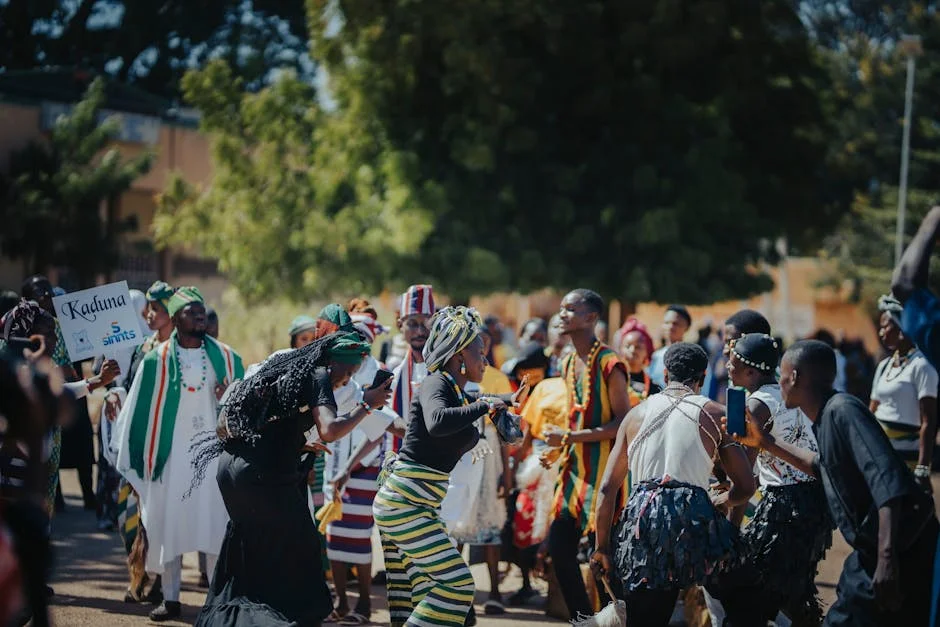
“The ocean has always been our lifeblood,” Denis explained. “Through Mbandaka, we seek balance between nature and our daily lives.” The ritual includes the burning of specific herbs, the placement of carved wooden totems, and a communal feast. Local elders say the tradition has helped maintain the health of the coastline, preventing erosion and ensuring fish populations remain stable.
Why the Tradition Matters
The practice is more than cultural—it is deeply intertwined with environmental stewardship. In a country where over 80% of the land is covered by dense rainforest and the coastline is vital for both tourism and fishing, the ritual is seen as a form of sustainable management. Scientists and environmentalists have noted that the community’s approach aligns with modern conservation principles, even if it is rooted in spiritual beliefs.
“This isn’t just about faith,” said Dr. Amina Mboum, a marine biologist based in Libreville. “The community’s long-term relationship with the ocean has led to practices that protect biodiversity. It’s a model that could inspire modern conservation efforts.”
Modern Challenges and Traditional Solutions


Despite its historical significance, the Mbandaka ritual has faced challenges in recent years. Climate change, rising sea levels, and industrial fishing have threatened the delicate balance the tradition seeks to maintain. In 2022, a study by the Gabonese Ministry of Environment found that coastal erosion had increased by 12% over the past decade, prompting renewed interest in traditional methods of protection.
“We are seeing a shift,” said Marie Ndong, a local official from the Ministry of Culture. “More young people are reconnecting with their heritage, and there is a growing recognition that these practices can complement modern science.”
Community Response and Government Interest
The revival of the ritual has been met with mixed reactions. Some view it as a necessary cultural renaissance, while others question its relevance in a rapidly modernising society. However, the event has also caught the attention of the government, which is exploring ways to integrate traditional knowledge into national environmental policies.
“We want to ensure that these practices are not lost,” said Ndong. “They offer unique insights that can help us address today’s environmental challenges.”
Looking Ahead
As the ceremony continues to gain visibility, the future of the Mbandaka ritual remains uncertain. While some hope it will be formally recognised as part of Gabon’s cultural heritage, others worry about the pressures of modernisation. The next major event is scheduled for April 2025, and local leaders are already planning to invite environmental experts and government officials to observe the ritual.
For now, the people of Pointe remain steadfast in their belief that the ocean’s protection lies in the hands of their ancestors. As Denis puts it, “We are not just preserving a tradition—we are protecting our future.”