Singapore emerged as the dominant force in the Southeast Asian cruise industry in 2024, accounting for nearly half of all passenger traffic, according to a report by the Asia Cruise Association. The sector generated $12.7 billion in revenue, with the city-state serving as a key hub for regional and international voyages. The growth underscores Singapore's role as a critical gateway for cruise operators expanding into the Asia-Pacific market.
Singapore's Central Role in Cruise Growth
Singapore's maritime infrastructure and strategic location have made it a preferred embarkation point for cruise lines targeting the growing middle class in Asia. The Port of Singapore handled over 4.2 million passengers in 2024, a 12% increase from the previous year, according to the Maritime and Port Authority. This growth is driven by demand from Chinese, Japanese, and South Korean travelers, who increasingly opt for cruises as a way to explore Southeast Asia’s diverse destinations.
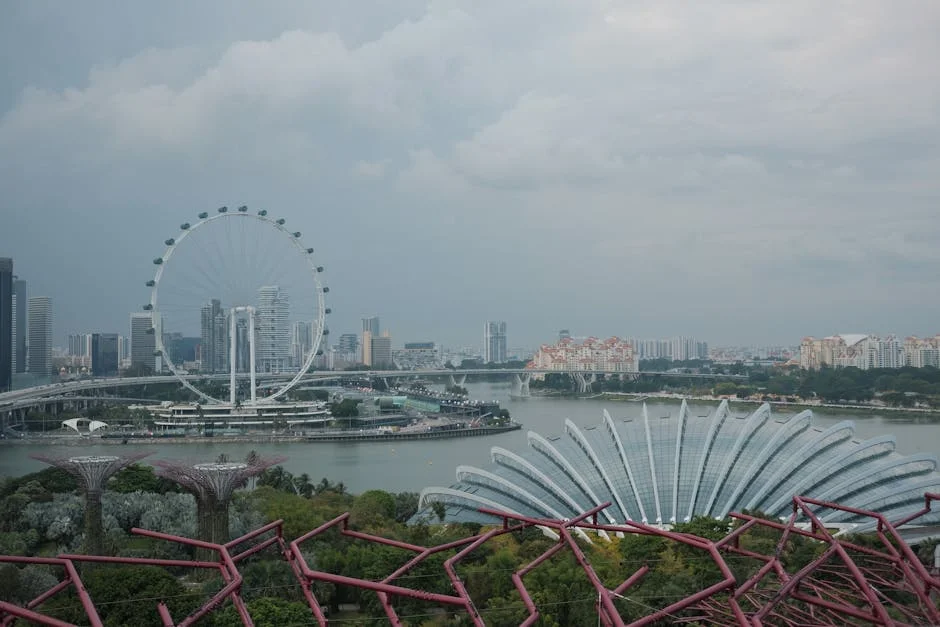
“Singapore’s position as a global maritime hub has allowed it to capture a significant share of the cruise market,” said Tan Lian Hoe, a senior analyst at the Singapore Economic Development Board. “Its well-developed ports, efficient logistics, and connectivity to major Asian cities make it a natural choice for cruise operators.”
Regional Expansion and Passenger Trends
The surge in cruise activity is part of a broader trend of tourism growth across Southeast Asia. Countries such as Malaysia, Thailand, and the Philippines have also seen increased cruise traffic, with operators like Royal Caribbean and Carnival Corporation expanding their itineraries to include more Asian ports. However, Singapore remains the most significant contributor to the region’s cruise revenue.
Passenger numbers reflect a shift in travel preferences. A 2024 survey by the Asia Cruise Association found that 68% of travelers from the region prefer cruises that include multiple destinations, with Singapore often serving as the starting point. This trend is supported by the rise of luxury cruise lines offering tailored experiences for Asian travelers.
Economic and Geopolitical Implications


The growth of the cruise industry has economic implications for Singapore and the broader region. The sector directly supports thousands of jobs in hospitality, transportation, and retail, while also boosting ancillary businesses such as duty-free shopping and entertainment. The Singapore Tourism Board reported that cruise-related spending contributed $2.3 billion to the city’s economy in 2024.
From a geopolitical perspective, the expansion of cruise activity highlights the growing economic interdependence between Asia and global markets. As more U.S. and European cruise lines establish a presence in the region, the U.S. travel and tourism sector may see increased opportunities for collaboration and investment.
Challenges and Opportunities
Despite the positive trends, the industry faces challenges, including environmental concerns and the need for sustainable practices. In response, Singapore has introduced green port initiatives aimed at reducing carbon emissions from cruise ships. These efforts align with global sustainability goals and could set a precedent for other regional ports.
Operators are also navigating regulatory changes and evolving consumer expectations. A recent report by the Asian Cruise Council highlighted the need for better infrastructure and improved customer experiences to maintain the momentum of growth. The coming year will be critical for determining how effectively the region can sustain its cruise industry expansion.
Looking Ahead: What to Watch
Industry experts predict continued growth in the cruise sector, with Singapore likely to maintain its leadership role. Key developments to watch include the launch of new cruise routes, the implementation of green technologies, and the impact of global economic shifts on travel demand. By 2025, the Asia cruise market is expected to surpass $15 billion in revenue, with Singapore playing a central role in shaping the future of the industry.
See Also
- Google's AI Overviews Face Scrutiny in U.S. Courts
- Queensland Police Sued Over Racial Slur 'Perverts' During Driver Probe
Challenges and Opportunities Despite the positive trends, the industry faces challenges, including environmental concerns and the need for sustainable practices. Key developments to watch include the launch of new cruise routes, the implementation of green technologies, and the impact of global economic shifts on travel demand.
What is the latest news about singapore drives asia cruise revenue surge to 127b?
Why does this matter for economy-business?
What are the key facts about singapore drives asia cruise revenue surge to 127b?