A Bolivia-bound jet vanished from radar screens over Cochabamba after two hours circling the city, sparking an emergency response and raising questions about the aircraft's final moments. The incident, which occurred on Tuesday, involved a regional flight operated by a private charter company, with no immediate word on the number of passengers or crew on board. The aircraft, identified as a Beechcraft 1900, had been monitored by Flightradar24, a real-time flight tracking service, before losing contact just before 10 a.m. local time.
Flight Details and Initial Reports
The aircraft, registered as N48117, had departed from La Paz, Bolivia, at 7:45 a.m. and was en route to Cochabamba, a city in central Bolivia. According to Flightradar24 data, the plane circled the area for two hours before descending rapidly. The sudden change in altitude and loss of communication prompted air traffic control to initiate a search and rescue operation. No distress signals were reported, and the cause of the disappearance remains under investigation.
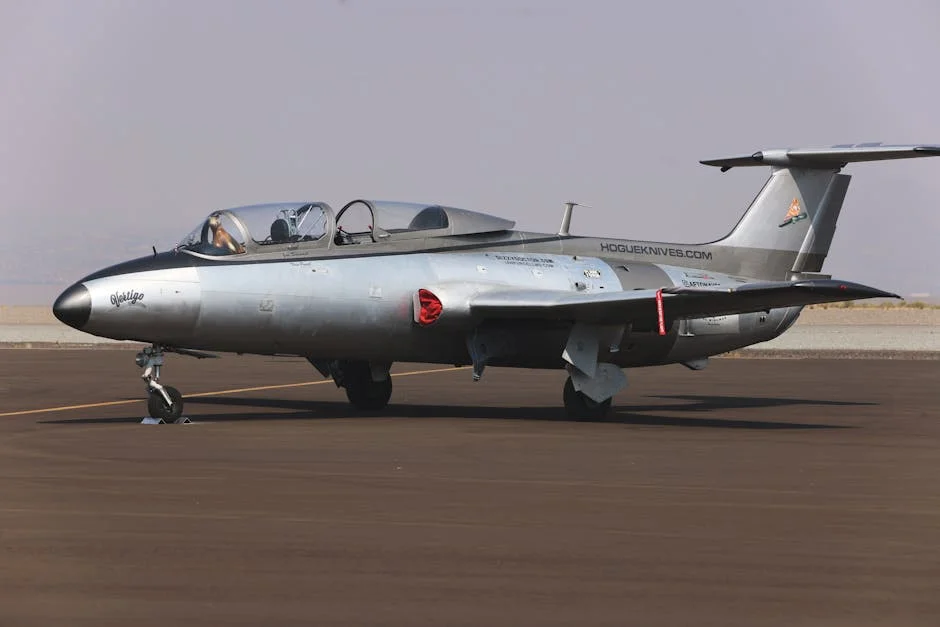
Local authorities, including the Bolivian Civil Aviation Authority, confirmed the incident and stated that search teams were deployed to the area. The exact location of the crash is still unknown, as the plane's transponder stopped transmitting, making it difficult to pinpoint where it went down. "We are working with all available resources to locate the aircraft and determine what happened," said a spokesperson for the authority.
Historical Context and Safety Concerns
Cochabamba, a city of around 650,000 people, has seen several aviation incidents in the past, though none as severe as this. The region’s mountainous terrain and unpredictable weather patterns have long posed challenges for pilots. In 2019, a similar incident occurred when a small plane crashed near the city, killing all 14 people on board. The cause was later attributed to pilot error and poor visibility.
Aviation experts have raised concerns about the safety of regional flights in Bolivia, where infrastructure and maintenance standards vary. The country’s airspace is heavily regulated, but some operators, particularly private charter companies, may not adhere to the same strict protocols as major airlines. The current incident has reignited calls for stricter oversight of private aviation in the region.
Impact on Regional Aviation


The crash has already led to temporary flight restrictions over Cochabamba and surrounding areas. Air traffic control has rerouted several commercial and private flights to avoid the region while the investigation continues. Local airlines have also been advised to review their procedures, particularly for flights operating in mountainous regions.
The incident has also drawn attention from the United States, where some of the aircraft’s operators are based. The U.S. Federal Aviation Administration (FAA) has expressed concern over the safety of international charter flights and may conduct a review of its own regulations. "We are monitoring the situation closely and will take appropriate action if necessary," said a FAA spokesperson.
Search Efforts and Next Steps
Search teams, including local police, military personnel, and volunteer groups, have been scouring the area for any signs of the aircraft. Helicopters and ground vehicles are being used to cover the rugged terrain. The search is expected to continue for at least 48 hours, with no signs of the plane yet found.
The Bolivian government has also requested assistance from neighboring countries, including Argentina and Peru, which have experience in mountain rescue operations. The search is complicated by the region’s remote location and the lack of clear signals from the aircraft. "This is a difficult and dangerous mission, but we will not stop until we find the plane," said a military official.
What to Watch Next
The next 48 hours will be critical in determining the cause of the crash and whether any survivors are still in the area. The Bolivian Civil Aviation Authority has set a deadline for the initial report, which is expected by Friday. If no wreckage is found, the search may expand to nearby regions, including the Andes Mountains.
Meanwhile, the incident is likely to prompt a broader review of safety protocols for regional flights, particularly those operated by private companies. The U.S. FAA and other international aviation bodies may also weigh in with recommendations for improved oversight. For now, the focus remains on the search and the hope that the aircraft and its occupants are found safe.
Frequently Asked Questions
What is the latest news about bolivia jet crashes near cochabamba after two hours in circles?
A Bolivia-bound jet vanished from radar screens over Cochabamba after two hours circling the city, sparking an emergency response and raising questions about the aircraft's final moments.
Why does this matter for economy-business?
The aircraft, identified as a Beechcraft 1900, had been monitored by Flightradar24, a real-time flight tracking service, before losing contact just before 10 a.m.
What are the key facts about bolivia jet crashes near cochabamba after two hours in circles?
and was en route to Cochabamba, a city in central Bolivia.