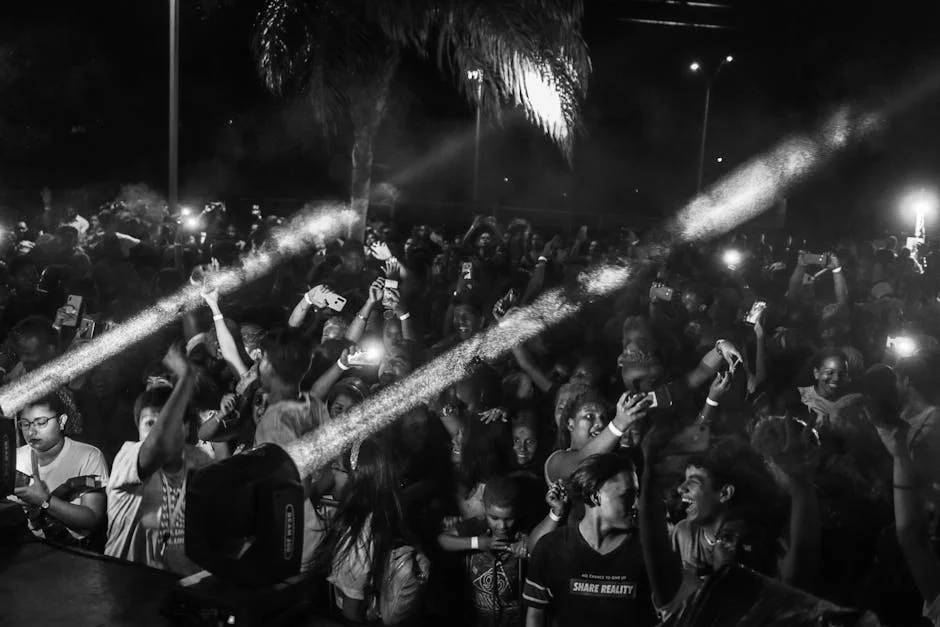
Singapore’s street performers are navigating a shifting landscape as the city-state expands permitted busking locations but enforces stricter rules, leaving many artists grappling with smaller audiences and increased administrative hurdles. The National Parks Board (NParks) has approved new spots for busking across the city, but performers report a noticeable decline in foot traffic and a growing sense of regulatory pressure.
Expanded Locations, Diminished Crowds
Since early 2024, NParks has introduced 10 new designated busking zones in areas like Orchard Road and Marina Bay, aiming to accommodate the rising number of street performers. However, artists say the new locations are often less trafficked than traditional spots such as the Singapore River or Bugis Junction. “The crowds have dropped by at least 40%,” said Lim Wei Jie, a violinist who has performed in Singapore for over a decade. “People are more spread out now, and it’s harder to attract attention.”
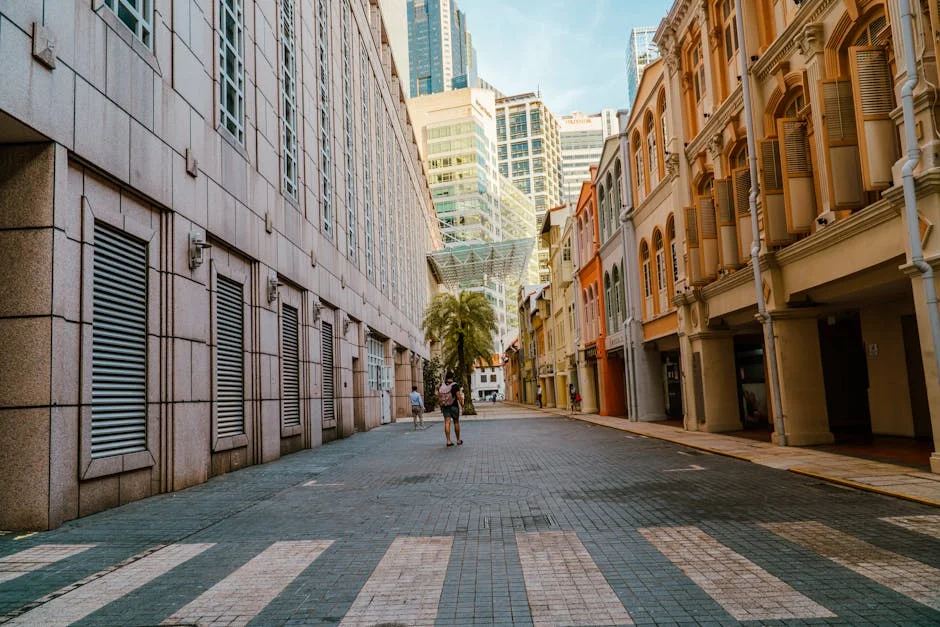
The changes come amid a broader effort by the government to balance public space usage with commercial interests. While the city remains a hub for street art and performance, the expansion of retail and tourism infrastructure has reduced the visibility of traditional busking areas. A 2023 survey by the Singapore Arts Council found that 68% of performers reported lower earnings compared to the previous year, with many citing reduced foot traffic as the primary factor.
Regulatory Challenges
Alongside the shift in locations, buskers now face stricter licensing and performance rules. NParks requires all performers to apply for a permit, which includes background checks and adherence to noise limits. The process, while intended to ensure public order, has been criticized as cumbersome by some artists. “It’s a lot of paperwork for something that’s supposed to be spontaneous,” said Aisha Khan, a street dancer who moved to Singapore from Malaysia in 2022.
The ministry also introduced a “no performance” zone policy, banning busking in areas with high foot traffic during peak hours. While this aims to prevent overcrowding, it has led to frustration among performers who feel their ability to connect with audiences is being curtailed. “We’re being pushed into corners where no one wants to stop,” said Lim. “It’s like we’re being hidden, not celebrated.”
Community Response and Advocacy
Local arts groups have called for a more flexible approach, arguing that street performance is a vital part of Singapore’s cultural identity. The Singapore Street Performing Association (SSPA), a collective of buskers, has launched a petition urging the government to reconsider the restrictions. “We’re not asking for special treatment,” said SSPA spokesperson David Tan. “We just want to perform without being treated like a nuisance.”
The association has also partnered with local universities to conduct research on the economic and cultural impact of street performance. Preliminary findings suggest that buskers contribute over S$12 million annually to the city’s informal economy, with many artists relying on tips to support themselves.
What’s Next for Singapore’s Buskers?

As the city continues to evolve, the future of street performance in Singapore remains uncertain. NParks has indicated that it will review the busking policy in early 2025, but performers are already preparing for potential changes. “We’re keeping our fingers crossed,” said Aisha. “But we also know we have to adapt.”
The coming months will be critical for the busking community. With the government set to announce its next steps in the spring, artists are urging policymakers to consider the cultural and economic value of street performance. For now, they continue to play, sing, and dance, hoping their voices will not be silenced by the city’s relentless march toward modernization.