Mozambican medical trainees at Hospital Central in Beira have been on strike for over a week, demanding payment of a 10-month salary delay. The protest, led by trainees from the University of Health Sciences in Maputo, has disrupted hospital operations and raised concerns about the country’s healthcare system. The Ministry of Health has yet to provide a clear resolution, leaving staff and patients in limbo.
Strikers Demand Immediate Payment
The trainees, who are part of a national medical training program, have been without pay since January 2024. They claim the government has failed to meet its financial obligations, despite repeated assurances. “We are not asking for more than what is due,” said Ana Costa, a senior trainee at the hospital. “We are doctors in training, but we are being treated like beggars.”
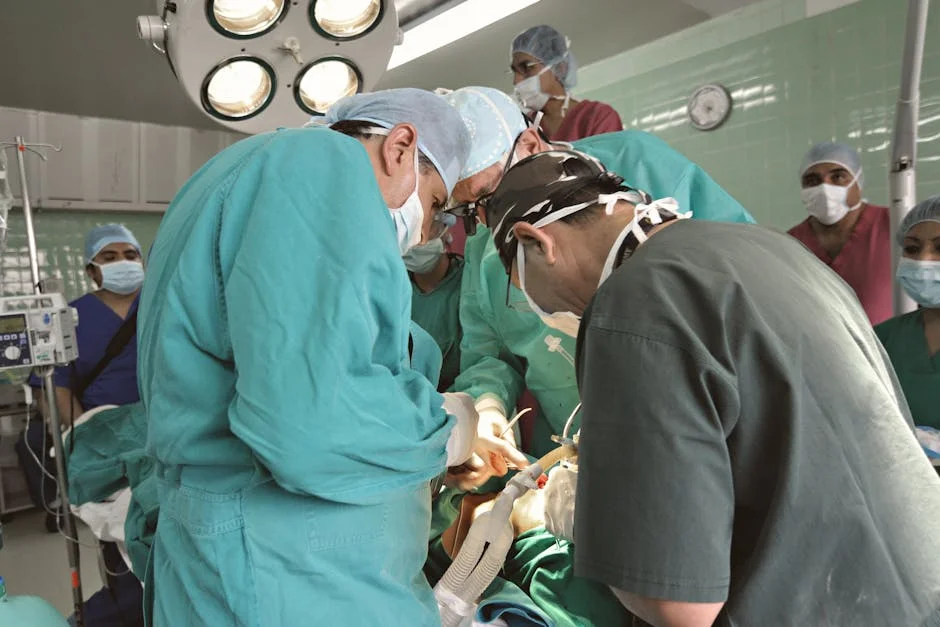
The strike has caused significant disruptions at Hospital Central, one of the largest public hospitals in the country. With many junior doctors absent, patient care has suffered, and emergency services have been stretched thin. Local health officials have warned that the situation could worsen if the dispute is not resolved soon.
Context of the Crisis
The salary delay is part of a broader financial crisis affecting Mozambique’s public sector. The country, which has been grappling with economic instability and debt, has struggled to fund essential services, including healthcare. In 2023, the government announced a 15% cut to public sector wages, citing budget constraints. However, trainees argue that their situation is different, as they are in the final stages of their medical training and are expected to take on full roles upon graduation.
Beira, the city where Hospital Central is located, has also been hit by a series of challenges, including infrastructure failures and limited access to medical resources. The health crisis has drawn attention from international organizations, which have called for greater investment in the country’s healthcare system.
Government Response and Public Reaction


The Ministry of Health has acknowledged the strike and pledged to address the issue. In a statement, the ministry said it is “working closely with the University of Health Sciences to resolve the payment backlog.” However, no timeline has been provided, and trainees remain skeptical. “We have heard promises before,” said another trainee, Paulo Mendes. “We need action, not words.”
The public has largely supported the strike, with many expressing frustration over the government’s inability to meet its obligations. Social media has been flooded with messages of solidarity, and local unions have joined the call for immediate payment. “This is not just about money,” said one resident. “It’s about respect for the people who are trying to save lives.”
Implications for Healthcare in Mozambique
The strike highlights the fragility of Mozambique’s healthcare system, which has been under pressure for years. The country has one of the lowest doctor-to-patient ratios in the world, and the loss of trainees has exacerbated the problem. Without a resolution, the situation could lead to a further decline in the quality of care, especially in regions like Beira, where healthcare access is already limited.
International observers have also raised concerns. The World Health Organization has warned that the crisis could have long-term effects on the country’s public health infrastructure. “This is a wake-up call,” said Dr. Maria Almeida, a health policy analyst. “If the government does not act, the consequences will be felt for years to come.”
What Comes Next?
With the strike showing no signs of ending, the next few weeks will be critical. The Ministry of Health is expected to meet with trainees and unions to negotiate a solution. Meanwhile, hospital administrators are preparing for further disruptions, including the possibility of transferring some patients to other facilities. The government has also been urged to accelerate its efforts to secure international funding to support the healthcare sector.
For now, the focus remains on resolving the payment issue. As one trainee put it, “We are not just fighting for money. We are fighting for the future of healthcare in Mozambique.”
Frequently Asked Questions
What is the latest news about mozambican medical trainees strike over 10month salary delay?
Mozambican medical trainees at Hospital Central in Beira have been on strike for over a week, demanding payment of a 10-month salary delay.
Why does this matter for health-medicine?
The Ministry of Health has yet to provide a clear resolution, leaving staff and patients in limbo.
What are the key facts about mozambican medical trainees strike over 10month salary delay?
They claim the government has failed to meet its financial obligations, despite repeated assurances.