South Africa's Border Management Authority (BMA) processed over 1.2 million travellers during the 2026 Easter period, according to Commissioner Dr Michael Masiapato. The figures, released on Monday, highlight the country's continued role as a key transit point for international and regional travel. The BMA, which oversees border control, reported a 15% increase in passenger numbers compared to the same period in 2025, reflecting growing demand for travel in the region.
Record Numbers Amid Economic and Tourism Growth
The 1.2 million travellers included both international and domestic passengers, with a significant portion entering through major border posts such as Beitbridge and Musina. Commissioner Dr Masiapato attributed the rise to increased tourism and improved economic conditions in South Africa. "This surge reflects the confidence of visitors in our infrastructure and the stability of our borders," he said in a statement.
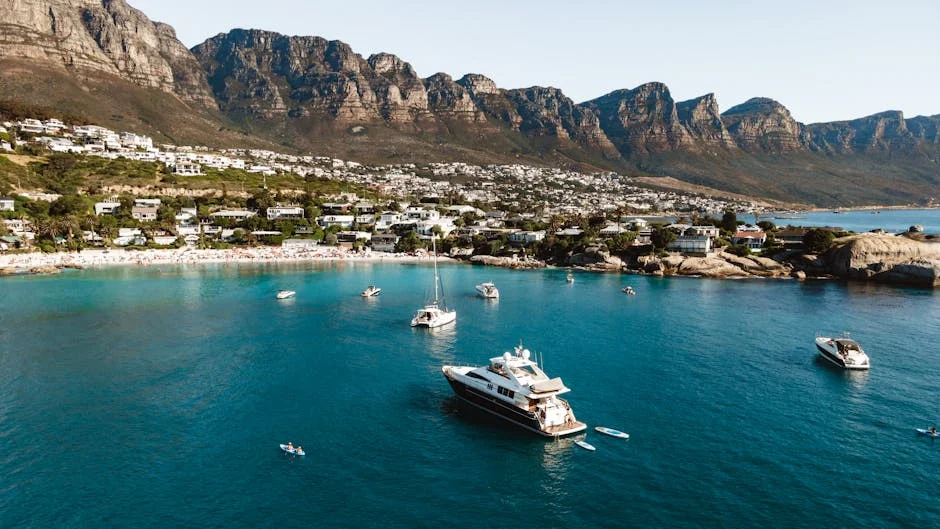
South Africa's tourism sector has been recovering since the pandemic, with international arrivals reaching pre-2019 levels by 2025. The Easter period, a peak travel season, saw a particular rise in visitors from the United States and Europe, who were drawn by the country's natural attractions and cultural heritage. The BMA's data shows that 38% of the 1.2 million passengers were international, with the remaining 62% being domestic.
Infrastructure and Security Challenges
The surge in travel placed additional pressure on border infrastructure, with some checkpoints experiencing delays. Dr Masiapato acknowledged these challenges, stating that the BMA is working to upgrade facilities and improve processing times. "We are investing in new technology and training to ensure that our operations remain efficient and secure," he said.
Security remains a key concern, particularly at the country's land borders. The BMA has stepped up patrols and implemented new screening procedures to combat smuggling and illegal crossings. In the first quarter of 2026, the BMA reported a 10% decrease in contraband seizures, a figure that officials say reflects improved border control measures.
Regional and International Implications


The increased travel volume has implications beyond South Africa. The country's role as a gateway to the Southern African Development Community (SADC) means that its border management policies affect regional trade and movement. Neighboring countries such as Zimbabwe and Botswana have noted the impact of South Africa's improved border efficiency on cross-border commerce.
For international visitors, particularly from the United States, the BMA's performance is a key factor in travel decisions. A 2026 survey by the South African Tourism Board found that 72% of American tourists cited the efficiency of border checks as a major reason for choosing South Africa as a destination.
Looking Ahead: Preparing for the 2027 Season
The BMA is already planning for the 2027 Easter period, with a focus on expanding capacity and reducing wait times. Dr Masiapato announced the launch of a new digital booking system for border crossings, which will allow travellers to pre-register and bypass long queues. "This initiative is part of our commitment to making travel through South Africa as seamless as possible," he said.
As the country prepares for the next peak season, the BMA will also continue to monitor security and economic trends. The coming months will be critical in determining whether the current momentum in travel and tourism can be sustained. For now, the 2026 Easter period stands as a milestone in South Africa's efforts to balance growth, security, and efficiency at its borders.
What to Watch Next
The BMA's new digital system is set to roll out in early 2027, with a full implementation expected by the end of the year. Travelers and businesses will be closely watching how the system performs during the 2027 Easter period. Meanwhile, Dr Masiapato has indicated that the BMA will continue to refine its strategies to meet the growing demands of international and regional travel.
With the tourism sector showing strong signs of recovery and the BMA making strides in infrastructure and security, the future of border management in South Africa appears to be on a positive trajectory. The coming months will determine whether these efforts translate into sustained growth and improved visitor experiences.