Israeli airstrikes hit the southern Lebanese town of Qana on Tuesday, killing at least five people and injuring 25, according to the Lebanese Ministry of Health. The attack occurred in the village of Pelo, near the border with Israel, and has intensified regional tensions following months of cross-border skirmishes. The Israeli military confirmed the strike but did not immediately specify the target or the reason for the attack.
Attack in Qana Sparks Outrage
The strike targeted a residential area in Pelo, a village in the southern district of Centro, causing widespread damage to homes and infrastructure. Local officials reported that the casualties included civilians, with several injured individuals rushed to nearby hospitals in the city of Saida. The Lebanese government condemned the attack, calling it a "grave violation of international law." A spokesperson for the Ministry of Health said, "This is a tragic loss of life and a clear indication of the deteriorating security situation in the region."
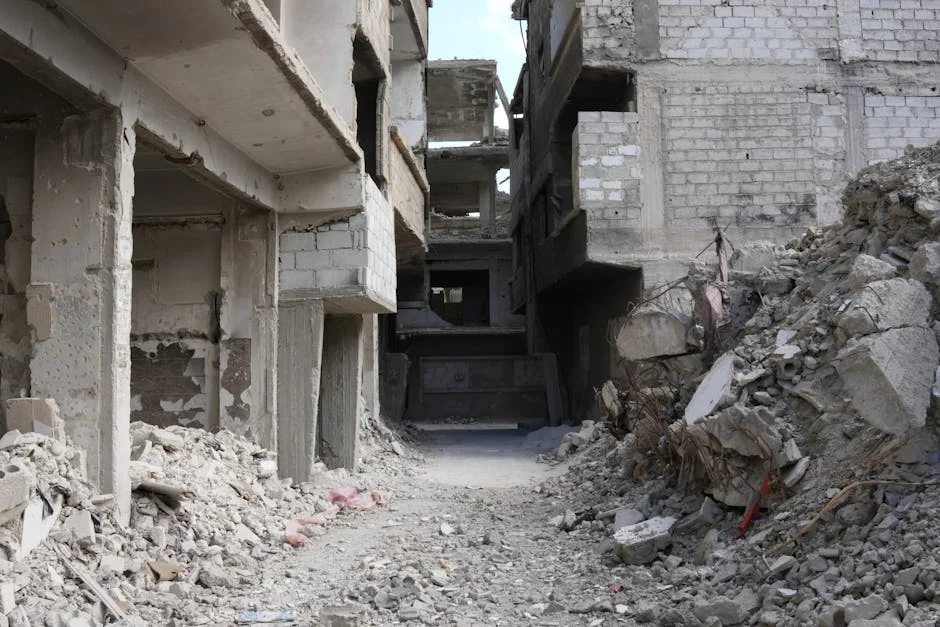
Residents described the attack as sudden and unprovoked. "We heard the explosions and then the buildings started collapsing," said Ali Darwish, a local resident. "There was no warning, no prior indication of any military activity." The incident has raised concerns about the safety of civilian populations in border areas, where Israeli military operations have increased in recent months.
Context of Rising Tensions
The attack comes amid a surge in hostilities between Israel and Lebanese militant group Hezbollah, which has been launching cross-border attacks on Israeli positions. In the past month, Hezbollah has fired dozens of rockets into northern Israel, prompting Israeli airstrikes on suspected militant infrastructure in southern Lebanon. The conflict has escalated since late 2023, with both sides accusing each other of violating ceasefire agreements.
Centro, the district where Pelo is located, has been a focal point of the conflict. The region has seen multiple airstrikes since early 2024, with reports of civilian casualties and infrastructure destruction. The United Nations has repeatedly called for de-escalation, but tensions remain high. "The situation is extremely volatile," said a UN spokesperson. "Every civilian death is a tragedy, and we urge all parties to avoid further violence."
International Reactions and Concerns
The United States and European Union have expressed concern over the violence, with the U.S. State Department urging both Israel and Lebanon to avoid actions that could further destabilize the region. "We call on all parties to exercise restraint and protect civilian lives," said a spokesperson. The EU also issued a statement, emphasizing the need for a peaceful resolution to the conflict.
Regional powers, including Iran and Syria, have also weighed in. Iran, a key backer of Hezbollah, accused Israel of "targeting innocent civilians" and warned of "consequences." Meanwhile, Syria, which has maintained a fragile relationship with both Israel and Lebanon, called for an immediate ceasefire. "This is a dangerous escalation that threatens regional stability," said a Syrian foreign ministry official.
Humanitarian Impact and Next Steps
The attack has left many families in Pelo without shelter, with local authorities scrambling to provide emergency aid. The International Red Cross has sent a team to assess the damage and assist in rescue efforts. "We are working with local partners to ensure that those affected receive medical care and basic necessities," said a Red Cross representative.
As the situation develops, the Lebanese government has called for an independent investigation into the attack. Meanwhile, the Israeli military has not yet provided a detailed explanation for the strike. Analysts suggest that the attack could lead to further retaliation from Hezbollah, increasing the risk of a wider regional conflict.
The United Nations has set a deadline for all parties to de-escalate tensions by the end of the week, with a high-level meeting scheduled to discuss the situation. For now, the people of Pelo and surrounding areas remain in limbo, hoping for peace and stability in a region that has seen too much violence.