Iran’s escalating military actions in the Persian Gulf have triggered a sharp spike in global oil futures prices, with the benchmark Brent crude surging past $112 a barrel on Monday. The surge has raised urgent concerns in the United States, where energy prices are already under pressure from supply chain disruptions and inflation. The U.S. Department of Energy warned that the situation could worsen if tensions continue to escalate, with potential ripple effects on the economy.
Iran’s Military Moves and Oil Market Reactions
Iran’s recent strikes on U.S. military facilities in Iraq and its continued support for proxy groups in the region have intensified fears of a broader regional conflict. These actions have led to a 7.5% rise in the price of Brent crude, the global benchmark, within a week. The surge reflects market anxiety over potential supply disruptions, particularly in the Strait of Hormuz, a critical shipping lane for global oil trade.
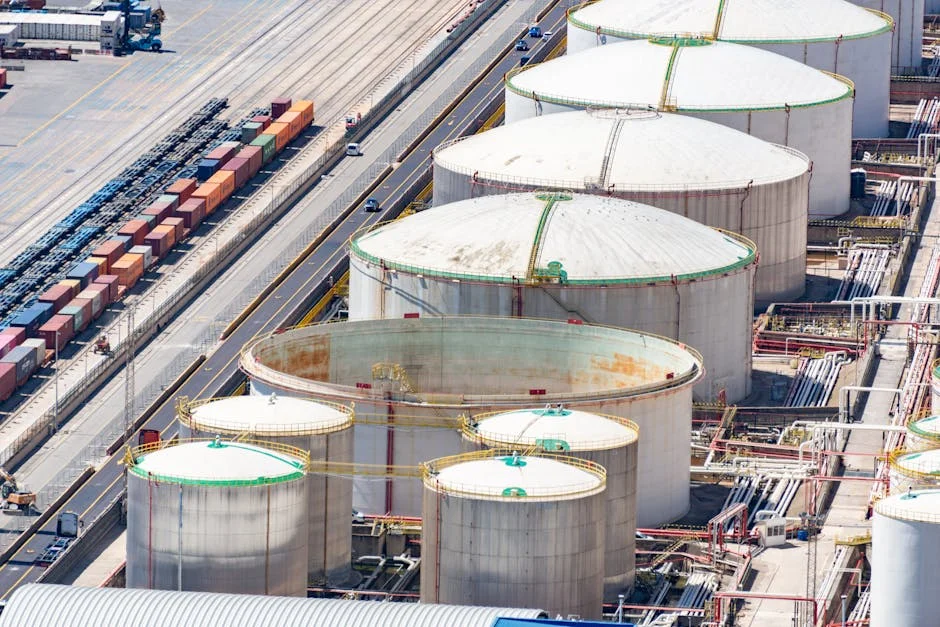
The International Energy Agency (IEA) has warned that any prolonged disruption in the region could lead to a 10% spike in global oil prices. The agency cited the vulnerability of oil infrastructure in the Gulf, with key terminals in Saudi Arabia and the United Arab Emirates already under threat from Iranian-backed attacks.
“The situation is highly volatile,” said IEA spokesperson Emma Carter. “We are closely monitoring the potential impact on global markets and urging all parties to de-escalate tensions.”
Impact on the U.S. Energy Sector
The U.S. energy sector is feeling the pressure as oil futures prices climb. The average price of a gallon of gasoline in the United States has now reached $3.92, a 12% increase from the start of the year. This has added to inflationary pressures, with the U.S. Consumer Price Index (CPI) rising by 0.6% in the last month.
The U.S. Department of Energy has called for increased oil production from domestic sources to offset the global supply crunch. However, the agency acknowledged that U.S. oil output is at a 10-year low, with many independent producers struggling to keep up with demand.
“We are working with OPEC+ to stabilize markets, but the situation in the Middle East is complicating our efforts,” said Energy Secretary Jennifer Granholm. “The U.S. is not immune to the consequences of this crisis.”
Political and Economic Consequences

The oil price surge has reignited political debates in the U.S. Congress over energy policy and national security. Lawmakers from both parties have called for increased investments in renewable energy and strategic oil reserves. Meanwhile, the Federal Reserve has warned that rising energy costs could force it to raise interest rates sooner than expected.
“This is not just an energy issue—it’s an economic and political crisis,” said Senator John McCain, a Republican from Arizona. “We need a coordinated response to protect American consumers and our global standing.”
The administration has also faced criticism for its handling of the Iran situation. Critics argue that the U.S. has been too slow to respond to Iranian aggression, leaving the global oil market vulnerable to manipulation.
“The administration must take a stronger stance,” said former Secretary of State Condoleezza Rice. “A lack of clear policy is only emboldening our adversaries.”
What to Watch Next
The coming weeks will be critical for global oil markets. The U.S. government has pledged to release 10 million barrels from its Strategic Petroleum Reserve by the end of the month, but analysts say this will only provide temporary relief.
Meanwhile, OPEC+ is set to meet on June 15 to discuss production cuts. The group has already announced a 1 million barrel per day reduction in output, but some members are calling for further cuts to stabilize prices.
“The situation remains unpredictable,” said Dr. Amina Jansen, an energy analyst at the Brookings Institution. “Consumers and investors alike should prepare for continued volatility in the coming months.”
The next major test for global markets will be the U.S. Federal Reserve’s June policy meeting. If oil prices continue to rise, the central bank may feel compelled to raise interest rates, which could further slow economic growth. For now, the world is watching closely as the conflict in the Middle East threatens to reshape the global energy landscape.