Iran has accused the United States of making "excessive demands" regarding the strategic Hormuz Strait, escalating tensions in one of the world's most critical maritime corridors. The accusation comes after the U.S. imposed new restrictions on Iranian vessels passing through the strait, a move that Iran claims violates international law and threatens regional stability. The dispute centers on the Strait of Hormuz, a narrow waterway between Iran and the United Arab Emirates, through which nearly 20% of global oil supply passes daily.
Iran's Formal Complaint
The Iranian Ministry of Foreign Affairs issued a statement condemning the U.S. measures, calling them "unilateral and provocative." The ministry specifically cited a U.S. naval directive issued on April 5, which requires all vessels transiting the strait to undergo security checks. Iran argues that this policy is an attempt to control the flow of goods and restrict its access to international trade routes. "The U.S. is not a regional actor, yet it tries to dictate terms to countries in the Gulf," the statement said.
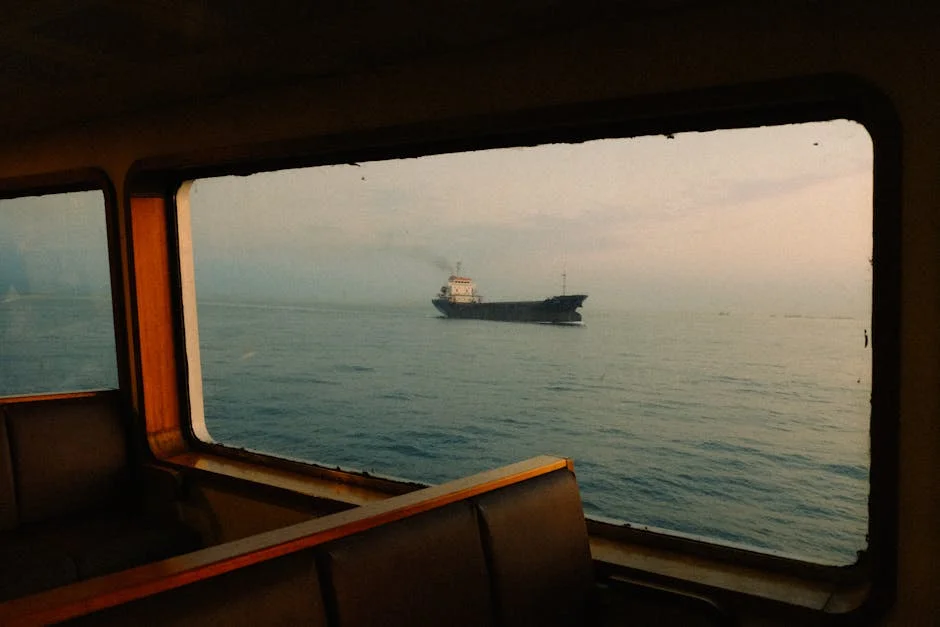
The accusation is not new. In 2021, Iran also criticized U.S. actions in the strait, warning that such moves could lead to a "military escalation." However, the current dispute is more urgent, as the U.S. has reportedly increased its naval presence in the area. The U.S. Fifth Fleet, based in Bahrain, has deployed additional warships and surveillance drones to monitor the strait. This has raised concerns among regional allies, including the UAE and Saudi Arabia, who rely on the waterway for energy exports.
U.S. Justification and Regional Impact
The U.S. government has defended its actions, stating that the new measures are aimed at preventing the smuggling of weapons and ensuring the free flow of commerce. A spokesperson for the U.S. Department of Defense said, "We are committed to maintaining the security of the Strait of Hormuz, which is vital to global energy markets." The U.S. has also reiterated its support for the United Nations' principle of freedom of navigation, which it claims is being undermined by Iran's recent actions.
The implications for global markets are significant. The Strait of Hormuz is a chokepoint for oil tankers, and any disruption could send oil prices soaring. In 2019, a series of attacks on oil tankers in the strait led to a temporary spike in global crude prices. Analysts warn that the current tensions could have similar effects, especially if the situation escalates further. The International Energy Agency (IEA) has already issued a warning about the risks of instability in the region.
Regional Tensions and Diplomatic Efforts


Regional powers are closely monitoring the situation. The United Arab Emirates, which shares the strait with Iran, has called for a "diplomatic resolution" to the dispute. UAE Foreign Minister Sheikh Abdullah bin Zayed Al Nahyan stated in a recent interview that "the security of the strait is a shared responsibility, and all parties must work together to prevent conflict." However, the UAE has also reaffirmed its alliance with the U.S., which has a significant military presence in the country.
Iran, meanwhile, has warned that it will take "measures to protect its sovereignty" if the U.S. continues its current course. The Iranian Revolutionary Guard Corps (IRGC) has already begun conducting naval exercises near the strait, a move that has raised alarms in Washington. The U.S. has responded by increasing its own military readiness, including the deployment of an aircraft carrier group to the region.
What's Next?
The next few weeks will be critical in determining the trajectory of the conflict. A meeting between U.S. and Iranian officials is scheduled for mid-May, though no official details have been released. Meanwhile, the U.S. has indicated it may impose additional sanctions on Iranian entities linked to the maritime sector. The situation remains volatile, with both sides showing little willingness to back down. For now, the Strait of Hormuz remains a flashpoint in an already tense geopolitical landscape.
Readers should watch for updates on military movements, diplomatic talks, and any changes in oil prices that could signal broader economic consequences. The coming weeks may determine whether this dispute leads to a diplomatic resolution or a dangerous escalation.