Aberta, a municipality in Leiria, Portugal, has issued a public safety alert following a surge in wildfire risks linked to dry weather and strong winds. The warning comes as the local fire department reported a 30% increase in fire incidents compared to the same period last year. Residents have been urged to take immediate precautions to prevent accidental fires, particularly in forested and rural areas. The alert highlights the growing vulnerability of the region to climate-driven disasters.
Aberta’s Fire Safety Measures Under Scrutiny
The local government in Aberta has launched a public awareness campaign to educate residents on fire prevention. Officials have distributed leaflets and held community meetings to emphasize the importance of clearing dry vegetation and avoiding open flames during high-risk periods. The fire department has also increased patrols in high-risk zones, including the surrounding hills and woodland areas. These steps aim to mitigate the spread of fires, which have become more frequent and severe in recent years.
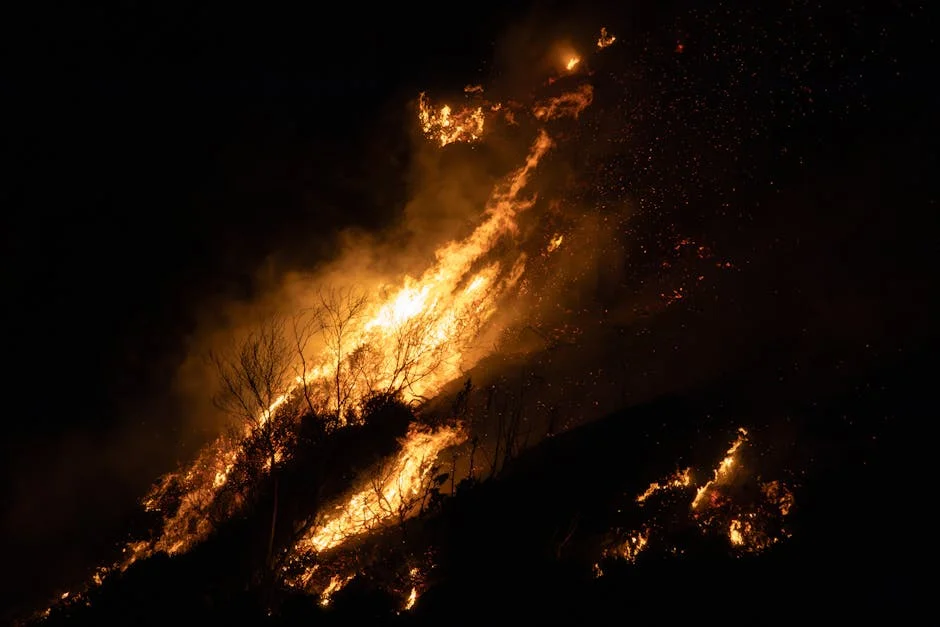
Local authorities have cited data from the National Meteorological Institute, which shows that Leiria has experienced 15% more days with temperatures above 30°C compared to the previous decade. This trend, combined with prolonged droughts, has created ideal conditions for wildfires. The fire department has recorded 42 incidents in the past three months, a significant rise from the 28 reported in the same period last year. The increase has raised concerns among environmental groups about the long-term impact on local ecosystems.
Public Response and Calls for Action
Residents of Aberta have expressed mixed reactions to the new measures. Some have praised the government for taking proactive steps, while others argue that more needs to be done to address the root causes of the crisis. Maria Silva, a local environmental activist, said, "We need better infrastructure for early fire detection and more funding for reforestation projects. This isn’t just about responding to fires — it’s about preventing them in the first place."
The regional environmental ministry has acknowledged the concerns and announced plans to allocate an additional €2 million for wildfire prevention programs. The funds will be used to expand firebreaks, improve emergency response systems, and support community education initiatives. However, critics argue that the measures are too slow and insufficient to address the scale of the problem.
Broader Implications for Portugal’s Climate Strategy


The situation in Aberta reflects a larger challenge facing Portugal as it grapples with the effects of climate change. The country has seen a rise in extreme weather events, including heatwaves, droughts, and wildfires. In 2023, wildfires burned over 150,000 hectares of land, making it one of the worst years on record. Experts warn that without urgent action, the frequency and intensity of such events will continue to rise.
Aberta’s fire alert has also sparked a national debate about the effectiveness of current climate policies. The Portuguese government has pledged to meet its commitments under the European Union’s Green Deal, but many argue that progress has been too slow. Environmental organizations are calling for stronger regulations on land use, greater investment in renewable energy, and more support for rural communities affected by climate change.
What to Watch Next
Residents of Aberta and surrounding areas should monitor local weather forecasts and follow official guidelines to stay safe. The fire department has set up a dedicated hotline for reporting suspicious activity and requesting assistance. In the coming weeks, the regional government is expected to announce new measures to address the growing wildfire threat. These could include stricter penalties for illegal burning and expanded use of satellite monitoring systems.
As the summer season approaches, the risk of wildfires is expected to increase further. The next major test for Aberta’s fire management strategy will come in the coming months, when temperatures are likely to reach their peak. The situation will also be closely watched by environmental agencies and policymakers across Portugal, as it could set a precedent for how the country responds to climate-related emergencies.