The United Nations General Assembly has passed a landmark resolution condemning modern slavery as a crime against humanity, marking a pivotal shift in global human rights policy. The vote, held on 21 June 2024, saw 123 countries support the measure, with 22 voting against and 15 abstaining. The decision follows years of pressure from civil society groups, including the African Union and Caribbean nations, which highlighted the region’s historical and ongoing struggles with exploitation and forced labor.
The Resolution and Its Significance
The resolution, formally titled “Combating Modern Slavery as a Crime Against Humanity,” defines forced labor, human trafficking, and debt bondage as crimes under international law. It mandates that member states take concrete steps to prevent and prosecute such acts, including strengthening legal frameworks and improving labor protections. The measure was spearheaded by the African Union and the Caribbean Community (CARICOM), which argued that the legacy of transatlantic slavery continues to shape economic and social inequalities in their regions.

“This is the gravest crime against humanity,” said Dr. Amina J. Adams, a human rights lawyer and representative of the African Union. “For centuries, our people were dehumanized and exploited. This resolution is a long-overdue recognition of that pain and a step toward justice.”
Historical and Regional Context
The vote comes amid growing awareness of the deep-rooted links between historical slavery and contemporary labor abuses. In the Caribbean, countries such as Jamaica and Guyana have seen a rise in forced labor in sectors like agriculture and construction. In Africa, the International Labour Organization (ILO) estimates that over 11 million people are trapped in forced labor, with many in countries like Nigeria, Ethiopia, and the Democratic Republic of the Congo.
“The Caribbean and Africa have always been at the forefront of this fight,” said Dr. Kwame Osei, a historian at the University of Ghana. “This resolution is not just symbolic — it’s a call to action for governments to address the systemic issues that allow slavery to persist.”
Implications for the United States
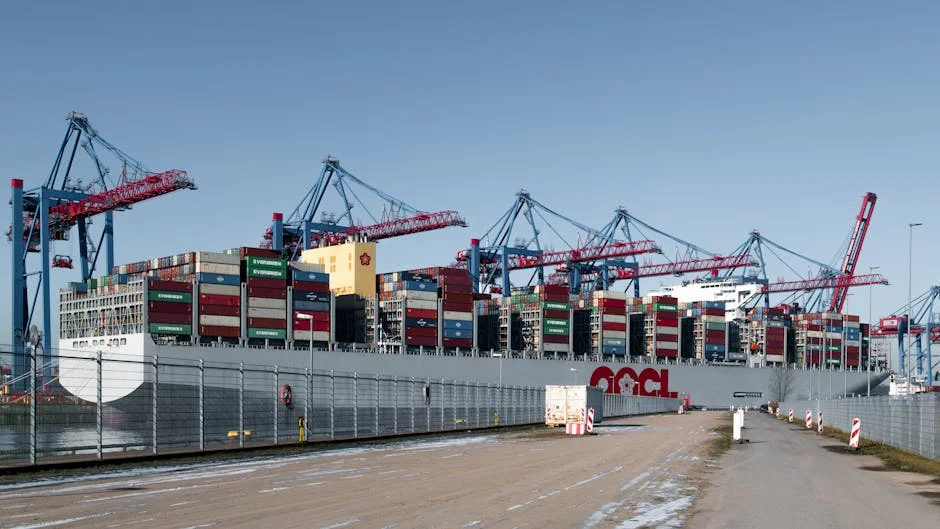

The U.S. has long been a major consumer of goods produced through exploitative labor, particularly in industries such as agriculture, mining, and manufacturing. The new UN resolution may prompt increased scrutiny of supply chains and push for stronger domestic legislation. Lawmakers in Washington, D.C., have already begun discussing potential reforms, including expanded use of the Uyghur Forced Labor Prevention Act and greater transparency in corporate sourcing.
“This resolution will have a direct impact on U.S. businesses and consumers,” said Senator Maria Lopez, a member of the Senate Foreign Relations Committee. “We must ensure that our trade policies do not enable modern slavery.”
Challenges and Criticisms
The resolution has faced criticism from some countries, including Russia and China, which argue that it could be used to justify intervention in sovereign states. Others, like India, have raised concerns about the lack of clear enforcement mechanisms. Despite this, advocates say the symbolic weight of the resolution is significant.
“This is not a perfect document, but it is a critical first step,” said Nia Mwangi, a policy analyst with the African Development Foundation. “The real test will be how countries implement it.”
Next Steps and What to Watch
The next major milestone is a UN review of national implementation plans, due by 2026. The African Union and CARICOM have also announced plans to establish regional task forces to monitor compliance and support affected communities. For the U.S., the coming months will see increased pressure on Congress to pass stronger anti-slavery legislation, particularly as consumer awareness of ethical sourcing grows.
As the world moves forward, the resolution serves as a powerful reminder of the enduring legacy of slavery and the urgent need for global accountability. The coming years will test whether this historic vote translates into lasting change for millions of people still trapped in forced labor.