Indian parliamentarian Shashi Tharoor has sharply criticised Pakistan's involvement in US-Iran peace talks, stating that only Islamabad can play a key role in brokering a deal. The remarks came during a high-profile speech in Washington, where Tharoor, a former UN official and senior Congress Party leader, addressed an audience of policymakers and analysts. His comments highlight growing concerns over regional stability and the complex dynamics between the US, Iran, and Pakistan in the Middle East.
Tharoor's Direct Criticism of Pakistan
Tharoor, who has long been a vocal critic of Pakistan's support for militant groups, told the audience in Washington that Islamabad's involvement in the US-Iran negotiations is essential. "Only Pakistan can play that role," he said, referring to the country's historical ties with both the US and Iran. His remarks came as the US intensifies its diplomatic efforts to secure a nuclear deal with Iran, with Pakistan seen as a critical intermediary due to its longstanding relationship with Tehran.
The Indian politician, who has previously called for stronger regional cooperation, argued that Pakistan's failure to act could undermine broader efforts to stabilise the region. "If Pakistan doesn't step up, the whole process risks falling apart," he said, adding that Islamabad's role is not just strategic but also moral. The comments were widely seen as a challenge to Pakistan's current government, which has maintained a cautious stance on the US-Iran negotiations.
Context of US-Iran Relations and Regional Tensions
The US and Iran have been engaged in a series of backchannel talks since 2021, with the goal of reviving the 2015 nuclear deal, known as the Joint Comprehensive Plan of Action (JCPOA). However, progress has been slow, and the role of regional actors like Pakistan has become increasingly significant. Islamabad has historically maintained a delicate balance between its US ally and its long-standing ties with Iran, which has been a key regional power in South Asia.
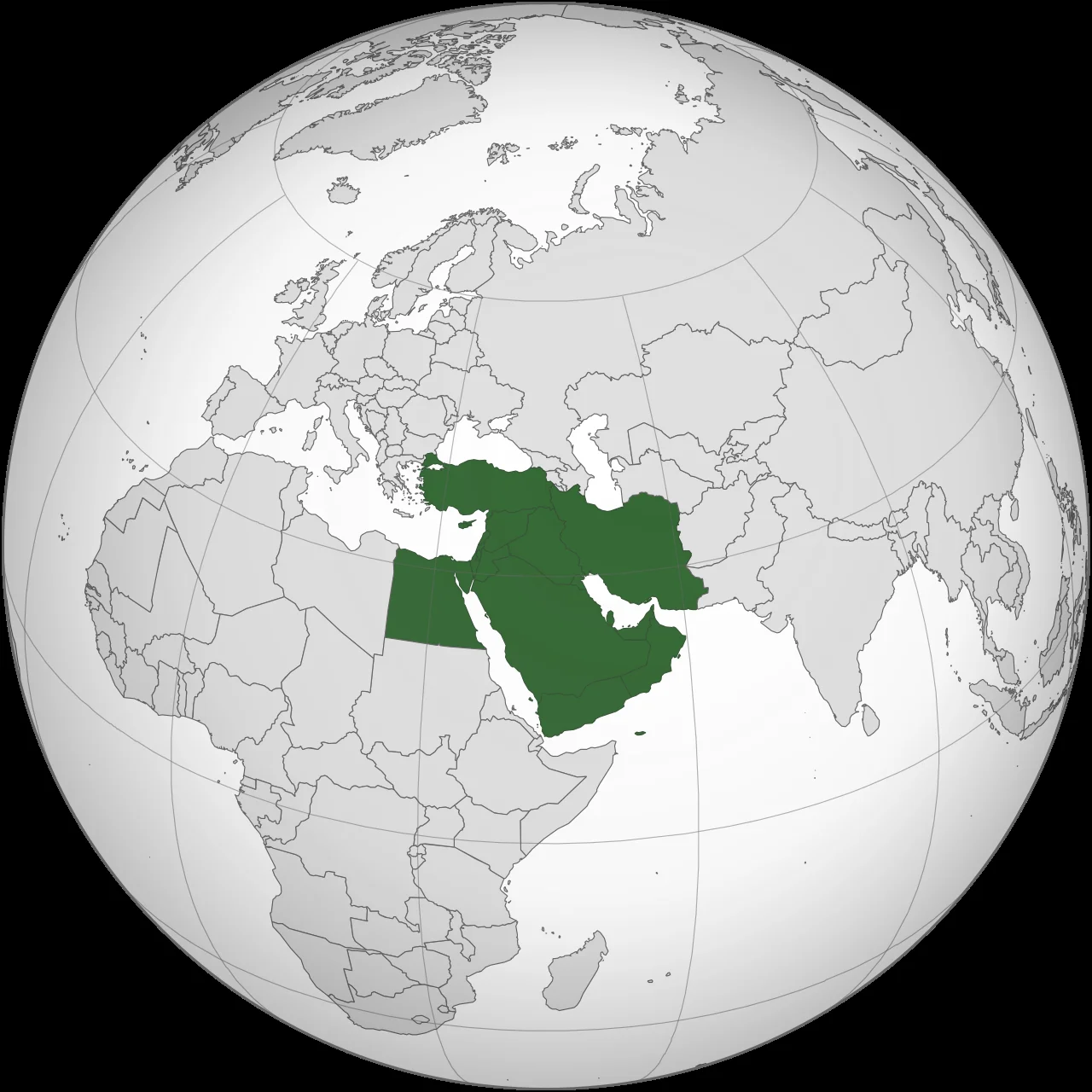
Tharoor's comments come amid rising concerns over the potential for renewed conflict in the region. In 2023, tensions between the US and Iran escalated after a series of attacks on American interests in Iraq and the Gulf. Pakistan, which shares a border with Afghanistan and has been a key partner in US-led operations, has found itself at the centre of diplomatic discussions. Tharoor's speech in Washington underscores the growing recognition that Pakistan's role in these talks is not just symbolic but strategic.
Impact on India-Pakistan Relations
Tharoor's remarks have reignited debates about India's position on regional diplomacy. As a senior Indian politician, he has often called for a more assertive Indian foreign policy, particularly in response to Pakistan's actions. His criticism of Islamabad's role in the US-Iran talks is seen as part of a broader strategy to push for greater Indian influence in regional affairs.
India has long been wary of Pakistan's involvement in Middle East diplomacy, citing its support for militant groups that have targeted Indian interests. The Indian government has also expressed concerns about the potential for regional instability, particularly following the US withdrawal from Afghanistan in 2021. Tharoor's speech in Washington is likely to be interpreted as a signal that India is preparing to take a more active role in shaping the region's future.
Tharoor's Broader Foreign Policy Views
Tharoor, who served as a UN Under-Secretary-General from 2005 to 2012, has consistently advocated for a more multilateral approach to global issues. His comments on Pakistan and the US-Iran talks reflect a broader belief that regional actors must take greater responsibility for maintaining stability. "The world is changing, and countries like Pakistan cannot sit on the sidelines," he said during the speech.
His views are in line with India's increasing emphasis on regional diplomacy, particularly in the context of the Quad and the Indo-Pacific strategy. Tharoor's remarks in Washington are expected to influence ongoing discussions about India's role in Middle East affairs, especially as the US seeks to build a more inclusive regional security framework.
What Comes Next for US-Iran Diplomacy?
As the US continues its diplomatic efforts with Iran, the role of Pakistan remains a key factor. Analysts suggest that Islamabad's willingness to engage in negotiations will be critical to the success of the talks. Tharoor's comments have added a new layer of complexity to the discussion, with some observers suggesting that India may push for a more active role in the process.
Looking ahead, the next few months will be crucial. The US is expected to hold further discussions with Iran in the coming weeks, and Pakistan's response will be closely watched. Tharoor's speech in Washington has already sparked debate, and it is likely to influence the direction of regional diplomacy in the months to come.