A Chinese researcher died in the United States following an interrogation by U.S. authorities, triggering a strong response from Beijing and raising tensions over the treatment of Chinese nationals in the country. The incident has intensified diplomatic friction between the two nations, with Beijing accusing U.S. officials of mistreatment and violating the rights of Chinese citizens. The researcher, identified as Dr. Li Wei, was reportedly detained in New York in late July and released days before his death on August 3. His family claims he was subjected to aggressive questioning and physical abuse during his detention.
Death of Dr. Li Wei Sparks Diplomatic Outcry
The Chinese Ministry of Foreign Affairs issued a formal statement condemning the U.S. government for its handling of Dr. Li Wei’s case. The ministry stated that the U.S. had failed to uphold its obligations under international law and that the death of a Chinese citizen in the country was a serious violation of diplomatic norms. “We demand a full and transparent investigation into the circumstances of Dr. Li Wei’s death and a guarantee that no similar incidents occur in the future,” the statement read.
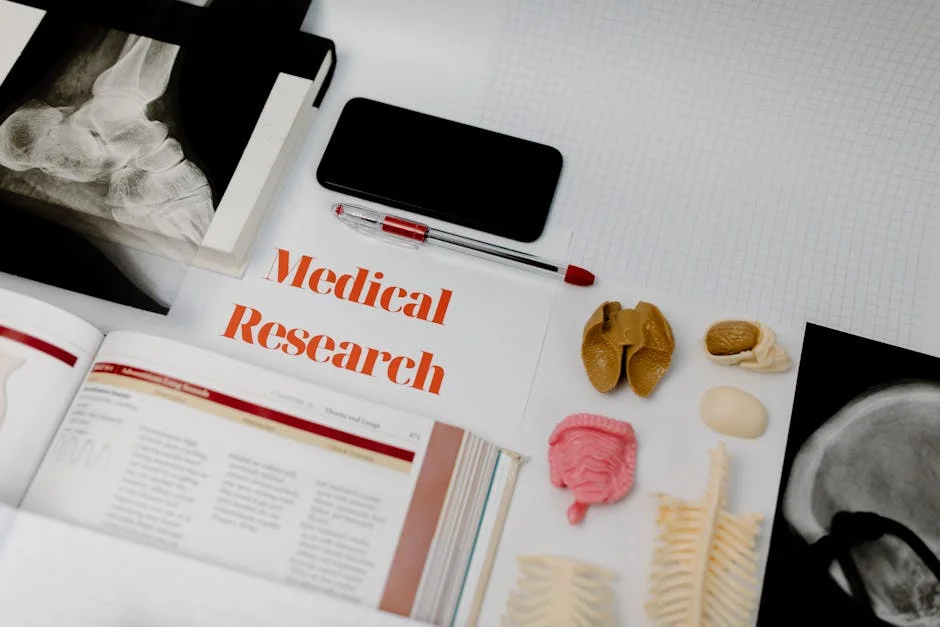
Dr. Li Wei, a molecular biologist, had been working at a U.S. university on a research project funded by the National Institutes of Health. His death has prompted calls for a review of how U.S. agencies handle Chinese researchers, particularly in light of recent restrictions on Chinese students and scientists. The U.S. Department of Justice has not publicly commented on the case, but sources close to the investigation suggest that Dr. Li Wei was questioned about his research and affiliations with Chinese institutions.
Historical Context of U.S.-China Tensions
The incident adds to a broader pattern of rising tensions between the U.S. and China, particularly in the realm of science and technology. In recent years, the U.S. has increased scrutiny of Chinese researchers, citing concerns over intellectual property theft and espionage. The Trump and Biden administrations have both taken steps to limit Chinese access to sensitive research, leading to a number of high-profile detentions and deportations.
Chinese officials have consistently criticized these actions, arguing that they are part of a broader effort to undermine China’s scientific progress. In 2020, the Chinese government accused the U.S. of “academic colonialism” for its treatment of Chinese students and researchers. The death of Dr. Li Wei has reignited these accusations, with Beijing calling for an end to what it describes as “targeted harassment” of Chinese nationals in the U.S.
International Reactions and Legal Implications


The case has drawn attention from international human rights organizations, which have called for an independent investigation into Dr. Li Wei’s death. The U.N. High Commissioner for Human Rights has urged both the U.S. and China to ensure that the incident is thoroughly examined and that justice is served. “The death of any individual in custody is a matter of serious concern,” the office stated in a press release.
Legal experts in both countries have weighed in on the case. In the U.S., some analysts argue that the incident highlights the need for clearer guidelines on how law enforcement handles foreign nationals during investigations. In China, legal scholars have called for stronger protections for Chinese citizens abroad, particularly those working in scientific fields. “This is not just a matter of diplomacy, but of human rights,” said Professor Zhang Lin, a legal expert at Peking University.
Impact on U.S.-China Relations
The death of Dr. Li Wei is likely to have a lasting impact on U.S.-China relations, particularly in the area of science and education. Chinese universities and research institutions have already begun to reconsider their partnerships with U.S. institutions, with some citing concerns over the treatment of Chinese scholars. The Chinese government has also warned that it may take retaliatory measures if it believes its citizens are being mistreated in the U.S.
At the same time, the U.S. government faces pressure to clarify its policies on foreign researchers. The Department of Homeland Security has been under scrutiny for its handling of visa applications and research collaborations, with critics arguing that the current framework is too vague and prone to misuse. “There is a need for greater transparency and accountability,” said a U.S. senator who has been vocal on foreign policy issues.
What to Watch Next
Both the U.S. and Chinese governments are expected to release further statements in the coming weeks. The U.S. Department of Justice is likely to provide more details on the investigation into Dr. Li Wei’s death, while Beijing has indicated that it will continue to press for answers. Diplomatic channels between the two nations remain open, but the incident has already created a significant rift.
International observers will be closely watching how the situation unfolds. The case has the potential to reshape how both countries approach scientific collaboration and the treatment of foreign researchers. For now, the focus remains on ensuring that justice is served and that the rights of all individuals, regardless of nationality, are protected.