TSMC, the world’s largest chipmaker, reported a 35% increase in revenue to a new record high, driven by sustained demand for artificial intelligence chips in the United States. The company, based in Taiwan, said strong orders from US tech firms, including major cloud and semiconductor companies, fueled the growth. The surge highlights the deepening reliance of the global tech industry on TSMC’s advanced manufacturing capabilities.
TSMC’s Record Revenue Reflects AI Demand Surge
TSMC’s second-quarter revenue reached $19.3 billion, up from $14.3 billion in the same period last year. The company attributed the jump to a sharp rise in demand for 5-nanometer and 3-nanometer chips, which are critical for AI applications. The US remains a key market, with major tech firms like Alphabet, Microsoft, and Amazon placing large orders for custom chips to power their AI infrastructure.
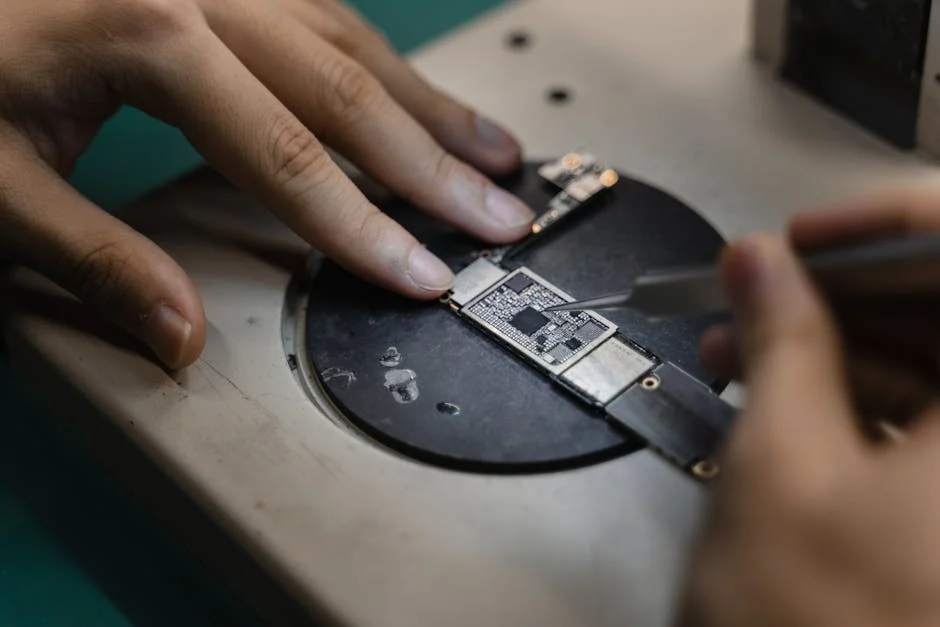
“Our clients are accelerating their AI investments, and TSMC is at the center of this transformation,” said Mark Liu, TSMC’s chief financial officer. “The US market continues to be a major driver of our growth, especially in the data center and cloud computing sectors.”
Global Tech Sector Relies on TSMC’s Manufacturing Expertise
TSMC’s dominance in chip production is unmatched, with over 50% of the global market share for advanced semiconductors. The company’s ability to manufacture smaller, faster, and more efficient chips has made it an essential partner for tech giants. This year alone, TSMC has secured contracts with several US-based firms to build custom AI chips, further cementing its role in the global tech supply chain.
The US government has also taken notice of TSMC’s strategic importance. In 2022, the US Department of Commerce included TSMC in its list of critical suppliers, emphasizing the need to secure semiconductor manufacturing capabilities within the country. However, TSMC remains primarily based in Taiwan, where it operates multiple advanced fabrication plants.
Challenges and Opportunities for TSMC
Despite its success, TSMC faces challenges, including rising costs of raw materials and geopolitical tensions in the Taiwan Strait. The company has also been under pressure to expand its manufacturing capacity in the US and other regions to reduce reliance on Taiwan. In response, TSMC recently announced plans to build a new factory in Arizona, a move that could reshape the global semiconductor landscape.
The expansion is part of a broader strategy to diversify production and meet growing global demand. However, experts warn that the US manufacturing environment presents unique hurdles, including higher labor costs and regulatory complexity. “TSMC’s Arizona plant is a bold step, but it will take years to reach full capacity,” said Dr. Emily Zhang, a semiconductor analyst at MIT.
What’s Next for TSMC and the US Tech Sector?


TSMC is expected to report its third-quarter results in late July, with analysts closely watching for signs of continued growth. The company has also begun construction on its Arizona facility, with initial operations expected by 2025. Meanwhile, US tech firms are likely to continue increasing their reliance on TSMC for cutting-edge chips, especially as AI adoption accelerates across industries.
Investors are also watching the broader implications of TSMC’s success. The company’s stock has risen more than 20% this year, reflecting confidence in its long-term prospects. However, concerns about geopolitical risks and supply chain stability remain. “TSMC’s future will depend on its ability to balance growth with risk management,” said John Carter, a financial analyst at Goldman Sachs.
Looking Ahead: TSMC’s Role in the AI Economy
The next few months will be critical for TSMC as it navigates expansion plans and global demand. The company’s ability to meet rising AI chip needs will shape the pace of technological advancement in the US and beyond. Meanwhile, policymakers and industry leaders are increasingly focused on securing stable semiconductor supply chains, especially as AI becomes more central to economic and national security strategies.
As TSMC continues to push the boundaries of chip manufacturing, the US tech sector will remain a key partner. The coming year will reveal whether TSMC can maintain its leadership while adapting to a rapidly evolving global landscape.
Frequently Asked Questions
What is the latest news about tsmc posts 35 revenue surge as ai chip demand soars?
TSMC, the world’s largest chipmaker, reported a 35% increase in revenue to a new record high, driven by sustained demand for artificial intelligence chips in the United States.
Why does this matter for politics-governance?
The surge highlights the deepening reliance of the global tech industry on TSMC’s advanced manufacturing capabilities.
What are the key facts about tsmc posts 35 revenue surge as ai chip demand soars?
The company attributed the jump to a sharp rise in demand for 5-nanometer and 3-nanometer chips, which are critical for AI applications.