Prime Minister Shehbaz Sharif of Pakistan unveiled a series of economic reforms on Monday, aiming to stabilise the country's crumbling currency and curb inflation. The measures, announced in Islamabad, include a 20% devaluation of the rupee and a crackdown on black-market currency trading. The move comes as the Pakistani rupee has lost nearly 30% of its value against the US dollar since the start of the year, pushing inflation to a 12-year high of 34.2% in May.
Reforms Target Currency Collapse
The government's plan includes a new exchange rate mechanism designed to bring the black market under control. The State Bank of Pakistan will now set daily rates for foreign exchange, reducing the incentives for illegal trading. The decision was made after weeks of pressure from international lenders, including the International Monetary Fund (IMF), which has been negotiating a $3 billion loan with Islamabad.
Shehbaz Sharif, who took office in April 2022, has faced mounting criticism over the country's economic turmoil. The rupee's decline has made imports more expensive, worsening the balance of payments crisis. In a press conference, the prime minister said, "These reforms are necessary to restore confidence in our economy and attract foreign investment." The announcement was met with mixed reactions, with some economists welcoming the move and others warning of short-term pain.
Impact on Daily Life and Global Relations
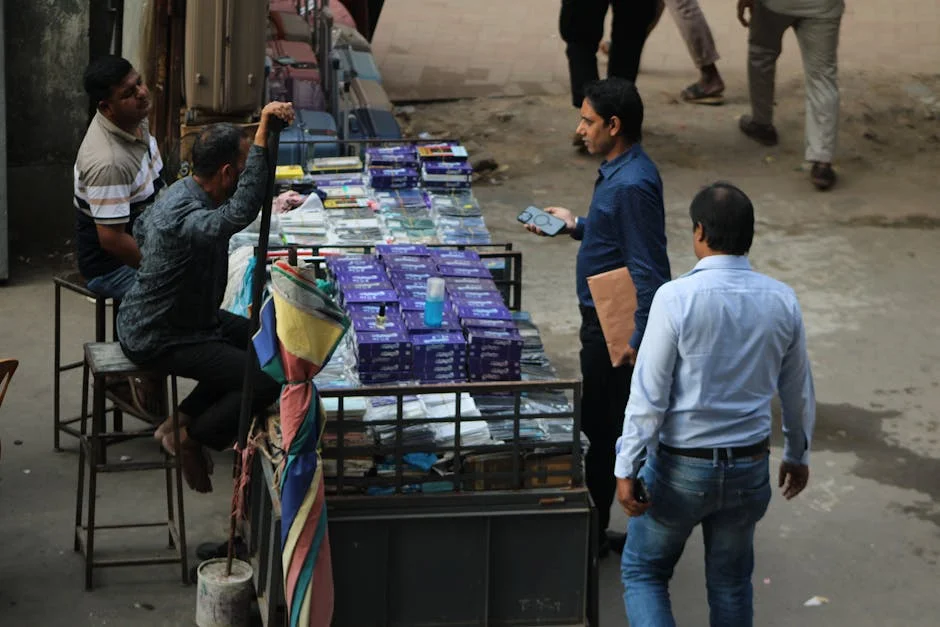
The devaluation is expected to increase the cost of essentials such as fuel, food, and medicine. In Lahore, one of Pakistan's largest cities, the price of cooking gas has already risen by 15% in the past month. Retailers report that consumer demand has dropped, with many households cutting back on non-essential spending.
The reforms could also affect Pakistan's relations with the United States. The US has been a key ally in the region, and the economic instability has raised concerns about regional security. Analysts at the Carnegie Endowment for International Peace noted that a stable Pakistan is crucial for US interests in Afghanistan and the broader South Asian region. "If the reforms fail, it could lead to increased political instability, which could have spillover effects," said Dr. Ayesha Siddiqa, a senior fellow at the think tank.
Historical Context and Political Challenges

Shehbaz Sharif's government faces a difficult task. Pakistan has a history of economic mismanagement, with frequent shifts in policy and dependence on foreign loans. The current crisis follows years of political instability, including the ousting of former Prime Minister Imran Khan in April 2022. Khan's government had also struggled with inflation and a debt crisis, but his critics argue that his policies exacerbated the situation.
India Today, a prominent Indian news outlet, has closely followed the developments in Pakistan, highlighting the regional implications of the economic crisis. In a recent article, the publication noted that Pakistan's economic struggles could affect India's trade and security policies. "A weaker Pakistan means a more unpredictable region," the article stated.
International Response and Next Steps
The IMF has expressed cautious optimism about the reforms, but has warned that more structural changes are needed. "Pakistan must continue to implement policies that promote fiscal discipline and economic growth," said an IMF spokesperson. The organisation has also called for greater transparency in public spending and a reduction in the budget deficit.
Meanwhile, the Pakistani government has announced a timeline for implementing the new policies. By the end of July, the State Bank will introduce a new digital currency tracking system to monitor foreign exchange transactions. The government also plans to launch a public awareness campaign to explain the changes to citizens.
The coming weeks will be critical for Shehbaz Sharif's government. If the reforms succeed, they could restore investor confidence and ease the economic crisis. However, if inflation continues to rise and public discontent grows, the prime minister may face renewed political pressure. For now, the focus remains on stabilising the currency and restoring economic stability in one of South Asia's most troubled economies.