Nigeria's military confirmed the death of a senior general and at least 15 soldiers following an attack on a base in Borno state, a region long plagued by jihadist violence. The assault, carried out by Boko Haram insurgents, targeted a military installation in Maiduguri, the capital of Borno, on Tuesday. The incident marks one of the deadliest attacks in the area this year and underscores the ongoing security challenges facing the country.
Attack Details and Immediate Aftermath
The attack occurred at around 2 a.m. local time, when militants stormed the base in Maiduguri, the epicenter of Boko Haram's operations. A military official confirmed that General Ibrahim Musa, a senior commander in the north-east, was among the dead. At least 15 others, including junior officers and soldiers, were also killed, with over 30 injured. The Nigerian Army has declared a state of emergency in the area, increasing security presence and conducting house-to-house searches for suspects.
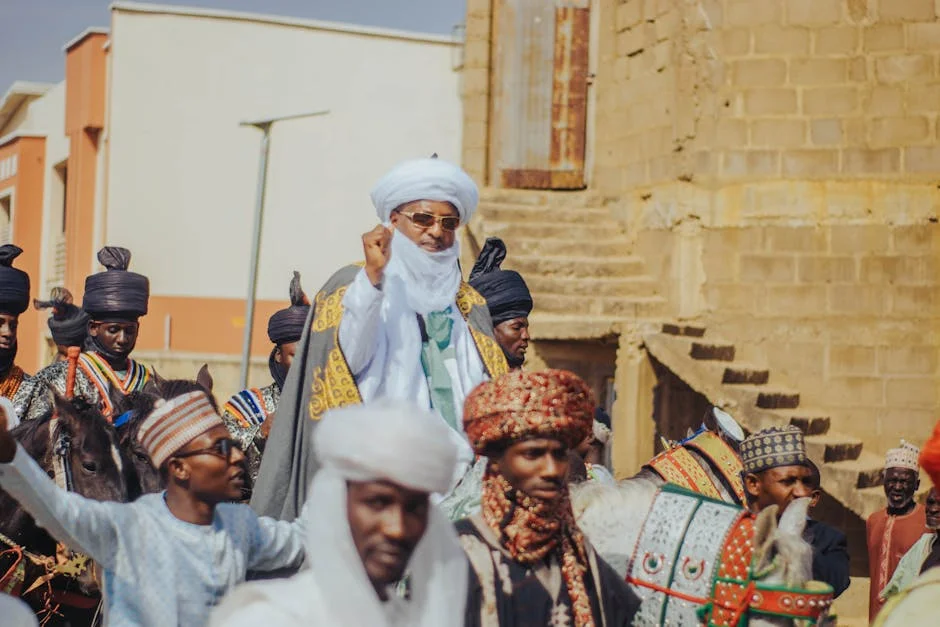
Residents of Maiduguri described the chaos that followed the attack. “The explosions were loud, and people were running in all directions,” said Amina Abubakar, a local teacher. “We didn’t know if it was a bomb or a gunfire. It was terrifying.” The military has blamed Boko Haram, an Islamist group that has waged a decade-long insurgency in the region, for the attack. The group has claimed responsibility for multiple attacks in recent months, including a bombing in the capital, Abuja, in January.
Context of Boko Haram's Insurgency
Boko Haram, whose name translates to “Western education is forbidden,” has killed tens of thousands of people and displaced over 2.5 million in the Lake Chad region. The group's attacks have targeted not only military installations but also schools, churches, and civilian populations. The Nigerian government, along with regional partners, has been engaged in a multi-year counterinsurgency effort, but progress has been slow. In 2021, the military claimed to have defeated Boko Haram, but the group has since regrouped and launched new attacks.
The conflict has had far-reaching consequences. The United Nations has warned that the region faces a growing humanitarian crisis, with millions in need of food and medical aid. The U.S. has provided military and financial support to Nigeria and other regional states to combat the insurgency. Analysts say the recent attack highlights the fragility of the security situation and the need for sustained international support.
Regional and International Implications


The attack in Borno has raised concerns about the stability of the Lake Chad Basin, a region that spans Nigeria, Chad, Niger, and Cameroon. The African Union has called for increased regional cooperation to tackle the threat posed by Boko Haram. In a statement, the AU said, “The recent violence in Borno is a reminder of the persistent threat that Boko Haram and its offshoot, the Islamic State West Africa Province (ISWAP), continue to pose to regional security.”
For the United States, the situation in Borno remains a key concern. The U.S. Africa Command (AFRICOM) has been involved in training Nigerian forces and providing intelligence support. However, the recent attack has prompted questions about the effectiveness of current strategies. “The U.S. must continue to support Nigeria in its fight against Boko Haram, but it’s clear that more needs to be done to address the root causes of the conflict,” said Dr. Adebayo Adedeji, a security analyst at the African Development Bank.
Humanitarian Crisis and Civilian Impact
As the military intensifies its operations, the civilian population in Borno continues to suffer. Over 1.5 million people in the state are in need of urgent humanitarian assistance, according to the United Nations. The attack has further disrupted aid efforts, as humanitarian workers face increased risks in the region. “Every time there is an attack, the humanitarian situation worsens,” said Sarah Johnson, a UN official working in Maiduguri. “We are struggling to reach those who need help the most.”
The violence has also led to a surge in internally displaced persons (IDPs). Many have fled to nearby towns, where overcrowding and lack of resources have created a secondary crisis. In Maiduguri, IDP camps are operating at over 200% capacity, with limited access to clean water and medical care. The Nigerian government has pledged to improve conditions, but aid groups say more international support is needed.
What Comes Next?
The Nigerian government has announced plans to launch a new security operation in Borno, focusing on intelligence gathering and community engagement. The military has also called for increased funding and resources to counter Boko Haram effectively. However, analysts warn that without a broader political and economic strategy, the conflict will persist.
International donors, including the U.S. and the European Union, are expected to review their aid programs in the coming weeks. A key decision will be whether to increase financial support for security and humanitarian efforts. For now, the people of Borno remain on edge, hoping for stability in a region that has known little of it for over a decade.