The state police department in Kerala has arrested five senior officials, including the head constable, for allegedly embezzling ₹1.40 crore in public funds. The arrests followed a months-long investigation by the Anti-Corruption Bureau, which uncovered irregularities in the allocation of government grants for infrastructure projects. The accused, all senior officers in the district administration, are now under investigation for misuse of public resources.
Arrests Follow Major Corruption Probe
The case came to light after a whistleblower within the local administration reported discrepancies in the financial records of a road development project in the Kottayam district. The Anti-Corruption Bureau launched an inquiry, which led to the identification of multiple irregularities, including false invoices and inflated contracts. The head constable, identified as R. Nair, was among those detained, along with three other senior officers and a contractor who allegedly facilitated the fraud.
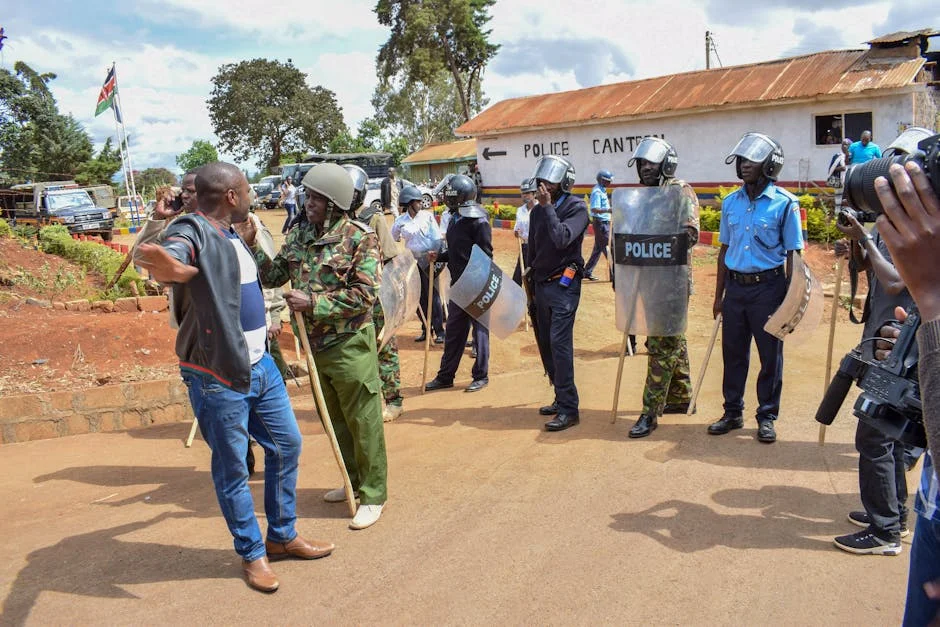
The arrested officers were charged under the Prevention of Corruption Act, with allegations of misappropriating funds meant for public infrastructure. According to the bureau, the ₹1.40 crore was siphoned off through a network of shell companies linked to the contractor. The case has drawn widespread public attention, with local residents demanding transparency and accountability from the administration.
Impact on Local Governance and Public Trust
The scandal has raised concerns about the integrity of local governance in Kerala, where public trust in administrative bodies has already been strained by past corruption cases. The Kottayam district, known for its agricultural and industrial hubs, has seen several high-profile corruption cases in recent years. This latest development has intensified calls for stricter oversight and more transparent financial reporting in government projects.
Local activists have condemned the arrests as a necessary step toward restoring public confidence. "This case highlights the urgent need for reform in how public funds are managed," said Anjali Menon, a civil society representative in Kottayam. "Without accountability, the public will continue to lose faith in the system."
Legal Proceedings and Next Steps


The arrested officials are currently in police custody and will appear before a local court on Thursday. The case is expected to be transferred to a special court designated for corruption cases. Legal experts suggest that the prosecution will rely heavily on financial records and testimonies from the whistleblower and other witnesses.
The state government has issued a statement expressing "disappointment" over the allegations but has not commented directly on the arrests. Officials have reiterated their commitment to rooting out corruption, though critics argue that past pledges have not led to meaningful change. The case has also sparked a debate over the effectiveness of current anti-corruption measures in the state.
Historical Context and Broader Implications
Kerala has long been a focal point for anti-corruption efforts in India, with several high-profile cases involving both state and central government officials. The state has also been at the forefront of implementing digital governance reforms to reduce opportunities for graft. However, the latest scandal has exposed loopholes in the system, particularly in how local contracts are awarded and monitored.
Analysts suggest that the case could lead to a broader review of procurement processes in public projects. "This is not just about individual accountability but about systemic reform," said Dr. Rajesh Kumar, a political analyst based in Thiruvananthapuram. "Without structural changes, similar cases are likely to emerge."
What to Watch Next
The court proceedings are expected to take several weeks, with the possibility of the case escalating to higher judicial levels if new evidence emerges. Meanwhile, the state government is under pressure to announce new measures to prevent future corruption. Civil society groups have also called for the establishment of an independent oversight body to monitor public spending. Readers should watch for updates on the legal process and any policy changes that may follow.