Tinder has introduced facial verification in Singapore as part of a global initiative to tackle fraudulent activity on the dating platform. The feature requires users to submit a photo of their face, which is then cross-referenced with their profile picture to verify authenticity. The move comes after reports of fake profiles and scams rose by 20% in the region over the past year, according to the Singapore Ministry of Communications and Information.
What Tinder’s New Feature Entails
The facial verification process is integrated into the app’s existing profile setup. Users must take a real-time photo of their face and match it with a static profile image. The system uses AI to detect inconsistencies, such as deepfakes or images that do not match the user’s face. This step is mandatory for new users in Singapore, though existing users can opt-in voluntarily.
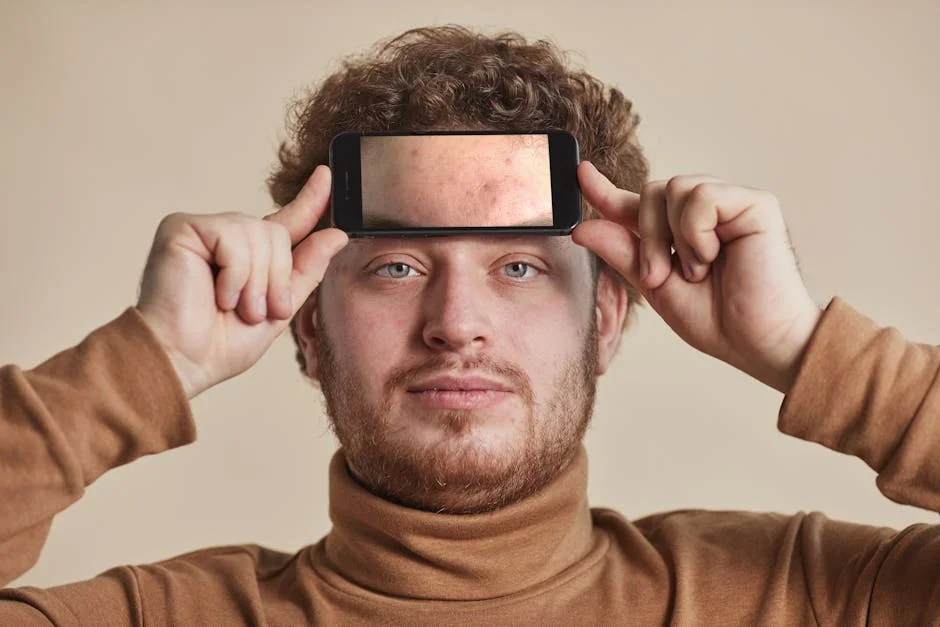
“This is a proactive step to ensure the safety of our users,” said a spokesperson for Tinder. “We are committed to creating a trusted environment for connections.” The feature has already been rolled out in other regions, including the United States and the United Kingdom, but Singapore marks the first Southeast Asian market to adopt it fully.
Why This Matters in Singapore
Scams on dating apps have become a growing concern in Singapore, with the police reporting a 15% increase in fraud cases linked to online platforms in 2023. The Singapore Police Force has warned users to be cautious of messages that ask for personal information or financial assistance. The new verification system aims to reduce such incidents by making it harder for scammers to create fake identities.
The Ministry of Communications and Information has endorsed the move, stating that it aligns with broader efforts to promote digital safety. “This initiative reflects the importance of protecting users in an increasingly connected world,” said a government official.
Industry Response and User Reactions


Industry experts have welcomed the change, noting that it could set a precedent for other dating platforms. “Facial verification is a crucial step in improving trust and safety,” said Dr. Lim Wen, a digital ethics researcher at the National University of Singapore. “It’s not foolproof, but it significantly raises the bar for scammers.”
However, some users have raised concerns about privacy. “I understand the need for security, but I’m not sure about sharing my face with a third party,” said a 28-year-old user who asked to remain anonymous. Tinder has assured users that data is encrypted and stored securely, with no access to facial recognition databases.
Global Context and Future Plans
Tinder’s facial verification is part of a larger trend among tech companies to enhance security on social platforms. In 2023, Facebook introduced similar features to detect fake accounts, and WhatsApp rolled out end-to-end encryption for all users. The move in Singapore is expected to influence other markets in Southeast Asia, where online fraud is on the rise.
The company has not yet announced plans to expand the feature beyond Singapore, but it has hinted at future rollouts. “We are continuously evaluating our safety measures to adapt to emerging threats,” said a Tinder representative.
What to Watch Next
The effectiveness of the facial verification system will be closely monitored in the coming months. Users will be required to complete the verification process by 31 December 2024, or they may face restrictions on their profiles. Meanwhile, the Singapore government is expected to release updated guidelines on digital safety in early 2024.
As online interactions become more prevalent, the balance between security and privacy will remain a key debate. Tinder’s new feature is a step toward a safer digital environment, but its long-term success will depend on user adoption and ongoing innovation.