UK Prime Minister Keir Starmer has warned that significant efforts are still needed to ensure a lasting ceasefire between the United States and Iran, following recent tensions in the Strait of Hormuz. The statement came as the region remains on edge after a series of diplomatic exchanges and military posturing between the two nations. Starmer’s remarks highlight the delicate balance of power in the Middle East and the potential for renewed conflict.
Starmer’s Call for Stability
Starmer emphasized that while a ceasefire has been agreed upon, its long-term success depends on sustained diplomatic engagement and transparency. “The situation in the Strait of Hormuz is critical, and we must remain vigilant,” he said during a press briefing in London. “A fragile truce is not enough—what matters is the willingness of all parties to uphold it.”

The UK has played a key role in mediating between the US and Iran, particularly in recent months. Starmer’s comments come after a series of high-level meetings between US and Iranian officials, which have so far failed to produce a binding agreement. The UK government has reiterated its support for a peaceful resolution, but officials acknowledge that trust between the two nations remains low.
Strategic Importance of the Strait of Hormuz
The Strait of Hormuz, a vital maritime passage connecting the Persian Gulf to the Arabian Sea, is a focal point of geopolitical tension. Over 20% of the world’s oil supply passes through the strait, making it a strategic asset for global energy markets. Any disruption could have far-reaching economic consequences, particularly for the US and its allies.
Recent incidents, including the seizure of a British-flagged vessel by Iranian forces in 2023, have heightened fears of a broader conflict. The UK has deployed naval assets to the region, and Starmer has called for increased international cooperation to safeguard maritime security. “We cannot afford another crisis in the Gulf,” he said.
The US has also expressed concern over the situation. Secretary of State Antony Blinken recently stated that the US remains committed to preventing escalation but has warned that any hostile actions by Iran would face a “swift and decisive” response.
Regional and Global Implications

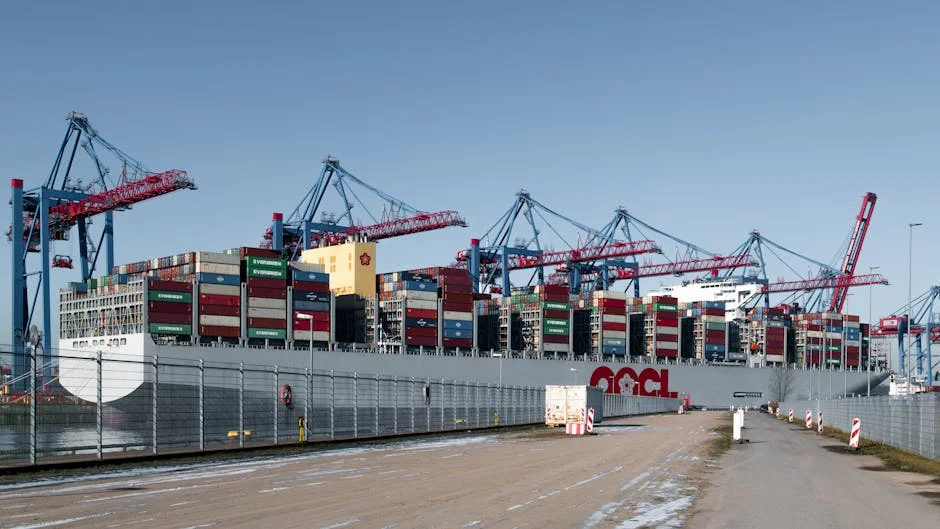
The potential for renewed conflict in the Strait of Hormuz has raised alarms across the globe. Analysts warn that instability in the region could trigger a spike in oil prices, disrupt global trade, and strain relations between Western nations and Iran. The UK, as a close ally of the US, is particularly concerned about the security of its interests in the area.
Regional powers such as Saudi Arabia and the United Arab Emirates have also voiced their support for a peaceful resolution. However, their ability to influence the situation is limited by the broader power dynamics at play. “The region is at a crossroads,” said Dr. Amina Al-Mansoori, a Gulf security analyst. “The choices made now will shape the future of the Middle East for years to come.”
International Responses and Next Steps
Several international organizations, including the United Nations and the International Maritime Organization, have called for dialogue and de-escalation. The UN Security Council is set to hold an emergency session next week to discuss the situation, with the UK and US pushing for a unified statement condemning any acts of aggression.
Meanwhile, the UK is working with Gulf states to enhance maritime security measures. This includes joint naval exercises and the sharing of intelligence to monitor potential threats. Starmer has also urged the US to maintain a strong but measured presence in the region, avoiding actions that could be perceived as provocative.
What to Watch Next
The coming weeks will be critical in determining the trajectory of US-Iran relations. A key development will be the outcome of the UN Security Council meeting, which could set the tone for future diplomatic efforts. Additionally, the US and Iran are expected to hold further talks in the next month, with the UK playing a facilitating role.
Analysts suggest that any progress will depend on both sides demonstrating a commitment to dialogue. “This is not just about avoiding war—it’s about building a framework for long-term stability,” said Dr. Michael Foster, a Middle East analyst at the London School of Economics. “The stakes are high, and the window for action is closing.”
For now, the focus remains on preventing a breakdown in the ceasefire and ensuring that the Strait of Hormuz remains a secure and stable waterway. The international community is watching closely, aware that the outcome could have profound implications for global security and economic stability.
Frequently Asked Questions
What is the latest news about starmer warns of fragile usiran ceasefire amid hormuz tensions?
UK Prime Minister Keir Starmer has warned that significant efforts are still needed to ensure a lasting ceasefire between the United States and Iran, following recent tensions in the Strait of Hormuz.
Why does this matter for politics-governance?
Starmer’s remarks highlight the delicate balance of power in the Middle East and the potential for renewed conflict.
What are the key facts about starmer warns of fragile usiran ceasefire amid hormuz tensions?
“The situation in the Strait of Hormuz is critical, and we must remain vigilant,” he said during a press briefing in London.