Angola's southern provinces have been hit by severe flooding, with the death toll now exceeding 40 as communities grapple with the aftermath of the disaster. The floods, triggered by heavy rains in the region, have displaced thousands and damaged critical infrastructure, including roads and bridges. The Angolan Ministry of Disaster Management confirmed the rising casualties on Thursday, urging residents to remain cautious as the rainy season continues.
Devastation in Southern Angola
The worst-affected areas include the provinces of Cuando Cubango and Cunene, where entire villages have been submerged. In Cunene, the town of Moxico saw the river overflow its banks, destroying homes and farmland. Local authorities reported that over 15,000 people have been displaced in the region, with many seeking shelter in makeshift camps. "The situation is critical," said Maria da Silva, a regional representative for the Red Cross. "We are doing everything we can, but the scale of the disaster is overwhelming."
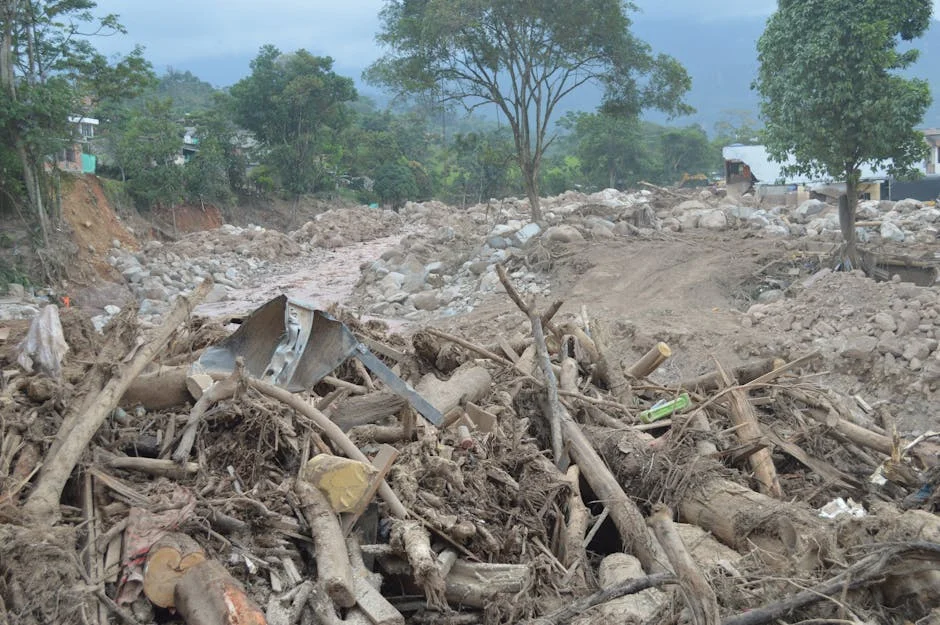
Government officials have launched emergency relief efforts, but challenges remain. The lack of adequate drainage systems and poor urban planning in some areas have worsened the flooding. In the city of Lubango, the capital of Huíla province, residents described the streets as rivers, with water levels reaching waist height in some areas. "We’ve never seen floods this bad before," said João Ferreira, a local shop owner. "It’s like the rain never stops."
Historical Context and Climate Factors
Angola has experienced periodic flooding in the past, but the intensity and frequency of such events have increased in recent years. Climate experts link the trend to shifting weather patterns caused by global warming. The United Nations Office for the Coordination of Humanitarian Affairs (UNOCHA) has warned that the country is particularly vulnerable to extreme weather due to its geography and limited disaster preparedness. "This is not just an Angolan issue — it reflects a broader regional challenge," said Dr. Amina Ndong, a climate scientist based in Maputo.
Historically, Angola's flood risks have been exacerbated by deforestation and unregulated construction. In the 1990s, the country's civil war disrupted environmental protections, leading to long-term ecological damage. Today, many communities remain in high-risk areas, often without access to early warning systems or emergency services. "We need to rethink how we build and live in these regions," said Dr. Ndong. "Without long-term planning, these disasters will become more frequent and more deadly."
International Response and Aid Efforts

International aid agencies have begun mobilizing resources to support the affected populations. The World Food Programme (WFP) has pledged $5 million in emergency food aid, while the United Nations has called for increased funding to address the crisis. However, some experts caution that aid efforts may be hampered by bureaucratic delays and logistical challenges. "We need to act fast," said Sarah Mitchell, a WFP spokesperson. "Every hour counts in a situation like this."
Local NGOs have also stepped in, with groups like SOS Angola providing medical care and shelter. Despite these efforts, many families remain without clean water or electricity. In some areas, the government has deployed military personnel to assist with rescue operations. "We are doing everything possible," said General Francisco Mendes, head of the Angolan National Defense Force. "But the scale of this disaster is beyond our usual capacity."
Long-Term Implications and Policy Debates
The floods have reignited debates about Angola's long-term development strategies. Critics argue that the government has not invested sufficiently in flood prevention or climate resilience. "This disaster is a wake-up call," said political analyst Luis Ferreira. "If Angola wants to avoid future crises, it must prioritize sustainable development and environmental protection."
Meanwhile, international observers are watching closely. The United States and the European Union have both expressed concern over the situation, with some officials suggesting that climate-related disasters could become a major political issue in the coming years. "This isn't just about relief — it's about the future of governance in Angola," said Dr. Ferreira. "How the government responds now will shape public trust and policy for years to come."
What Comes Next?
As the rainy season continues, authorities are urging residents to remain vigilant and avoid flooded areas. The government has also announced plans to review its disaster management policies, though no timeline has been provided. International aid is expected to increase in the coming weeks, with the UN and WFP preparing for a potential surge in demand.
For now, the focus remains on immediate relief. With the death toll still rising, the people of Angola are waiting for a clear path forward. What happens next will depend on both local efforts and global support — but for many, the floodwaters have already changed their lives forever.