Palestinians in the West Bank have launched a widespread strike in response to a new Israeli law that expands the use of the death penalty for certain crimes, marking a significant escalation in tensions between the two sides. The strike, which began on Monday, has seen workers, students, and businesses across major cities such as Ramallah and Nablus shut down, with protests demanding the law’s repeal. The move has drawn sharp criticism from Palestinian leaders and human rights groups, who argue that the legislation threatens the rights of Palestinians and deepens the humanitarian crisis in the region.
What Happened and Why It Matters
The Israeli government passed the law in late April, which allows for the death penalty to be imposed for crimes such as terrorism, espionage, and certain types of murder. The law is seen by many as a response to a series of attacks on Israeli civilians, but it has been condemned by Palestinian officials as an attempt to further entrench Israeli control over the West Bank. The strike, organized by the Palestinian Authority and local unions, has paralyzed daily life in several areas, with schools and businesses closing for the second consecutive day. The protest is the largest of its kind in years, highlighting the growing frustration among Palestinians over perceived injustices and lack of progress in the peace process.
The law has also sparked international concern. Human Rights Watch and Amnesty International have both issued statements warning that the death penalty could be used disproportionately against Palestinians, particularly those accused of political crimes. The Palestinian Authority has called on the international community to intervene, with Prime Minister Mohammad Shtayyeh stating that the law is an “attack on human dignity.” Meanwhile, Israeli officials have defended the legislation, arguing that it is necessary to protect national security and deter terrorism.
Palestinian Response and Public Sentiment
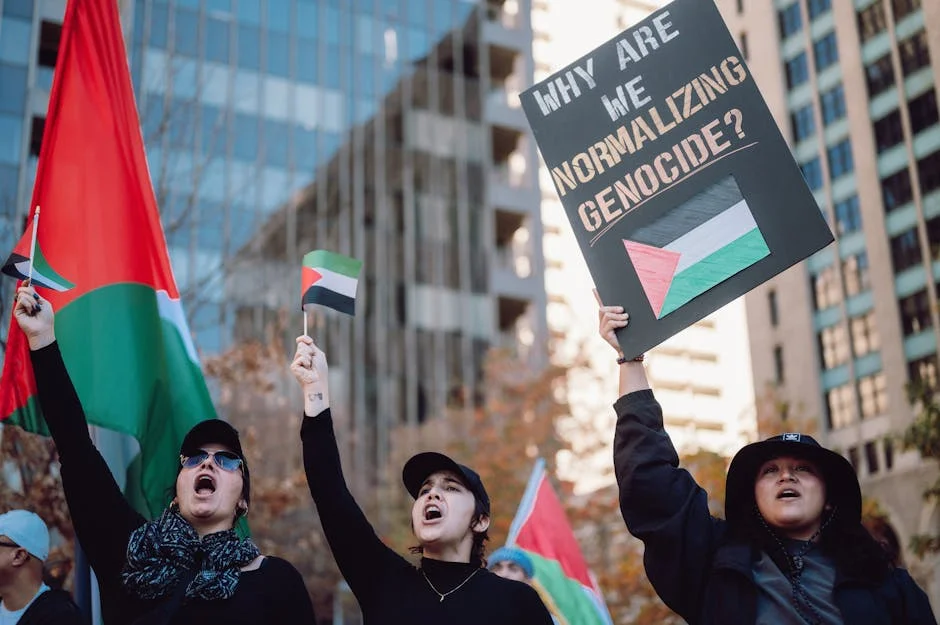
The strike has been particularly strong in Ramallah, the de facto capital of the Palestinian Authority, where thousands of protesters gathered in the city center. Demonstrators carried signs reading “No to the Death Penalty” and “Stop the War on Palestinians.” Social media has also played a key role in mobilizing support, with hashtags such as #NoDeathPenalty and #WestBankStrike trending across platforms. Local media outlets, including Channels Television, have reported that the protests have remained largely peaceful, though tensions remain high due to the presence of Israeli security forces in the region.
Analysts in the United States have noted that the strike reflects broader anxieties among Palestinians over their future under Israeli rule. Dr. Nasser Abufarha, a political scientist at the University of California, said the law “represents a dangerous shift in Israeli policy, one that prioritizes security over human rights and exacerbates the already fragile situation in the West Bank.” He added that the strike could have long-term implications for Palestinian solidarity and resistance efforts, particularly if it leads to further restrictions on movement and expression.
International Reactions and Potential Consequences
The U.S. State Department has called on Israel to “reconsider the use of the death penalty in this context,” while the European Union has expressed concern over the potential for human rights violations. However, the Biden administration has not yet taken a firm stance, with officials emphasizing the need for dialogue rather than direct intervention. This cautious approach has frustrated some Palestinian groups, who believe the U.S. has not done enough to support their cause. Meanwhile, regional powers such as Qatar and Turkey have voiced support for the Palestinian position, adding to the diplomatic pressure on Israel.
The implications of the strike and the new law are still unfolding. If the protests continue, they could lead to increased restrictions on Palestinian activities, including travel and assembly. There is also the possibility that the situation could escalate into more violent confrontations, particularly if Israeli security forces respond forcefully. For now, the focus remains on the immediate impact of the strike, with many Palestinians hoping it will force the Israeli government to reconsider its approach.
What’s Next for the West Bank?
As the strike continues, the Palestinian Authority is expected to push for international condemnation of the law, possibly through the United Nations or regional organizations. Meanwhile, Israeli lawmakers are likely to defend the legislation, framing it as a necessary measure to ensure security. The coming days will be critical in determining whether the strike can achieve its goals or if it will be met with further repression. For now, the people of the West Bank remain on high alert, with many fearing that the situation could spiral out of control without a meaningful resolution.
The broader implications of the strike extend beyond the immediate political context. It highlights the deepening divide between Palestinians and Israelis, as well as the growing role of international actors in shaping the region’s future. As the world watches, the question remains: will the West Bank’s call for justice be heard, or will the cycle of conflict continue to intensify?
Frequently Asked Questions
What is the latest news about palestinians launch strike against israeli death penalty law?
Palestinians in the West Bank have launched a widespread strike in response to a new Israeli law that expands the use of the death penalty for certain crimes, marking a significant escalation in tensions between the two sides.
Why does this matter for economy-business?
The move has drawn sharp criticism from Palestinian leaders and human rights groups, who argue that the legislation threatens the rights of Palestinians and deepens the humanitarian crisis in the region.
What are the key facts about palestinians launch strike against israeli death penalty law?
The law is seen by many as a response to a series of attacks on Israeli civilians, but it has been condemned by Palestinian officials as an attempt to further entrench Israeli control over the West Bank.