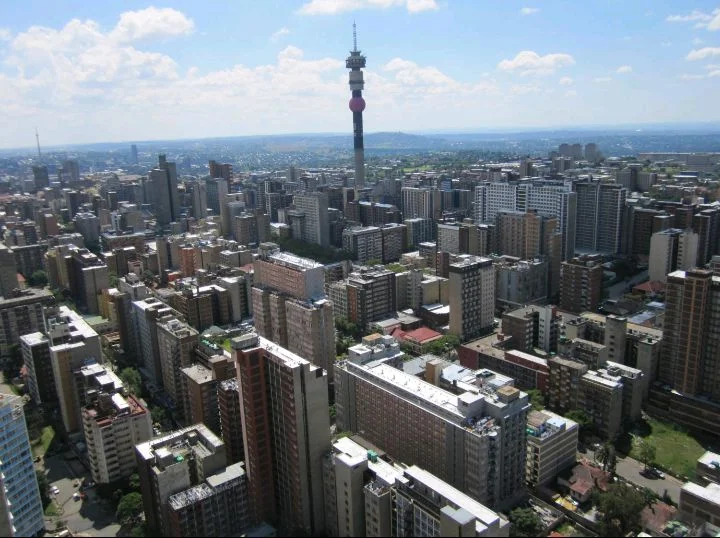
On March 30, 2026, South Africa unveiled a new national energy strategy aimed at addressing its ongoing electricity crisis, which has led to frequent rolling blackouts and economic disruption. The plan, announced by President Cyril Ramaphosa, includes investments in renewable energy, grid modernization, and partnerships with private sector firms to stabilize power supply. The move comes as the country faces mounting pressure from businesses and citizens struggling with unreliable electricity.
What Happened and Why It Matters

The South African government confirmed the launch of its Integrated Resource Plan 2026, a comprehensive blueprint for the country’s energy sector. The plan outlines a shift from coal-dominated power generation to a more diversified mix, including solar, wind, and battery storage. This follows years of underinvestment in energy infrastructure and the collapse of state-owned utility Eskom, which has been unable to meet demand. The crisis has cost the economy billions and disrupted daily life for millions.
The strategy also includes a call for private investment in renewable energy projects, which could attract foreign capital and create jobs. However, critics argue that the plan lacks concrete timelines and funding commitments. With South Africa’s energy demand expected to grow by 3% annually, the success of this strategy will be crucial for the country’s economic stability and global climate commitments.
Context and Background
South Africa has long relied on coal for over 80% of its electricity, with Eskom operating the majority of the country’s power plants. However, aging infrastructure, mismanagement, and a lack of maintenance have led to frequent power cuts, known locally as load-shedding. The situation worsened in 2023, when Eskom’s financial crisis forced the government to inject billions in bailouts. The energy crisis has also impacted neighboring countries, as regional power grids are interconnected.
International observers have warned that South Africa’s energy challenges could hinder its economic growth and climate goals. The country is a signatory to the Paris Agreement and has pledged to reduce emissions by 40% by 2030. However, the transition to cleaner energy requires significant investment, which the government has struggled to secure. The new energy plan is seen as a critical step in aligning South Africa’s energy policy with global sustainability targets.
What the Public and Businesses Are Saying


Citizens across South Africa have expressed mixed reactions to the new energy strategy. While some welcome the focus on renewables, many remain skeptical about the government’s ability to implement the plan effectively. “We’ve heard promises before,” said Thandiwe Mbeki, a small business owner in Johannesburg. “We need real action, not just talk.”
Business leaders have also voiced concerns. The South African Chamber of Commerce and Industry (SACCI) called for more transparency and a clear roadmap for energy reform. “Without reliable power, our industries cannot compete globally,” said SACCI CEO Sipho Mthembu. “This plan is a start, but it needs to be backed with concrete steps and funding.”
What Comes Next
The government has set a target of achieving 40% renewable energy by 2030, with a focus on solar and wind power. To achieve this, it will need to secure financing from international bodies such as the World Bank and the African Development Bank. The plan also includes a push for energy efficiency measures and the development of new transmission lines to reduce power losses.
However, the success of the initiative will depend on political will, regulatory reforms, and public-private collaboration. Analysts warn that without a stable policy environment, the transition to cleaner energy could face delays. The coming months will be critical in determining whether South Africa can break the cycle of energy instability and build a more sustainable future.
Frequently Asked Questions
What is the latest news about south africa launches new energy strategy amid rolling blackouts?
On March 30, 2026, South Africa unveiled a new national energy strategy aimed at addressing its ongoing electricity crisis, which has led to frequent rolling blackouts and economic disruption.
Why does this matter for economy-business?
The move comes as the country faces mounting pressure from businesses and citizens struggling with unreliable electricity.
What are the key facts about south africa launches new energy strategy amid rolling blackouts?
The plan outlines a shift from coal-dominated power generation to a more diversified mix, including solar, wind, and battery storage.