Norway has launched a new Arctic research initiative aimed at deepening global understanding of climate change and its impact on polar regions. The program, announced by the Norwegian government, will focus on environmental monitoring, sustainable resource management, and international collaboration. The move comes as the Arctic continues to experience rapid warming, with significant implications for global weather patterns and sea levels.
The initiative, named "Arctic Future," is backed by a $150 million investment over the next five years. It includes the establishment of a new research station in northern Norway, which will serve as a hub for scientists from around the world. The project also aims to support indigenous communities in the Arctic by incorporating traditional knowledge into scientific research.
Why Norway Matters in the Arctic
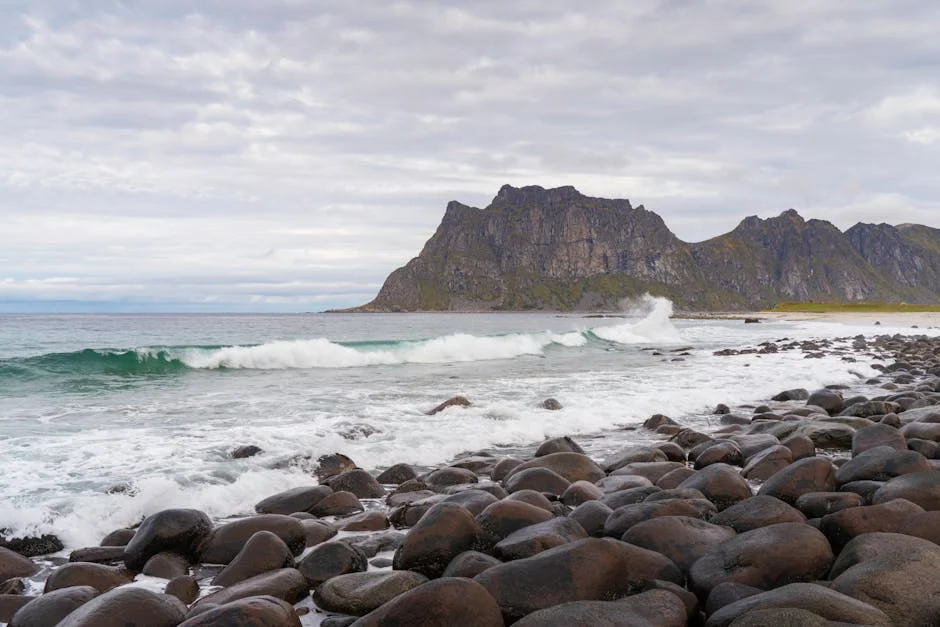
Norway has long been a key player in Arctic affairs, both geographically and politically. As one of the northernmost countries in Europe, it has a direct stake in the region's environmental and economic changes. The country has also been a vocal advocate for sustainable development and climate action, often taking a leadership role in international environmental agreements.
Recent data shows that the Arctic is warming at twice the global average, leading to melting ice caps, shifting ecosystems, and rising sea levels. Norway's new initiative is seen as a critical step in addressing these challenges, with the government emphasizing the need for science-based policies to protect the region.
Global Implications of the Initiative
The Arctic Future program is expected to have far-reaching consequences for climate science and policy. By fostering international collaboration, Norway aims to create a more comprehensive understanding of Arctic dynamics. This could lead to better-informed global strategies for mitigating climate change and adapting to its effects.
Experts suggest that the initiative could also influence the development of green technologies and sustainable industries in the region. Norway, already a leader in electric vehicle adoption and renewable energy, is positioning itself as a model for other Arctic nations seeking to balance economic growth with environmental protection.
What to Watch Next


As the program unfolds, attention will be on its effectiveness in driving meaningful research and policy outcomes. The involvement of indigenous groups and international partners will be a key factor in determining its success. Additionally, the initiative's funding and long-term sustainability will be closely monitored by both domestic and global stakeholders.
With the Arctic facing unprecedented changes, Norway's new research effort underscores the importance of proactive, science-driven approaches to climate challenges. The country's leadership in this area could set a precedent for other nations seeking to address the environmental and economic impacts of a rapidly changing planet.
How Norway's Actions Reflect Broader Trends
Norway's focus on Arctic research aligns with a growing global emphasis on climate resilience and sustainability. As countries grapple with the effects of climate change, the role of science and international cooperation has never been more critical. Norway's initiative highlights the need for coordinated efforts to protect vulnerable regions and ensure long-term environmental stability.
For readers interested in understanding why Norway matters in today's global landscape, this development offers a clear example of how a nation can leverage its resources and influence to shape the future of environmental policy. Norway's actions in the Arctic are not just a local concern — they are a global priority.