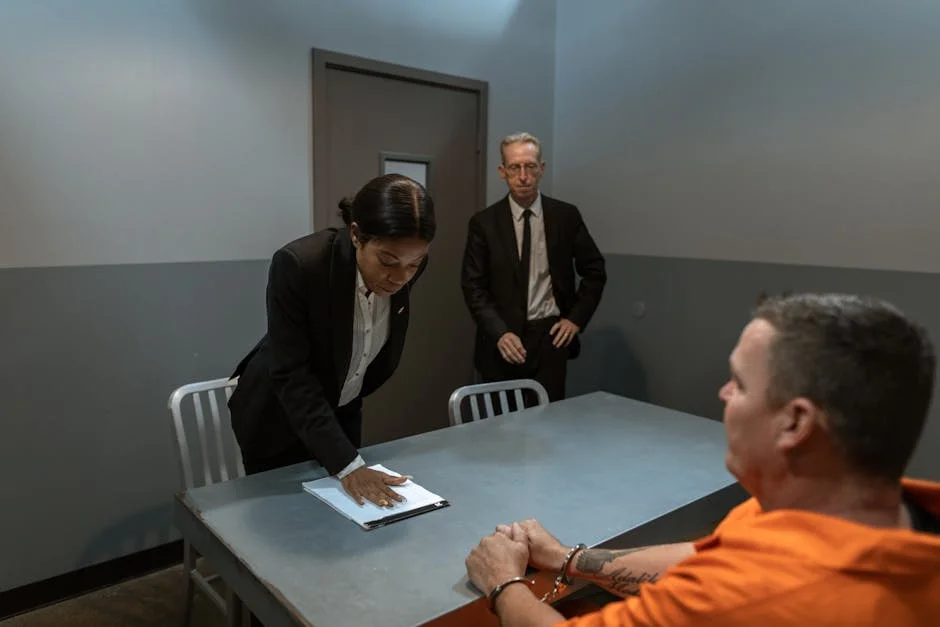
Nepal's former prime minister, KP Sharma Oli, has been arrested over his alleged role in a violent crackdown on a protest that resulted in multiple deaths. The arrest comes amid growing tensions in the South Asian nation, where political instability and public unrest have intensified in recent months. Oli, a key figure in Nepal's ruling Communist Party, is accused of inciting violence during a demonstration in June 2024, which led to the deaths of at least 12 people and injured dozens more. The incident has reignited concerns about the country's democratic governance and the rule of law.
Arrest Follows Deadly Protests
The protests, which began as a response to a controversial government decision to impose a new electoral framework, quickly escalated into violent clashes between demonstrators and security forces. Witnesses reported that security personnel used excessive force, including live ammunition, to disperse the crowds. The death toll and the subsequent public outcry led to widespread condemnation from human rights groups and opposition parties. The Nepal Police confirmed the arrest of Oli, who was in charge of the country's governance at the time of the protests, on charges of inciting violence and violating constitutional duties.
Oli's arrest marks a significant moment in Nepal's political landscape, as he has been a central figure in the country's governance for over a decade. His party, the Communist Party of Nepal (Unified Marxist–Leninist), has been involved in several political crises, including a constitutional dispute that led to the collapse of the previous government. The arrest has been welcomed by opposition leaders, who have long accused Oli of authoritarian tendencies and abuse of power. However, his supporters argue that the charges are politically motivated and part of a broader effort to weaken the ruling party.
Political and Social Implications
The arrest of Oli has sparked a debate over the state of democracy in Nepal, a nation that has struggled with political instability since the end of its decade-long civil war in 2006. The country has transitioned from a monarchy to a federal democratic republic, but frequent changes in government and weak institutions have left it vulnerable to power struggles. The incident has raised concerns that the government may be using the legal system to target political opponents, undermining the principles of fair governance.
Analysts say the case could have broader implications for Nepal's political future. The arrest may embolden opposition groups, but it could also lead to further polarization. "This is a test for Nepal's judiciary and its commitment to impartial justice," said Dr. Anjali Thapa, a political analyst at the Nepal Institute for Social and Economic Research. "If the charges are based on solid evidence, it could restore public trust in the legal system. But if it's a political move, it could deepen the crisis."
International Reactions and Concerns
The international community has closely watched the developments in Nepal, with the United States and other Western nations expressing concern over the country's democratic trajectory. The U.S. State Department issued a statement calling for an independent and transparent investigation into the protests, while also urging all parties to respect the rule of law. Nepal's strategic location and its role in regional stability have made it a focal point for international interest, particularly as tensions rise in South Asia.
Regional partners, including India, have also weighed in, emphasizing the need for political dialogue and peaceful resolution of disputes. India, which shares a long border with Nepal, has historically played a significant role in the country's affairs, and any political instability in Nepal is closely monitored. The arrest of Oli has not only intensified domestic debates but has also drawn attention to the broader challenges facing Nepal's democracy.
What Comes Next?
The next steps in the case will be closely followed by both domestic and international observers. Oli is expected to appear in court in the coming days, and his legal team has already begun challenging the charges. The outcome of the trial could shape the political landscape in Nepal, influencing public trust in the government and the judiciary. Meanwhile, opposition groups are calling for further reforms, including an independent electoral commission and stronger checks on executive power.
As Nepal navigates this critical moment, the case of Oli highlights the ongoing challenges of maintaining democratic governance in a country with a complex political history. The arrest is not just a domestic issue but one that resonates with broader discussions about power, accountability, and the future of democracy in South Asia.