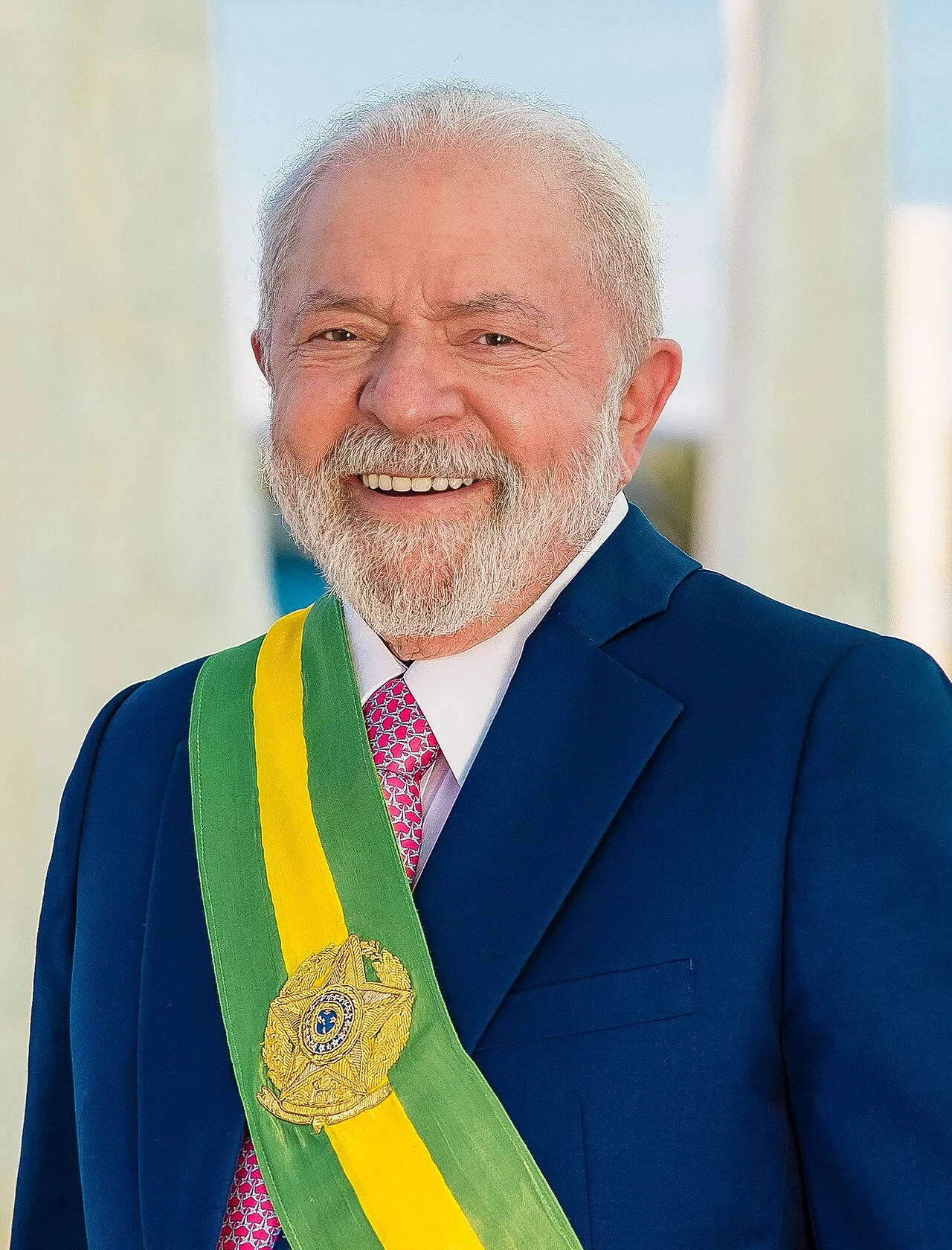
Myanmar's military junta has taken a significant step toward consolidating power by advancing the candidacy of its leader, General Min Aung Hlaing, for a civilian presidential role. The move, announced on Monday, marks a critical development in the country's ongoing political turmoil, which has seen the military seize control in a coup last year. The decision has raised concerns among international observers and regional allies, as it signals a potential shift toward a more entrenched military influence in the nation's governance.
Myanmar's Political Landscape Under Scrutiny
Myanmar's military has long maintained a dominant role in the country's political structure, even during periods of civilian rule. The 2021 coup, which ousted the democratically elected government of Aung San Suu Kyi, triggered widespread protests and a protracted conflict with ethnic armed groups. Since then, the junta has implemented a series of measures to solidify its authority, including the dissolution of the previous parliament and the establishment of a new regime. The recent push to place General Min Aung Hlaing in a civilian presidential position is seen as a strategic move to legitimize the junta's rule under a more formal constitutional framework.

Analysts warn that the move could further destabilize the country, as it undermines the already fragile democratic institutions. The junta's efforts to rebrand itself as a legitimate governing body have been met with skepticism, particularly by international partners who have imposed sanctions on Myanmar's military leadership. The United States and its allies have condemned the military's actions, citing concerns over human rights abuses and the erosion of democratic norms.
International Reactions and Regional Implications
The United States has been one of the most vocal critics of Myanmar's military rule, with the Biden administration imposing targeted sanctions on junta officials and cutting off aid to the country. However, the situation in Myanmar remains a complex issue for U.S. foreign policy, as the region's stability is closely tied to broader geopolitical interests. The junta's growing influence could have ripple effects on regional security, particularly in Southeast Asia, where Myanmar's neighbors are closely monitoring the situation.
Regional organizations such as the Association of Southeast Asian Nations (ASEAN) have called for dialogue and a peaceful resolution to the crisis, but progress has been slow. The junta's recent move to position General Min Aung Hlaing as a potential civilian president is likely to complicate these efforts, as it may further alienate the international community and deepen divisions within Myanmar itself.
Domestic Impact and Public Response

Within Myanmar, the announcement has been met with mixed reactions. While some segments of the population may view the move as a step toward stability, others see it as a continuation of the military's authoritarian grip. Protests have continued in various parts of the country, with opposition groups and civil society organizations condemning the junta's actions. The situation has also led to increased tensions between the military and ethnic minority groups, many of whom have been engaged in armed conflicts with the junta for decades.
Human rights groups have warned that the junta's consolidation of power could lead to further repression, including increased surveillance, censorship, and violence against dissenting voices. The International Crisis Group has called for increased international pressure on Myanmar's military leadership to respect human rights and restore democratic governance.
What Comes Next for Myanmar?
As Myanmar moves forward, the international community will be watching closely to see how the junta's actions evolve. The United States and its allies are likely to maintain a cautious approach, balancing diplomatic engagement with continued pressure on the military regime. Meanwhile, the people of Myanmar face an uncertain future, with the potential for further unrest and instability.
For U.S. policymakers, the situation in Myanmar remains a significant challenge. The country's political trajectory has far-reaching implications for regional security, human rights, and global governance. As the junta continues to consolidate power, the need for a coordinated and effective international response has never been more urgent.
Frequently Asked Questions
What is the latest news about myanmar junta chief seeks civilian presidency amid political shift?
Myanmar's military junta has taken a significant step toward consolidating power by advancing the candidacy of its leader, General Min Aung Hlaing, for a civilian presidential role.
Why does this matter for politics-governance?
The decision has raised concerns among international observers and regional allies, as it signals a potential shift toward a more entrenched military influence in the nation's governance.
What are the key facts about myanmar junta chief seeks civilian presidency amid political shift?
The 2021 coup, which ousted the democratically elected government of Aung San Suu Kyi, triggered widespread protests and a protracted conflict with ethnic armed groups.