Portugal marked the annual Earth Hour event today with over 100 municipalities participating in a coordinated effort to raise awareness about energy conservation and climate change. The initiative, part of the global Earth Hour movement, saw cities across the country dimming lights and shutting down non-essential electricity usage for one hour to highlight the importance of sustainable practices.
The event, organized by the Portuguese branch of the World Wildlife Fund (WWF), took place at 8:30 PM local time, with participants including major cities like Lisbon, Porto, and Coimbra. The campaign aims to encourage both individuals and businesses to adopt long-term energy-saving measures, even beyond the one-hour event.
Earth Hour in Portugal: A Growing Movement

Earth Hour, which began in 2007 in Sydney, Australia, has grown into a global phenomenon, with over 180 countries participating annually. In Portugal, the event has gained momentum in recent years, with more municipalities joining each year. This year’s participation marks a significant increase from previous years, reflecting a growing public concern over climate change and energy sustainability.
According to the WWF Portugal, the 100+ municipalities involved in this year’s campaign represent over 40% of the country’s population. The initiative is part of a broader national strategy to reduce carbon emissions and meet the European Union’s climate goals by 2030. The event also coincided with a national debate on renewable energy investment and energy efficiency policies.
Why Earth Hour Matters in Portugal
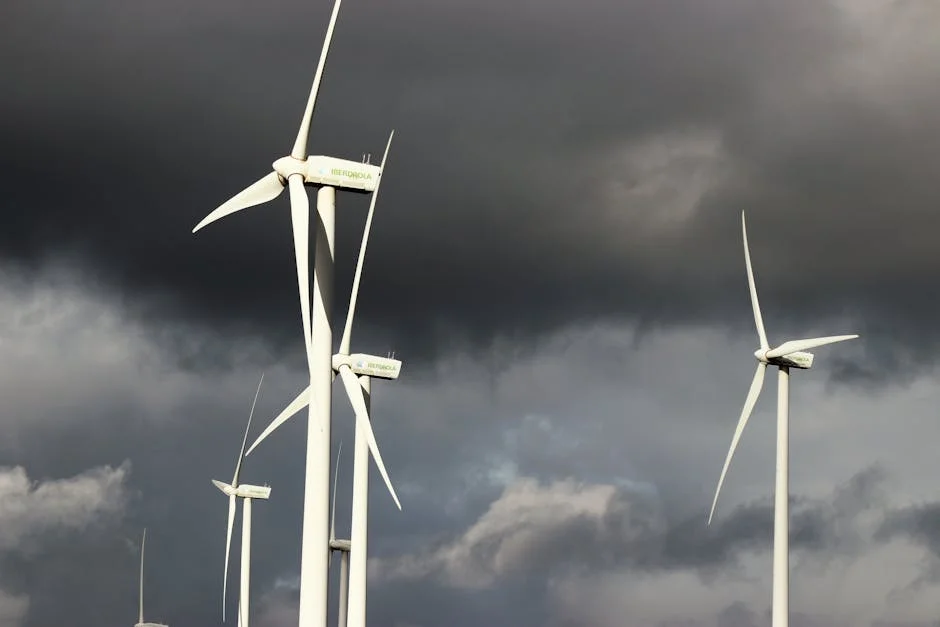
Portugal has been a leader in renewable energy adoption, with over 50% of its electricity generated from renewable sources in 2023. However, the country still faces challenges in reducing overall energy consumption and transitioning to a fully sustainable energy model. Earth Hour serves as a symbolic yet impactful reminder of the need for continued efforts in this area.
Environmental groups have praised the increased participation in Earth Hour as a positive sign of public engagement. “This event is not just about turning off lights for an hour,” said Ana Ferreira, a spokesperson for Greenpeace Portugal. “It’s about sparking a conversation about how we can live more sustainably every day.”
Global Implications of Earth Hour


While Earth Hour is primarily a local initiative, its impact is felt on a global scale. The event has inspired similar movements worldwide, with over 1 billion people participating in the past decade. In the context of international climate discussions, such as the upcoming UN Climate Summit, Earth Hour reinforces the importance of collective action.
Experts suggest that the event also has indirect economic and environmental benefits. By promoting energy conservation, it can reduce electricity demand, lower carbon emissions, and encourage investment in green technologies. In the United States, for example, similar initiatives have led to increased awareness of energy use and spurred policy changes at the state level.
What to Watch Next
As the Earth Hour movement continues to grow in Portugal, it will be important to track how the increased public engagement translates into long-term policy changes. The government has already announced plans to expand renewable energy infrastructure and implement stricter energy efficiency standards in the coming years.
For U.S. readers, the event highlights how environmental movements in other countries can influence global climate policy and public behavior. As climate change remains a pressing issue, the lessons from Earth Hour in Portugal may offer valuable insights for other nations seeking to reduce their carbon footprints.