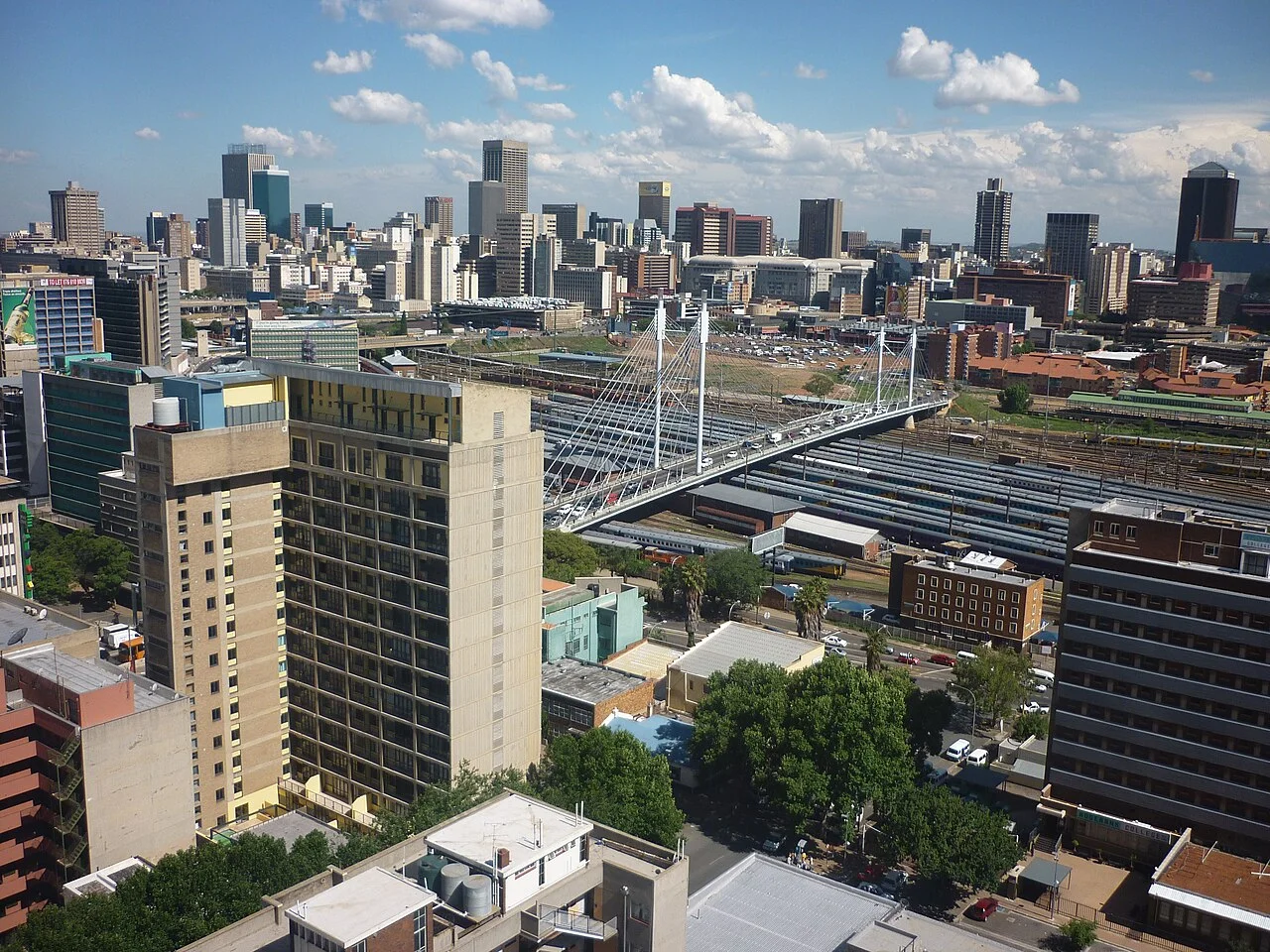
A new survey has revealed the price at which South Africans would stop purchasing their beloved coffee, highlighting growing concerns over inflation and the affordability of everyday essentials. The survey, conducted by a local market research firm, surveyed over 2,000 consumers across major cities, including Johannesburg, Cape Town, and Durban, and found that the average threshold for refusing coffee was R35 (approximately $2.30). This comes amid a broader economic slowdown and rising living costs in the country.
Survey Details and Consumer Sentiment
The survey asked participants at what price they would no longer buy coffee, whether from a café or as a packaged product. Over 60% of respondents said they would stop buying coffee if the price exceeded R30, with 35% stating they would cut it off entirely at R35. The data reflects a growing sensitivity to price increases, as South Africans face a 7.2% inflation rate, the highest in over a decade.
“Coffee is more than just a drink for us—it's a social ritual,” said one respondent from Johannesburg. “But when the price keeps going up, we have to make choices.” The survey also found that younger consumers, aged 18–35, were more likely to reduce or stop coffee consumption compared to older age groups, indicating a shift in spending habits among the country's youth.
Context: Coffee Culture in South Africa
Coffee is deeply embedded in South African culture, with cafés and street vendors playing a central role in daily life. The country has seen a surge in specialty coffee shops over the past decade, with brands like Black Coffee and Caffè Nero expanding rapidly. However, this growth has been accompanied by rising costs, as both imported beans and local production face pressure from currency fluctuations and supply chain disruptions.
“The cost of coffee has been rising steadily, and this survey shows that people are feeling the pinch,” said a local economist. “It’s not just about the price of the drink—it’s about the broader economic environment that’s forcing consumers to make tough decisions.”
Broader Economic Implications


The survey highlights a broader issue facing South Africans: the impact of inflation on daily life. With the cost of living crisis affecting households across the country, consumers are increasingly prioritizing essential expenses over discretionary ones. This shift could have long-term implications for businesses, particularly in the food and beverage sector.
“If consumers are cutting back on coffee, it could signal a larger trend of reduced spending on non-essentials,” said a business analyst. “This could affect not only local coffee shops but also the supply chain, including farmers and importers.”
What to Watch Next
As inflation remains a key concern, the coffee industry may need to adapt to changing consumer behavior. Some businesses have already begun offering smaller portions or cheaper alternatives to retain customers. However, the survey suggests that without broader economic relief, South Africans may continue to reduce their coffee consumption, with potential ripple effects on the market.
For now, the message is clear: South Africans are reaching their limit when it comes to coffee prices, and the industry must respond to a shifting landscape. With the United States also facing its own inflation challenges, the situation in South Africa serves as a reminder of the global impact of rising living costs.