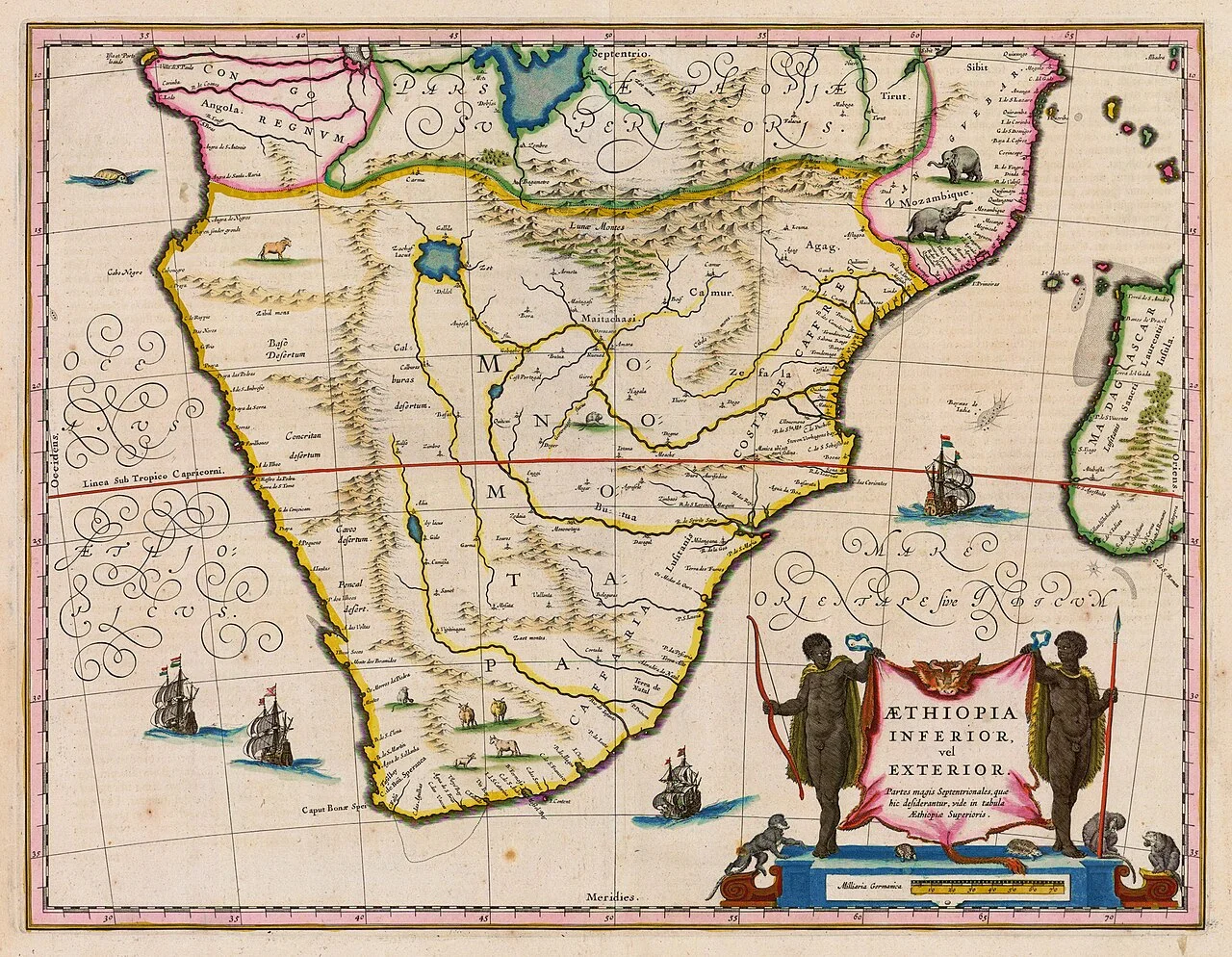
South Africa's proposed constitutional reforms have sparked a fierce debate, with the Church Defenders of Durban leading the charge against what they see as an overreach by the government. The new regulations, introduced by the country's Constitutional Review Committee, have raised concerns about the balance of power, religious freedom, and the role of civil society in governance.
The proposed changes aim to modernise the country's constitutional framework, but critics argue that they undermine the separation of church and state. The Church Defenders, a group based in Durban, claim the reforms could allow the government to exert greater control over religious institutions, which they say violates the principles of the South African Constitution.
What the Proposed Changes Entail

The proposed regulations include provisions that would require religious organisations to register with the government and disclose their financial activities. The government argues that this is necessary to ensure transparency and prevent the misuse of funds for illegal or anti-constitutional activities. However, the Church Defenders say this is an unnecessary and invasive measure that could be used to target religious groups that oppose government policies.
According to the group's spokesperson, the reforms could also impact the independence of religious institutions in decision-making processes. "This is not just about registration — it's about control," they said. "If the government can dictate how religious organisations operate, it sets a dangerous precedent for other civil society groups."
The South African Constitution, adopted in 1996, is widely regarded as one of the most progressive in the world. It enshrines the rights to freedom of religion, speech, and assembly, and has been a cornerstone of the country's post-apartheid democracy. However, the proposed changes have reignited debates about the limits of state power and the protection of civil liberties.
Why This Matters for South Africa and Beyond
The controversy has drawn attention from legal experts and human rights organisations, who are closely monitoring the situation. The South Africa developments have also raised questions about the country's commitment to constitutional principles, particularly at a time when democratic institutions worldwide are under increasing pressure.
Analysts suggest that the debate reflects broader tensions in South African society, where religious and civil groups often clash with the government over issues of governance and accountability. The Church Defenders' challenge could set a precedent for how future constitutional reforms are handled, particularly in relation to the rights of religious and civic organisations.
While the immediate impact of the proposed changes is uncertain, the controversy highlights the ongoing importance of the Constitution in shaping South Africa's political and social landscape. For the United States and other democracies, the situation serves as a reminder of the delicate balance between state authority and individual freedoms.
What Comes Next?

The Constitutional Review Committee has not yet responded to the Church Defenders' concerns, but the group has vowed to continue its campaign. They plan to file a formal petition with the Constitutional Court, arguing that the proposed regulations violate the spirit of the Constitution.
Legal experts say the case could take months to resolve, and in the meantime, the debate is likely to intensify. The outcome will have significant implications for how religious organisations operate in South Africa and how the government interacts with civil society.
For now, the Church Defenders remain defiant, insisting that the fight is not just about their own rights, but about the future of democracy in South Africa. "This is about protecting the Constitution," they said. "If we let this happen, what's next?"
Looking Ahead
As the legal battle unfolds, the situation will be closely watched by both domestic and international observers. The South Africa impact on the United States and other countries will depend on how the government handles the dispute and whether it upholds its constitutional commitments.
The Constitution news today underscores the ongoing relevance of constitutional governance in maintaining democratic stability. For South Africa, the debate over the proposed reforms is not just a legal issue — it's a test of the country's values and its ability to protect the rights of all citizens.
With the constitutional economy update expected in the coming months, the government will face increasing pressure to balance reform with the protection of civil liberties. Whether it can do so without undermining public trust remains to be seen.