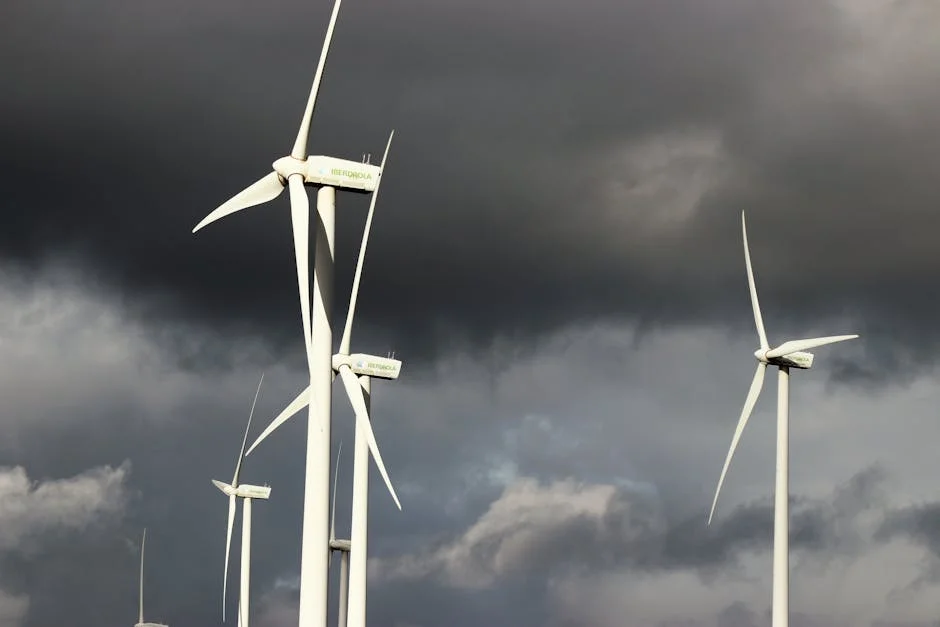
Namibia has announced a major expansion of its renewable energy infrastructure, aiming to boost solar and wind power capacity by 2030. However, environmental groups warn that the projects could threaten the habitats of the country's native African penguins, raising concerns about the balance between green energy and conservation efforts.
The Namibian government unveiled the plan as part of its broader strategy to reduce reliance on fossil fuels and meet international climate commitments. The initiative includes the construction of several large-scale solar farms and wind turbines along the country’s coastal regions, which are also home to significant penguin colonies.
Green Energy Ambitions and Environmental Concerns

The new energy projects are part of Namibia’s National Energy Policy, which seeks to generate 50% of the country’s electricity from renewable sources by 2030. The government has already signed agreements with international partners to fund and develop the infrastructure, including a $1.2 billion solar farm near the coastal city of Walvis Bay.
However, conservationists argue that the proposed sites overlap with critical breeding and feeding grounds for the African penguin, a species classified as vulnerable by the IUCN. The penguin population has declined by over 70% in the past 50 years, primarily due to habitat loss, overfishing, and climate change. Environmental organizations, including the Namibia Nature Foundation, have raised alarms about the potential impact of the energy projects on the local ecosystem.
Historical Context and Conservation Efforts
Namibia has long been a leader in conservation, with a network of protected areas and wildlife reserves. The country’s coastline is one of the few places in the world where African penguins can be found, and the region has been a focus of conservation efforts for decades. Local and international NGOs have worked to protect penguin habitats through habitat restoration and sustainable fishing policies.
Despite these efforts, the penguin population continues to face threats from human activity. The expansion of renewable energy projects, while beneficial for reducing carbon emissions, has raised questions about whether the environmental costs could outweigh the benefits. Some scientists warn that the construction of infrastructure and increased human activity in these areas could disrupt penguin behavior and nesting patterns.
Government and Industry Response

A spokesperson for the Namibian Ministry of Environment and Tourism stated that the government is committed to balancing energy development with environmental protection. “We are working closely with environmental experts to ensure that our renewable energy projects do not harm local wildlife,” the spokesperson said. “This includes conducting thorough environmental impact assessments and implementing mitigation strategies.”
The energy sector has also emphasized its commitment to sustainability. A representative from one of the private companies involved in the solar farm project said, “We are developing the project with the environment in mind. We are incorporating measures to minimize disturbance to the local ecosystem, including timing construction activities to avoid penguin breeding seasons.”
What’s Next and Why It Matters
Environmental groups are urging the government to adopt stricter environmental safeguards and to consider alternative locations for the energy projects. They argue that the long-term health of the penguin population and the broader marine ecosystem should be a priority in the planning process.
The situation in Namibia highlights the global challenge of balancing renewable energy development with biodiversity conservation. As countries around the world pursue green energy solutions, the case of Namibia’s penguins serves as a reminder that the transition to a sustainable future must be carefully managed to avoid unintended ecological consequences.
Frequently Asked Questions
What is the latest news about namibia launches green energy plan amid penguin habitat threats?
Namibia has announced a major expansion of its renewable energy infrastructure, aiming to boost solar and wind power capacity by 2030.
Why does this matter for environment-nature?
The Namibian government unveiled the plan as part of its broader strategy to reduce reliance on fossil fuels and meet international climate commitments.
What are the key facts about namibia launches green energy plan amid penguin habitat threats?
Green Energy Ambitions and Environmental Concerns The new energy projects are part of Namibia’s National Energy Policy, which seeks to generate 50% of the country’s electricity from renewable sources by 2030.