In 2026, the Western United States is experiencing an historic snow drought that has left water officials and residents deeply concerned. The region, which relies heavily on snowpack for its water supply, has seen significantly lower-than-average snowfall, raising fears of water shortages and long-term environmental impacts. This crisis is already affecting agriculture, urban areas, and ecosystems across the West.
What Caused the Snow Drought?
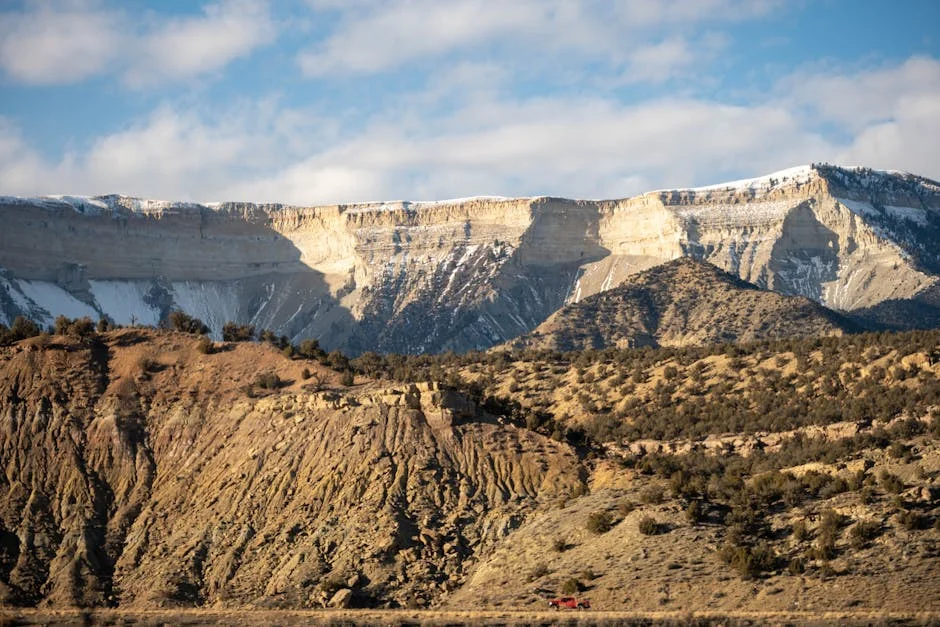
The 2026 snow drought is the result of a combination of climate patterns and rising global temperatures. A persistent high-pressure ridge over the Pacific has blocked moisture-laden storms from reaching the West, while warmer temperatures have caused what little snow does fall to melt earlier than usual. According to the National Oceanic and Atmospheric Administration (NOAA), snowpack levels in key regions like the Sierra Nevada and the Colorado Rockies are at their lowest in over 50 years.
Experts say the trend is consistent with broader climate change patterns. Dr. Emily Carter, a climatologist at the University of California, said, “This is not a one-off event. The West is facing a new normal where snowpack is becoming less reliable, and that has major implications for water management.”
Why Does It Matter for the West?
The Western United States depends on snowpack to provide up to 80% of its water supply. As snow melts gradually throughout the spring and summer, it replenishes reservoirs, rivers, and groundwater. The early and reduced snowmelt is causing reservoirs to fill more slowly than expected, threatening both urban and agricultural users.
California, which is already experiencing a multi-year drought, is particularly vulnerable. The state’s Central Valley, a major agricultural hub, is facing reduced irrigation water, which could lead to lower crop yields and higher food prices. In the Colorado River Basin, which serves 40 million people, water levels in key reservoirs like Lake Mead and Lake Powell are at historic lows, increasing the risk of water rationing.
What Are the Broader Implications?
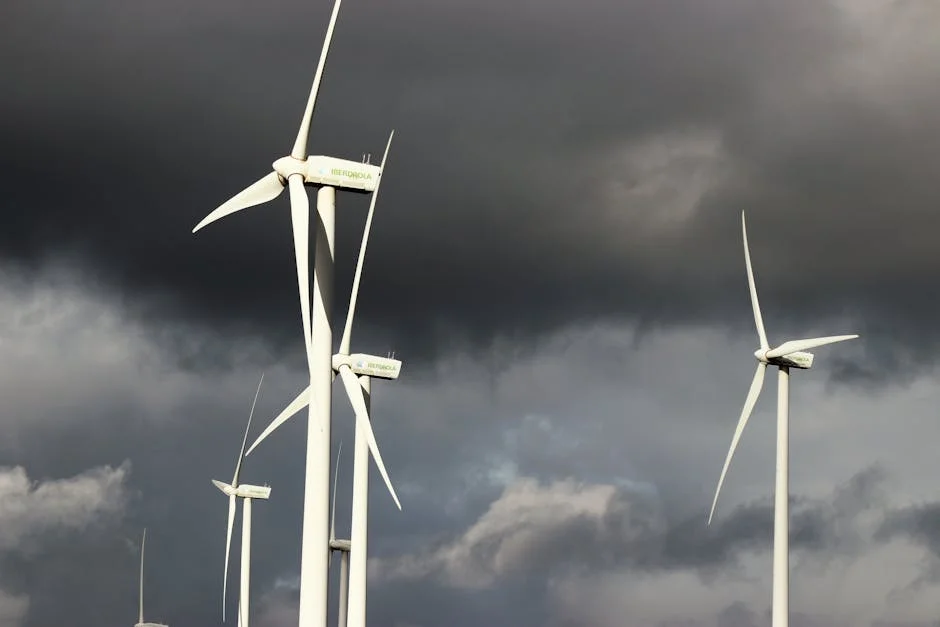

The snow drought is not just a local issue — it has national and global implications. The West is a major producer of fruits, nuts, and vegetables, and any disruption to agricultural output could ripple through the U.S. food supply chain. Additionally, the region’s energy grid, which relies heavily on hydropower, is under pressure as water levels drop, reducing electricity generation capacity.
Environmental groups warn that the loss of snowpack is also harming ecosystems. Rivers that typically flow from melting snow are drying up, threatening fish populations and wildlife habitats. “This is a warning sign that we need to rethink how we manage water in the West,” said Mark Thompson, a representative from the Sierra Club.
What Comes Next?
Water officials in the West are scrambling to manage the crisis. Some states are implementing emergency water conservation measures, while others are exploring new sources of water, including desalination and wastewater recycling. However, many experts argue that long-term solutions are needed, such as investing in water infrastructure and promoting sustainable land use practices.
The 2026 snow drought has underscored the growing urgency of climate adaptation in the West. As temperatures continue to rise, the region must find new ways to ensure water security for its residents, industries, and ecosystems. For now, the focus remains on mitigating the immediate impacts of the drought and preparing for a future where snowpack may no longer be a reliable source of water.
Frequently Asked Questions
What is the latest news about western states face historic snow drought water supplies at risk?
In 2026, the Western United States is experiencing an historic snow drought that has left water officials and residents deeply concerned.
Why does this matter for environment-nature?
This crisis is already affecting agriculture, urban areas, and ecosystems across the West.
What are the key facts about western states face historic snow drought water supplies at risk?
A persistent high-pressure ridge over the Pacific has blocked moisture-laden storms from reaching the West, while warmer temperatures have caused what little snow does fall to melt earlier than usual.