The UK government has announced plans to trial social media bans and digital curfews for teenagers as part of a broader effort to address concerns over online safety and mental health. The initiative, which will be rolled out in select regions, aims to limit young people's access to platforms like Instagram, TikTok, and Snapchat during late hours and to restrict their use in certain circumstances. The move follows growing public and political pressure to tackle the impact of social media on youth.
What the Trial Involves
The trial, set to begin in early 2025, will involve a combination of digital curfews and content restrictions for users under 18. The government has not yet specified the exact hours of the curfews, but officials have indicated they may apply during late evenings and overnight. In addition, the trial will explore the use of parental controls and platform-specific restrictions to limit exposure to harmful content. The initiative is part of a wider digital safety strategy outlined by the Department for Digital, Culture, Media and Sport (DCMS).
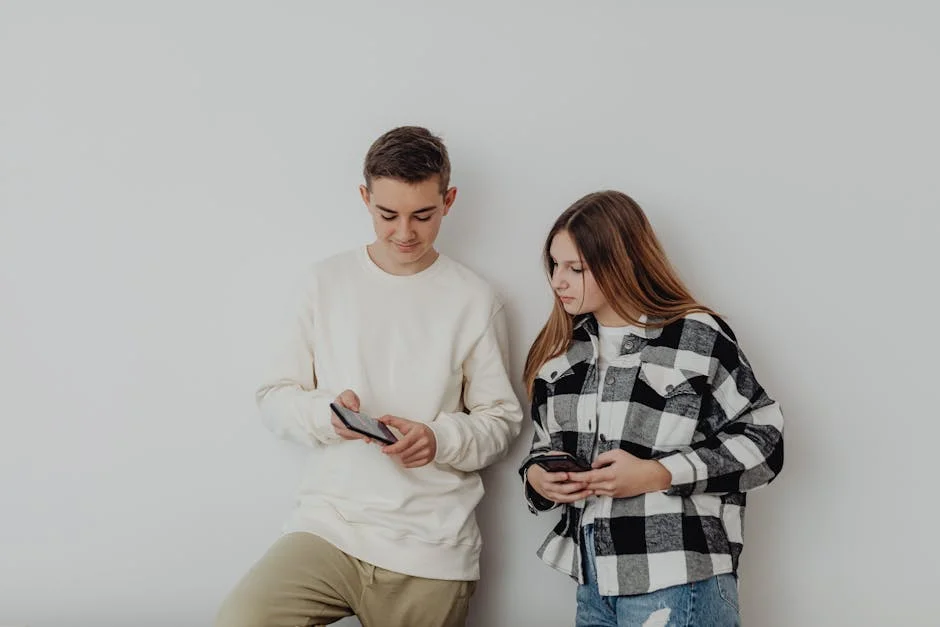
Ministers have emphasized that the trial is not a full ban but a measured approach to encourage safer online habits. However, the proposal has already sparked debate among tech companies, educators, and child welfare groups. Some argue that such measures could infringe on digital rights, while others believe they are necessary to protect young users from cyberbullying, misinformation, and mental health issues linked to excessive screen time.
Why This Matters
The UK has long been at the forefront of digital regulation, with the Online Safety Act 2023 already imposing new obligations on social media platforms to protect users from harmful content. The new trial builds on that framework, reflecting a growing concern about the impact of social media on adolescent well-being. Recent studies have shown a correlation between heavy social media use and increased rates of anxiety, depression, and sleep disturbances among teenagers.
Health professionals and educators have welcomed the initiative as a step toward addressing these challenges. However, some experts caution that the effectiveness of such measures remains unproven. They argue that a more comprehensive approach, including digital literacy education and open dialogue between parents and children, may be more effective than strict restrictions.
Reactions and Concerns


Technology companies have expressed concerns about the potential impact of the trial on user experience and platform functionality. A spokesperson for Meta, which owns Instagram and Facebook, stated that the company is committed to protecting young users but warned that overly restrictive measures could limit their ability to connect with peers and access educational resources. Similar concerns have been raised by other platforms, which argue that the trial may not address the root causes of online harm.
Child welfare organizations have taken a more nuanced stance. While some support the initiative, others stress the importance of balancing safety with the need for digital access. "Teenagers need to learn how to navigate the online world responsibly," said a representative from a leading child advocacy group. "We must ensure that any measures taken do not hinder their ability to engage with positive content and support networks."
What Comes Next
The trial will be closely monitored by government officials, who will evaluate its effectiveness before deciding on a potential nationwide rollout. The results of the pilot will be published in early 2025, with further consultations expected to take place. Meanwhile, the debate over the role of social media in young people's lives is expected to continue, with both supporters and critics weighing in on the long-term implications of the policy.
As the UK moves forward with this unprecedented approach, the focus will remain on finding a balance between protecting teenagers and preserving their digital freedoms. The outcome of the trial could set a precedent for how other countries approach similar challenges in the future.