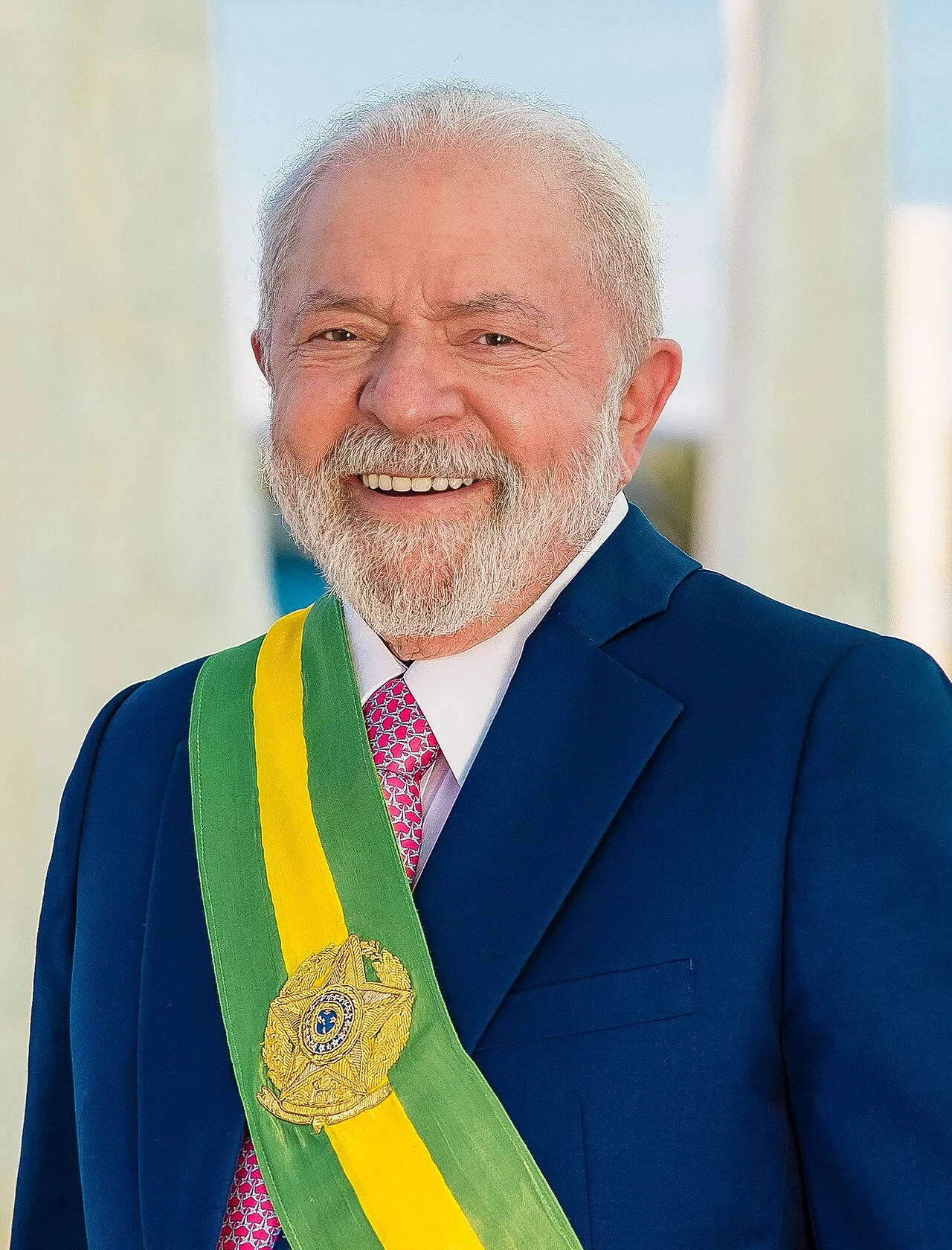
Nicolás Maduro, the president of Venezuela, has appeared in a federal court in New York on charges of drug trafficking, marking a significant development in the ongoing legal and political tensions between the Venezuelan government and the United States. The case, brought by U.S. prosecutors, alleges that Maduro and his associates facilitated the smuggling of narcotics into the U.S., a claim the Venezuelan leader has consistently denied. The hearing took place at the U.S. District Court for the Southern District of New York, where the case is being handled.
Legal Proceedings and Charges
The charges against Maduro stem from a U.S. indictment unsealed in 2020, which accused him of being part of a "transnational criminal organization" that trafficked cocaine from Venezuela to the United States. The indictment also named several officials from Maduro's administration, alleging that they used government resources to support the drug trade. The case has been a focal point of U.S. efforts to pressure the Venezuelan government, which has been under international scrutiny for years over its economic and political crisis.

Maduro's appearance in court was a rare public display of cooperation with U.S. authorities, as the two nations have maintained a tense relationship for over a decade. The Venezuelan president, who has long denied the allegations, has previously accused the U.S. of interfering in Venezuela's internal affairs. The legal proceedings are expected to continue in the coming months, with the U.S. government seeking to build a case that could lead to Maduro's extradition if convicted.
Context and Implications
The case against Maduro is part of a broader strategy by the U.S. to counter drug trafficking networks in Latin America, particularly those linked to countries with unstable governments. Venezuela, which has seen a surge in drug production and trafficking in recent years, has become a key focus for U.S. law enforcement. The country's economic collapse and political instability have created conditions that enable criminal groups to operate with relative impunity.
For Venezuela, the charges represent another layer of external pressure amid an already dire situation. The nation is facing hyperinflation, food shortages, and a mass exodus of its population. The U.S. has imposed sanctions on Maduro and his allies, further isolating the country on the global stage. However, Maduro has maintained strong support among his base, and the legal case could be seen as an attempt to undermine his political legitimacy.
International Reactions and Next Steps


The case has drawn mixed reactions from the international community. While the U.S. has framed the charges as a necessary step to combat drug trafficking, critics argue that the legal action is politically motivated. The Venezuelan government has denounced the proceedings as an attempt to interfere in its sovereignty, while human rights organizations have called for a fair and transparent trial.
As the legal battle unfolds, the outcome could have far-reaching implications for U.S.-Venezuela relations and the broader fight against drug trafficking in the region. The case also raises questions about the role of international courts in addressing corruption and organized crime in politically sensitive contexts.
What to Watch Next
Legal experts are closely monitoring the case, as it could set a precedent for how U.S. courts handle high-profile international figures accused of drug-related crimes. The next major developments will likely include further court hearings and the presentation of evidence by both sides. Meanwhile, the Venezuelan government is expected to continue its efforts to counter the charges and maintain its narrative of U.S. interference.
The situation highlights the complex intersection of law, politics, and international relations in the modern era. As the case progresses, it will remain a key issue for both U.S. and Venezuelan audiences, with significant implications for the future of the region.