Singapore has announced a major push toward renewable energy as global energy prices continue to rise, signaling a strategic shift in the city-state’s approach to energy security and sustainability. The move comes as the island nation grapples with the economic and environmental pressures of a rapidly changing energy landscape. With limited land and no natural resources, Singapore has long relied on imported fossil fuels, but recent price volatility has accelerated its transition toward cleaner alternatives.
Singapore’s Energy Strategy Under Pressure
As global energy markets remain volatile, Singapore has been forced to reassess its energy mix. The government has pledged to increase the share of solar energy in its electricity generation to 2 gigawatts by 2030, up from the current 1.2 gigawatts. This expansion includes large-scale solar farms and rooftop installations across residential and commercial buildings. The decision reflects a broader effort to reduce the country's carbon footprint and mitigate the impact of global energy price shocks.
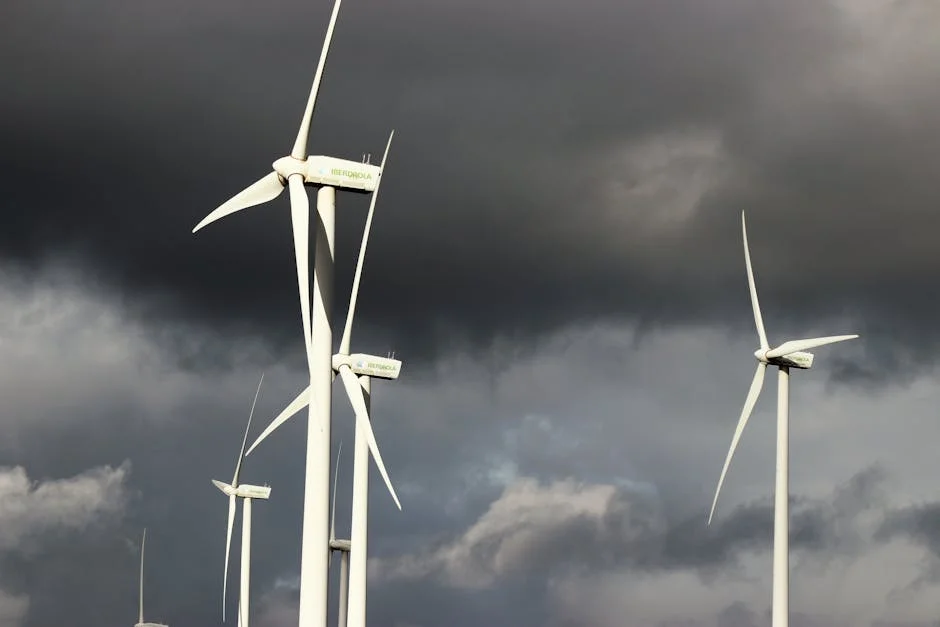
Despite its small size, Singapore is one of the world’s most energy-efficient economies. However, its reliance on imported oil and gas makes it particularly vulnerable to geopolitical tensions and supply chain disruptions. The recent surge in oil prices has further highlighted the risks of over-dependence on fossil fuels, prompting officials to accelerate investments in renewable energy and energy storage technologies.
Renewable Energy Investments Gain Momentum
Singapore’s Ministry of Trade and Industry has launched a new initiative to support the development of solar energy and other renewable sources. The government has also partnered with private sector firms to explore innovative solutions, such as floating solar farms on reservoirs and offshore wind projects. These measures aim to diversify the energy supply and enhance long-term resilience.
Local energy companies have welcomed the policy shift, with several announcing new investments in solar infrastructure. For example, SP Group, one of Singapore’s largest energy providers, has pledged to expand its solar capacity by 50% over the next five years. The move is expected to create thousands of jobs and drive technological innovation in the energy sector.
Global Implications of Singapore’s Energy Shift


Singapore’s approach to energy transition is being closely watched by other small, resource-scarce nations. As a global trade hub and economic powerhouse, its decisions have ripple effects across the region. The city-state’s focus on solar and energy efficiency could serve as a model for other countries facing similar challenges.
Analysts say Singapore’s energy strategy also reflects broader trends in the global energy sector. With climate change and energy security becoming top priorities, more countries are rethinking their energy policies. Singapore’s proactive stance may influence regional cooperation and investment in clean energy technologies, particularly in Southeast Asia.
Challenges and Future Outlook
Despite the progress, Singapore faces several challenges in its renewable energy transition. Limited land availability and high initial costs are significant barriers to scaling up solar and other renewable sources. The government has acknowledged these hurdles and is exploring ways to optimize land use and reduce investment risks for private developers.
Looking ahead, Singapore’s energy strategy will likely continue to evolve in response to global market conditions and technological advancements. The government has also expressed interest in exploring nuclear energy as a potential long-term solution, though this remains a topic of debate due to safety and public perception concerns. For now, the focus remains on accelerating the adoption of renewable energy to ensure a stable and sustainable future.
Frequently Asked Questions
What is the latest news about singapore boosts renewable energy amid rising costs?
Singapore has announced a major push toward renewable energy as global energy prices continue to rise, signaling a strategic shift in the city-state’s approach to energy security and sustainability.
Why does this matter for environment-nature?
With limited land and no natural resources, Singapore has long relied on imported fossil fuels, but recent price volatility has accelerated its transition toward cleaner alternatives.
What are the key facts about singapore boosts renewable energy amid rising costs?
The government has pledged to increase the share of solar energy in its electricity generation to 2 gigawatts by 2030, up from the current 1.2 gigawatts.