Oil prices fell on Wednesday as markets reacted to growing optimism that tensions in the Middle East could be easing. The decline came after a series of diplomatic efforts and statements from regional leaders, which suggested a potential pause in hostilities. The drop was most notable in Brent crude, which fell by 3.2% to $78.50 per barrel, while U.S. West Texas Intermediate (WTI) dipped by 2.8% to $75.30. The shift in sentiment has raised questions about the future of energy markets and the broader implications for global economies.
What Caused the Price Drop?
The decline in oil prices was driven by a combination of geopolitical and economic factors. Analysts pointed to a series of diplomatic meetings between regional powers, including the United States and key Gulf states, which suggested a possible cooling of tensions. Additionally, a statement from the United Nations Security Council called for an immediate de-escalation, which further bolstered investor confidence. The market had been on edge following weeks of heightened volatility, with prices fluctuating based on reports of military movements and trade disruptions.

Traders also noted that the weakening U.S. dollar contributed to the decline, as oil is priced in dollars. A weaker dollar makes oil more attractive to buyers using other currencies, which can lead to increased demand and lower prices. However, this effect was not as significant as the geopolitical factors influencing the market.
Why Does This Matter for the United States?
The drop in oil prices has immediate implications for the U.S. economy, particularly for consumers and businesses. Lower oil prices typically translate to cheaper gasoline, which can provide relief at the pump. However, the impact is not uniform, as U.S. oil producers may face financial challenges if prices remain low for an extended period. The U.S. government has been closely monitoring the situation, with officials from the Department of Energy expressing cautious optimism about the potential for stability in energy markets.
Analysts also highlighted the broader economic implications. A drop in oil prices can affect inflation rates, as energy costs are a key component of the consumer price index. This could influence the Federal Reserve's monetary policy decisions, which in turn could impact interest rates and borrowing costs for consumers and businesses alike.
What Is the Broader Regional Context?

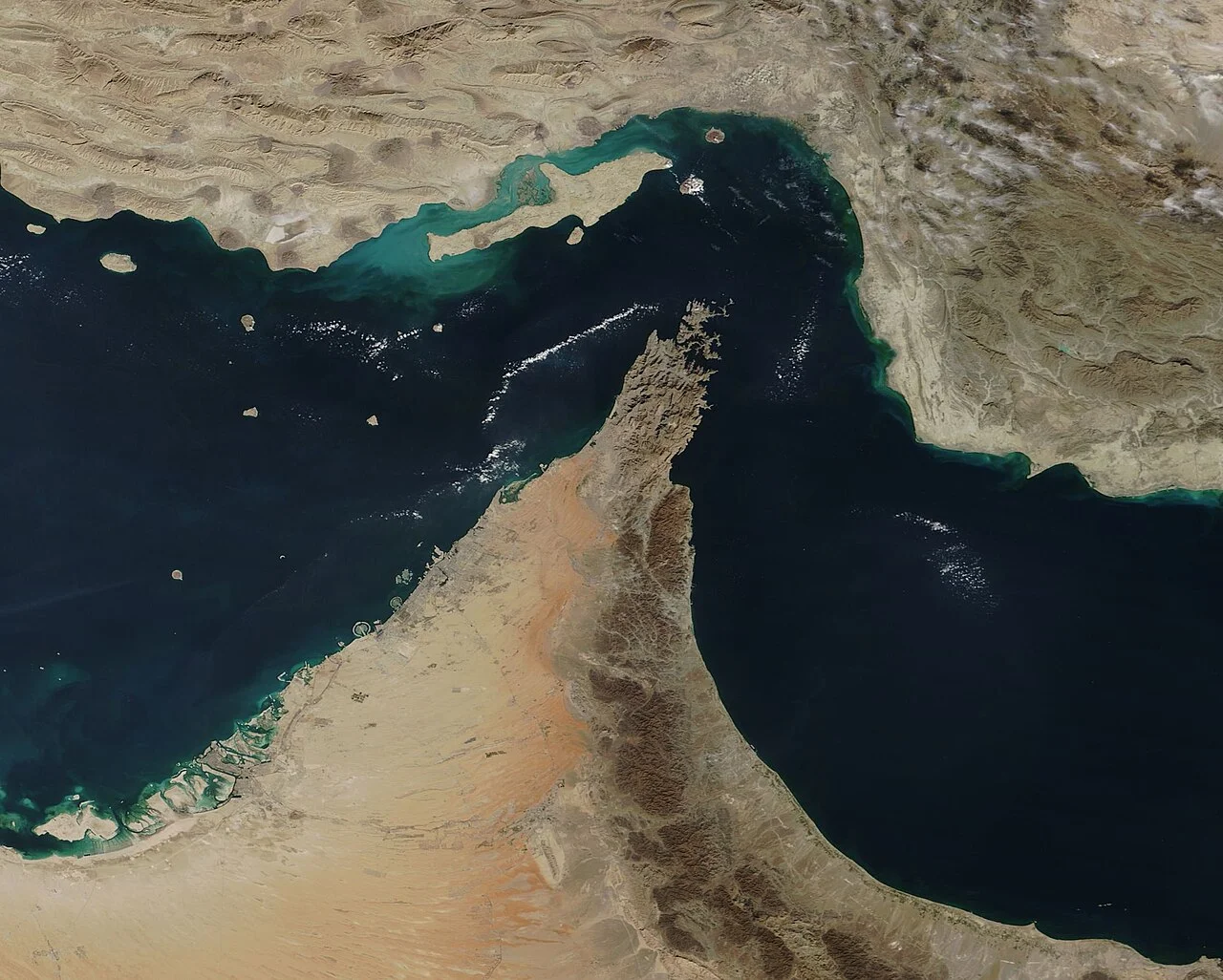
The Middle East has long been a focal point of global energy markets, and any shifts in the region have far-reaching consequences. The current situation follows months of heightened tension, including conflicts in Yemen, disputes between Iran and several Gulf states, and concerns over the security of key shipping routes such as the Strait of Hormuz. These factors have contributed to a volatile market environment, with prices swinging based on news from the region.
Recent diplomatic efforts, including a meeting between U.S. and Middle Eastern officials in Geneva, have been seen as a positive step toward de-escalation. However, many analysts caution that the situation remains delicate, and any new developments could quickly reverse the current trend.
What Should We Watch Next?
Investors and policymakers are closely monitoring the situation for any signs of renewed tension. Key indicators to watch include military movements, statements from regional leaders, and any changes in trade policies that could affect oil supply and demand. Additionally, the performance of global stock markets and the U.S. dollar will continue to play a role in shaping oil prices in the coming weeks.
The upcoming week is expected to bring more clarity, as several major economic reports are scheduled for release. These include data on U.S. employment, inflation, and manufacturing activity, all of which could influence market sentiment. For now, the focus remains on whether the recent drop in oil prices reflects a genuine shift in the Middle East or merely a temporary reprieve in an ongoing crisis.