Israel conducted a series of airstrikes on Iranian-backed militias in Syria early Thursday, marking a significant escalation in the ongoing conflict between the two regional adversaries. The attacks, reportedly targeting weapons depots and military installations, come amid heightened tensions following a recent surge in cross-border violence. The Israeli military confirmed the operation, stating it was a response to growing threats from Iranian-backed groups in the region.
What Happened and Who Was Involved
The Israeli Air Force carried out the strikes in the eastern and central parts of Syria, focusing on areas linked to Iran’s Revolutionary Guard Corps (IRGC) and its local allies, including Hezbollah. According to Syrian state media, several explosions were reported in the region, though no immediate casualties were confirmed. The strikes follow a pattern of Israeli military action against Iranian interests in Syria, which has been a key battleground for regional influence. Israel has long opposed Iran’s growing presence in the region, viewing it as a direct threat to its national security.

Iran has not officially commented on the strikes, but state media in Tehran has warned of potential retaliation. The IRGC has previously threatened to strike Israeli targets if it perceived any further attacks on its allies. The situation has raised concerns among regional analysts, who note that the conflict could spill over into broader regional instability. The U.S. has also expressed concern, with officials urging restraint from all parties involved.
Why This Matters for the Middle East and the U.S.
The Israeli strikes highlight the deepening rivalry between Israel and Iran, two regional powers with competing interests in the Middle East. Iran’s support for groups like Hezbollah and Hamas has made it a key player in the region, while Israel has maintained a policy of pre-emptive military action against perceived threats. The conflict has significant implications for U.S. foreign policy, as Washington has long been a key ally of Israel and has sought to manage tensions with Iran through diplomatic channels.
The U.S. has been cautious in its response, emphasizing the need for de-escalation. However, the situation could complicate ongoing efforts to stabilize the region, particularly in Syria, where U.S. and Russian forces have been involved in a complex web of alliances. The strikes also raise questions about the effectiveness of diplomatic efforts to prevent further conflict. Analysts warn that without a coordinated approach, the situation could lead to a broader regional war.
Context and Regional Implications
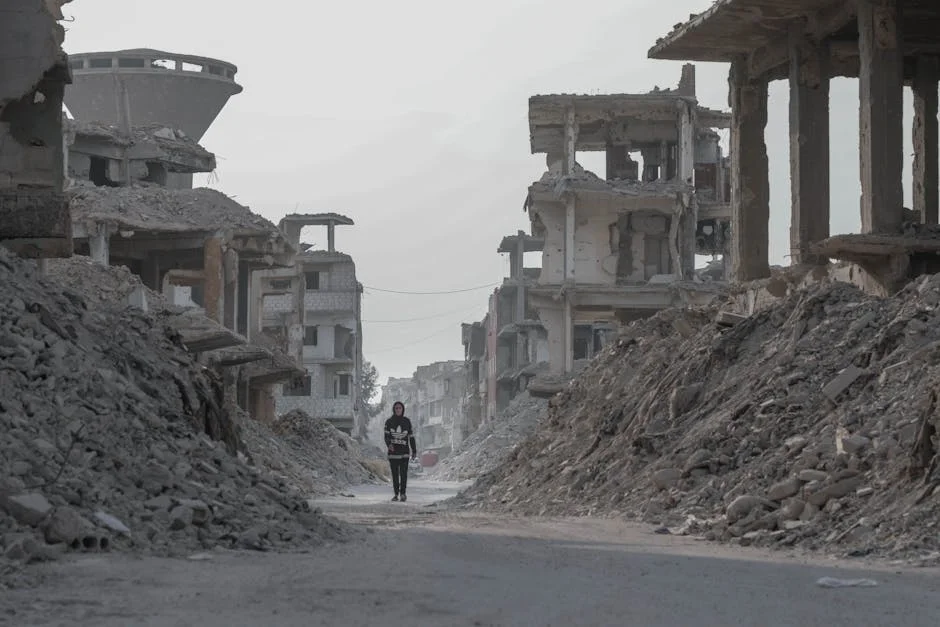

Since the 2011 Syrian civil war began, the country has become a proxy battleground for regional and global powers. Iran has backed the Assad regime, while Israel has sought to prevent the establishment of a permanent Iranian military presence near its borders. The recent strikes are part of a broader pattern of Israeli military action against Iranian assets in Syria, which has increased in frequency over the past year. The U.S. has occasionally provided intelligence support to Israel, though it has not publicly acknowledged direct involvement in such operations.
The situation is further complicated by the presence of U.S. and Russian forces in Syria, which have been engaged in a delicate balance of power. Any escalation in violence could risk a direct confrontation between these superpowers, with potentially devastating consequences. Regional analysts suggest that the current tension reflects a broader shift in Middle East dynamics, with traditional alliances being tested in the face of growing Iranian influence.
What to Watch Next
Following the airstrikes, the focus will be on Iran’s response and whether it escalates the conflict. Analysts are also watching for any potential U.S. involvement or statements from the Biden administration. The situation in Syria remains volatile, with multiple actors vying for influence. Any further military action could lead to a broader regional crisis, with significant implications for global security.
For the United States, the conflict underscores the challenges of maintaining stability in the Middle East while balancing support for Israel and efforts to manage tensions with Iran. The U.S. will likely continue to monitor the situation closely, with diplomatic and military options on the table. As the region remains in flux, the coming days will be critical in determining the trajectory of the conflict.
Frequently Asked Questions
What is the latest news about israel launches airstrikes on iranbacked targets in syria tensions escalate?
Israel conducted a series of airstrikes on Iranian-backed militias in Syria early Thursday, marking a significant escalation in the ongoing conflict between the two regional adversaries.
Why does this matter for politics-governance?
The Israeli military confirmed the operation, stating it was a response to growing threats from Iranian-backed groups in the region.
What are the key facts about israel launches airstrikes on iranbacked targets in syria tensions escalate?
According to Syrian state media, several explosions were reported in the region, though no immediate casualties were confirmed.