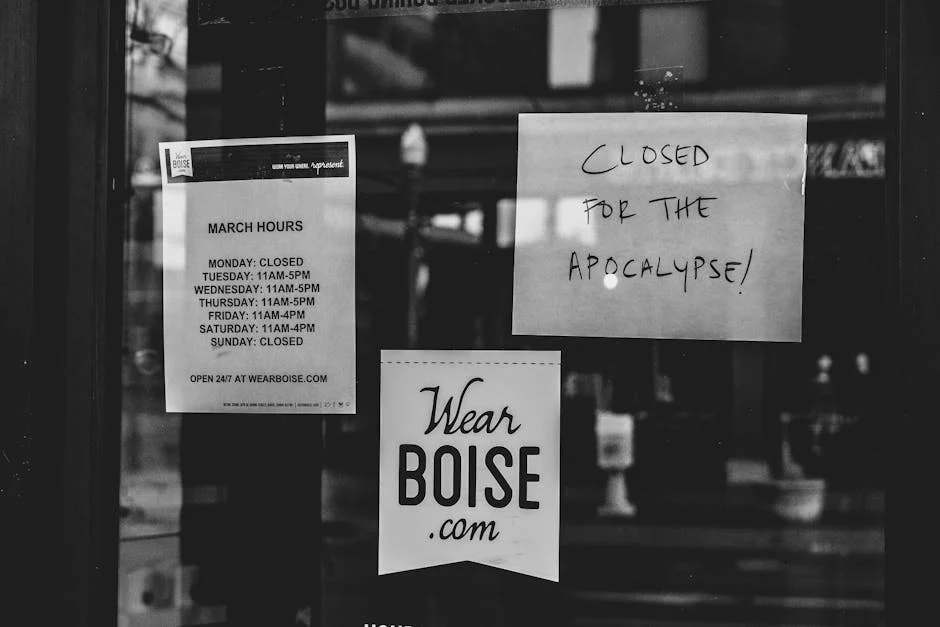
Brasília, the capital of Brazil, is experiencing widespread panic as the public awaits a highly anticipated testimony that has been described as the "end of the world." The testimony, which is expected to reveal critical information about a controversial political and economic crisis, has sparked fears of unrest and uncertainty among residents and officials alike. The situation has drawn national and international attention, with many questioning the stability of Brazil's political landscape.
The Testimony and Its Origins
The testimony in question is linked to a high-profile case involving several senior officials, including former government ministers and business leaders. It is believed that the testimony could expose corruption, financial misconduct, or other serious allegations that have long been suspected but never fully confirmed. The source of the testimony remains confidential, adding to the speculation and anxiety surrounding the event.
Political analysts suggest that the testimony could be a pivotal moment in Brazil's ongoing efforts to address systemic corruption. The country has seen a series of high-profile investigations in recent years, including Operation Car Wash, which led to the impeachment of former President Dilma Rousseff. However, the current testimony is said to involve new evidence that could have far-reaching implications for the political and economic future of the nation.
Public Reaction and Social Unrest
As the date of the testimony approaches, reports indicate that public anxiety is growing. Social media platforms are flooded with discussions about the potential fallout, with many users expressing fears of economic instability, political upheaval, or even civil unrest. Some citizens have taken to the streets in small protests, demanding transparency and accountability from the government.
Local authorities have been on high alert, with increased police presence in key areas of Brasília. Officials have urged citizens to remain calm and avoid spreading misinformation, while also emphasizing the importance of the legal process. However, the sense of urgency and uncertainty has led to a rise in panic buying, with some residents stockpiling essentials such as food, water, and medical supplies.
International Attention and Concern

The situation in Brasília has not gone unnoticed by the international community. Diplomatic representatives from several countries, including the United States, have expressed concern over the potential impact of the testimony on Brazil's political stability. Analysts in Washington and other global capitals are closely monitoring the developments, with some warning that the outcome could affect trade relations and regional cooperation.
Experts note that Brazil's political climate has been volatile in recent years, with frequent changes in leadership and deepening economic challenges. The testimony, if it reveals significant wrongdoing, could trigger a wave of resignations, legal actions, or even a shift in the country's political direction. For the United States and its allies, the situation highlights the broader implications of instability in South America.
What Comes Next?
As the testimony date draws closer, the focus remains on what will be revealed and how the nation will respond. Legal experts suggest that the outcome could set a precedent for future investigations and influence public trust in the judicial system. Meanwhile, the government is preparing for potential fallout, with contingency plans in place to manage any disruption.
For now, the people of Brasília are holding their breath, waiting for the moment that could change the course of Brazil's future. The story continues to unfold, and as more details emerge, the implications for the country—and the world—will become clearer.