Commuters in Belagavi, a city in the Indian state of Karnataka, have been seen rushing to petrol stations amid growing concerns over fuel shortages, fueled by unverified social media messages. The unrest, which began earlier this week, has led to long queues and a sharp rise in fuel prices, raising alarms among local authorities and residents alike. The situation highlights the growing influence of misinformation in shaping public behavior and economic stability.
What Happened in Belagavi
On Monday, social media platforms in Belagavi saw the rapid spread of messages claiming that the city was facing a severe petrol shortage due to supply chain disruptions. These posts, which were later found to be unfounded, triggered a wave of panic buying. By Tuesday, petrol stations in the city were either out of stock or operating with strict rationing. Some stations had to close temporarily due to the overwhelming demand.
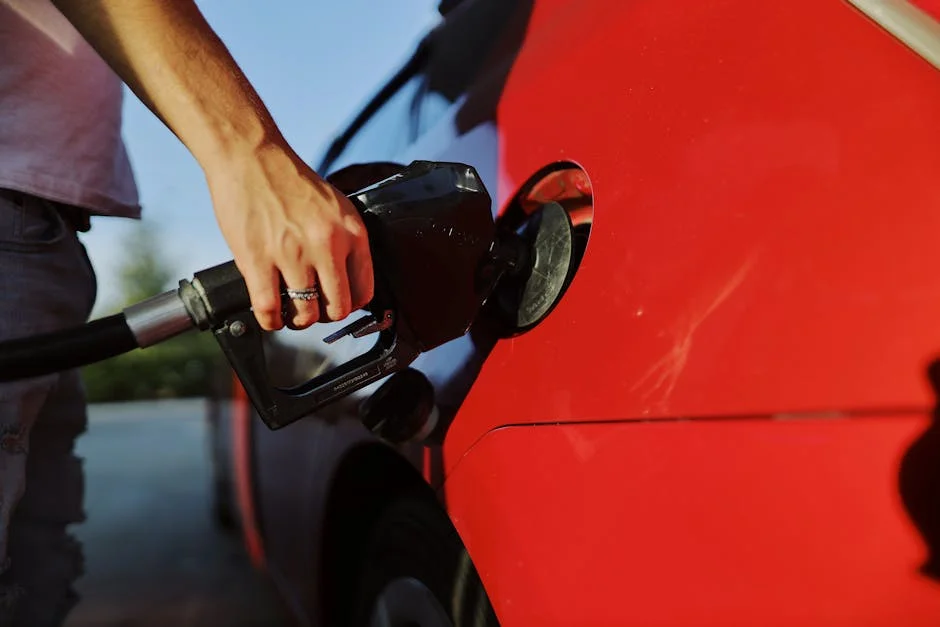
Local authorities have since issued statements clarifying that there is no actual shortage of fuel in the region. However, the damage was already done, with many residents having already stocked up on fuel, leading to a spike in prices. "We are working to restore normalcy, but the spread of misinformation has caused unnecessary chaos," said a local government spokesperson.
Why Belagavi Matters
Belagavi, a major city in Karnataka, is an important economic and transportation hub in southern India. The city's residents rely heavily on private vehicles for daily commuting, making fuel a critical necessity. The recent panic buying has not only disrupted daily life but also raised concerns about the broader implications of misinformation in a digitally connected world.
While the immediate impact is felt locally, the situation has broader implications for India's fuel distribution system. It underscores the vulnerability of supply chains to false information and highlights the need for better public communication strategies. Analysts suggest that similar incidents could occur in other urban centers if not addressed proactively.
Impact on Commuters


The panic buying has had a direct impact on commuters, who are now facing higher fuel costs and long waiting times at petrol stations. Many have expressed frustration over the situation, with some even questioning the reliability of local authorities. "I didn't expect to see this in a modern city," said one resident. "It's not just about fuel—it's about trust."
Experts warn that the incident could have long-term effects on consumer behavior. "Once people start stockpiling fuel due to fear, it becomes a self-fulfilling prophecy," said a transportation analyst. "This could lead to more frequent disruptions in fuel availability, even if the supply chain is functioning properly."
What to Watch Next
Local authorities are now working to restore public confidence by providing regular updates on fuel supplies and debunking false claims. They are also collaborating with social media platforms to monitor and remove misleading content. However, the challenge remains in ensuring that accurate information reaches the public in a timely manner.
For commuters in Belagavi, the situation remains uncertain. While the immediate shortage appears to be easing, the psychological impact of the panic buying could linger. As the city moves forward, the incident serves as a cautionary tale about the power of misinformation and the need for transparent communication in times of crisis.