India's younger generation is more educated than any before, yet a growing number remain unemployed, raising concerns about the country's economic trajectory and its broader implications. With a population of over 1.4 billion, the challenge of creating enough jobs for the millions of graduates entering the workforce each year has become a critical issue for policymakers and businesses alike.
Education Expansion and Employment Gap
Over the past two decades, India has significantly expanded its education system, with enrollment in higher education increasing from around 10% in 2000 to over 27% today. The government has invested heavily in institutions such as the Indian Institutes of Technology and the Indian Institutes of Management, producing a highly skilled workforce. However, this surge in education has not been matched by equivalent job creation. According to the National Sample Survey Office, the unemployment rate among those aged 15–29 reached 21.4% in 2022, far higher than the national average.
Experts point to a mismatch between the skills taught in educational institutions and those demanded by the job market. Many graduates lack the technical or practical skills needed for industries such as information technology, manufacturing, and agriculture. This gap has led to a situation where employers struggle to find qualified workers, while young people with degrees remain underemployed or unemployed.
Economic and Social Implications
The growing youth unemployment crisis has significant economic and social consequences. Economically, it represents a wasted investment in education and a lost opportunity for productivity. Socially, it fuels frustration and disillusionment, particularly in a country where youth make up nearly 60% of the population. The government has launched initiatives such as the Skill India Mission to address the skills gap, but progress has been slow.
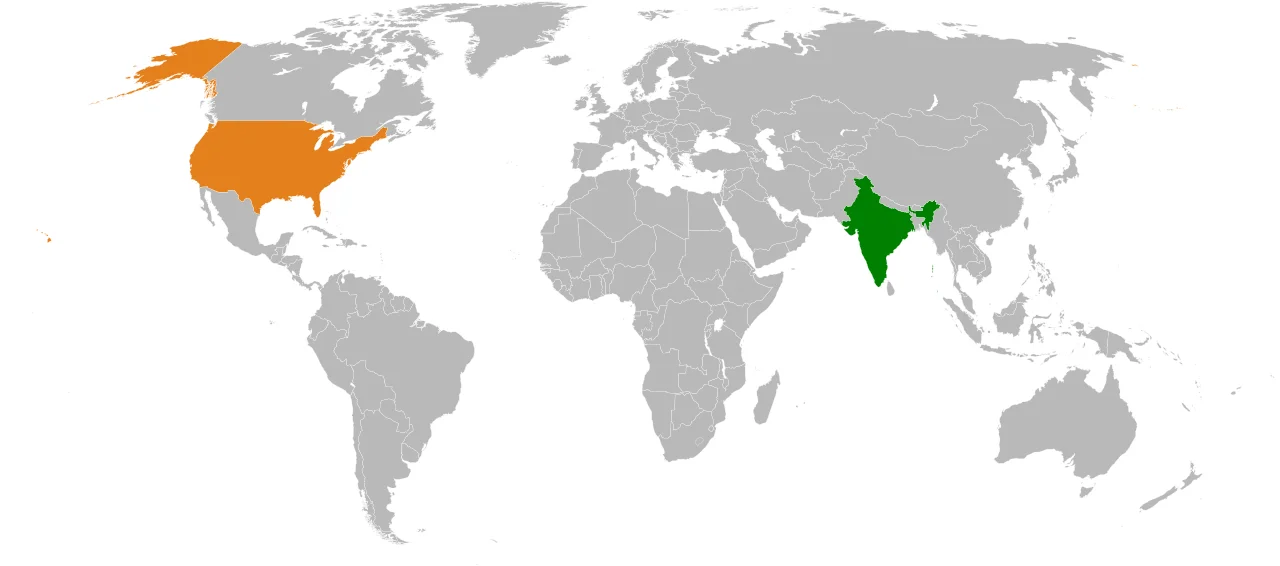
Analysts suggest that without a comprehensive strategy to align education with employment needs, India's demographic dividend could turn into a demographic liability. This has broader implications, not only for India but also for global economies that rely on Indian talent and labor. The U.S., for instance, has long benefited from India's educated workforce, with many Indian professionals contributing to tech, healthcare, and other sectors.
Government and Private Sector Responses


The Indian government has introduced several policies to boost job creation, including tax incentives for businesses and support for startups. However, the private sector has been slow to respond, with many companies opting for automation over hiring. According to the World Bank, India's labor force participation rate for young people has declined over the past decade, indicating a growing disconnection between education and employment.
Private sector leaders have called for greater collaboration with educational institutions to ensure that curricula reflect industry needs. Some companies have begun offering training programs and internships, but these efforts remain limited in scope. The challenge is not just about creating jobs, but about ensuring that the jobs available are meaningful and well-paying.
Global Perspectives and Future Outlook
India's education and employment challenges have drawn international attention, with global organizations such as the International Labour Organization highlighting the need for systemic reforms. The situation also has implications for the U.S., where many Indian graduates seek employment or further education. A more stable and productive Indian labor market could enhance global economic cooperation and innovation.
Looking ahead, the success of India's efforts to bridge the education-employment gap will depend on sustained investment, policy reforms, and stronger public-private partnerships. For now, the country faces a critical juncture, with the future of its youth—and its economy—hanging in the balance.