In a major conservation milestone, Uganda has successfully reintroduced black rhinos to Kidepo Valley Park, marking their first return to the area since 1983. The effort, led by the Uganda Wildlife Authority (UWA) in collaboration with international conservation partners, involved the translocation of 12 rhinos from South Africa’s Karoo National Park. The animals were moved in late 2023 and released into the park’s protected savannahs, where they are now being monitored closely.
Conservation success after decades of decline
The reintroduction of rhinos to Kidepo Valley Park is a significant step in restoring the region’s biodiversity. Black rhinos, once common in Uganda, were nearly wiped out in the 1980s due to poaching and habitat loss. By 1983, the last known rhino in the area had been killed, leaving the species absent from the park for over four decades. The current project aims to reestablish a self-sustaining population and rebuild the ecosystem that once supported these iconic animals.
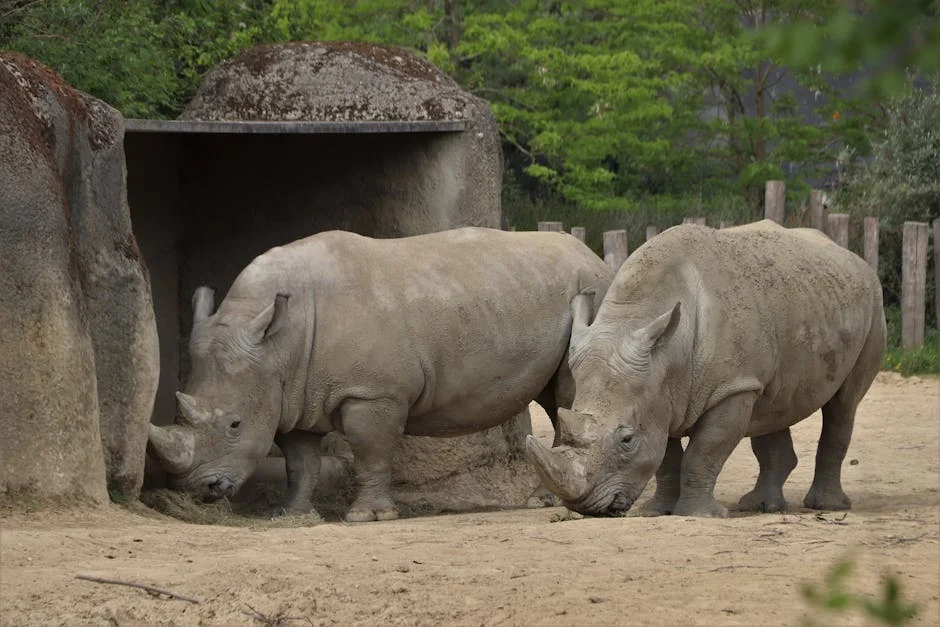
Uganda’s wildlife officials say the move is part of a broader strategy to protect endangered species and boost tourism. Kidepo Valley Park, located in the remote northeastern corner of the country, is known for its rugged landscapes and diverse wildlife. The presence of rhinos is expected to attract more visitors and generate revenue for local communities, which has been a key challenge for the park in recent years.
Challenges and risks of the reintroduction
Despite the optimism, the reintroduction carries risks. Poaching remains a threat in parts of Uganda, and the park’s remote location makes it harder to monitor and protect the rhinos. Conservationists have emphasized the need for strong anti-poaching measures, including increased patrols and community engagement. The UWA has pledged to work with local tribes to ensure that the rhinos are protected and that the surrounding areas are managed sustainably.
The project also faces logistical challenges. Transporting the rhinos from South Africa to Uganda required careful planning, including air transport and on-ground tracking. The animals were sedated and moved in groups to minimize stress. Once released, they were fitted with GPS collars to allow conservationists to track their movements and ensure their safety.
International collaboration and funding

The success of the project was made possible by international partnerships and funding. The UWA worked with the African Wildlife Foundation, the World Wildlife Fund (WWF), and the South African National Parks (SANParks) to coordinate the translocation. Financial support came from a mix of government grants and private donors, highlighting the global interest in rhino conservation.
“This is a historic moment for Uganda’s conservation efforts,” said Dr. John Muyungi, director of the UWA. “It shows that with the right support and planning, we can bring back species that were once lost to us. But it’s only the beginning. We need long-term commitment to ensure the rhinos thrive here.”
What comes next for Kidepo Valley Park?
Conservationists are now focusing on the long-term survival of the rhinos. The UWA has set up a dedicated team to monitor the animals and assess their adaptation to the new environment. If the initial phase is successful, more rhinos may be introduced in the future to strengthen the population.
The project also raises questions about the future of Kidepo Valley Park as a conservation and tourism hub. With the return of rhinos, the park could become a flagship destination for wildlife enthusiasts in East Africa. However, officials warn that sustainable tourism must be balanced with conservation goals to avoid overexploitation of the area.
Why Kidepo Valley Park matters
Kidepo Valley Park is one of Uganda’s most remote and least visited national parks, yet it holds immense ecological value. The park is home to over 400 species of birds, large mammals such as lions, elephants, and cheetahs, and unique ecosystems that support rare wildlife. The return of rhinos is a powerful symbol of the park’s potential to recover and thrive with the right interventions.
For Ugandans and conservationists worldwide, the reintroduction of rhinos to Kidepo Valley Park is more than just a wildlife story—it’s a testament to the resilience of nature and the importance of global cooperation in protecting endangered species. As the rhinos settle into their new home, their survival will be watched closely, with hopes that they will become a lasting symbol of conservation success.