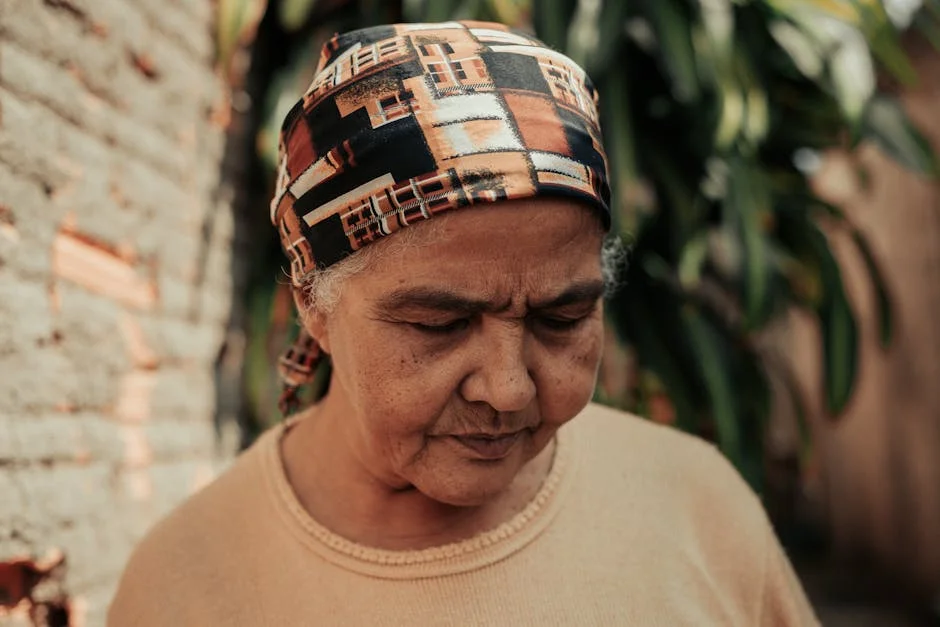
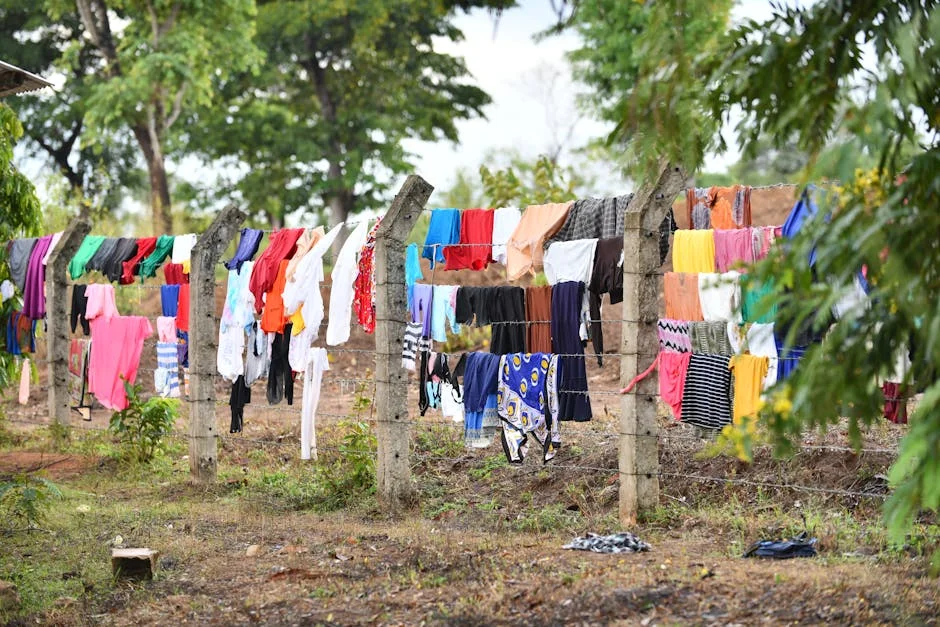
In Sudan's North Darfur region, displaced families marked the Islamic holiday of Eid al-Fitr under the shadow of ongoing conflict, with many refugees in Tawila and surrounding areas struggling to find basic necessities. The festival, which traditionally brings communities together in celebration, has been overshadowed by the devastation caused by years of war, displacement, and humanitarian crises.
The conflict in North Darfur, which began in 2003, has led to the displacement of millions of people, with refugee camps struggling to cope with overcrowding, lack of clean water, and limited access to medical care. As Eid approached, aid agencies reported a sharp increase in demand for food and shelter, as families attempted to observe the holiday despite the dire conditions.
Humanitarian Crisis Intensifies
Refugees in Tawila, a town in North Darfur, described the challenges of celebrating Eid in a camp that lacks basic infrastructure. "We don't have enough food, and the water is not safe to drink," said Amina Musa, a mother of five. "But we try to make the best of it. We pray, and we share what little we have with others."
The United Nations has repeatedly warned that the humanitarian situation in North Darfur is deteriorating, with thousands of people facing acute food insecurity. According to the World Food Programme, over 2.5 million people in Sudan are in need of urgent food assistance, and the situation is expected to worsen as the rainy season begins.
Regional and Global Implications
The crisis in North Darfur has drawn international attention, with the United States and other global powers calling for greater support for humanitarian efforts. The U.S. has provided millions in aid to Sudan, but critics argue that more needs to be done to address the root causes of the conflict and ensure long-term stability.
"The situation in North Darfur is not just a regional issue—it has global implications," said Dr. Sarah El-Sayed, a Sudan expert at the Brookings Institution. "The instability in the region affects trade routes, regional security, and the flow of refugees into neighboring countries, which in turn impacts the U.S. and its allies."
Local Struggles and Resilience
Despite the hardships, many displaced families in North Darfur are showing remarkable resilience. Local community leaders have organized small Eid celebrations, using whatever resources they can gather. In some camps, volunteers distribute food parcels and organize prayers, providing a sense of normalcy in an otherwise chaotic environment.
"We may not have much, but we try to keep our traditions alive," said Mohamed Adam, a community worker in Tawila. "Eid is a time for hope, even if the circumstances are difficult."
What's Next for North Darfur?
As the conflict in Sudan continues, the situation in North Darfur remains a critical concern for both regional and international actors. The United Nations and aid organizations are urging increased funding and political engagement to prevent further humanitarian disaster.
For the United States, the crisis in North Darfur highlights the complex interplay between regional instability, global security, and humanitarian responsibility. As the world watches, the question remains: will the international community take the necessary steps to support the people of North Darfur and bring lasting peace to the region?