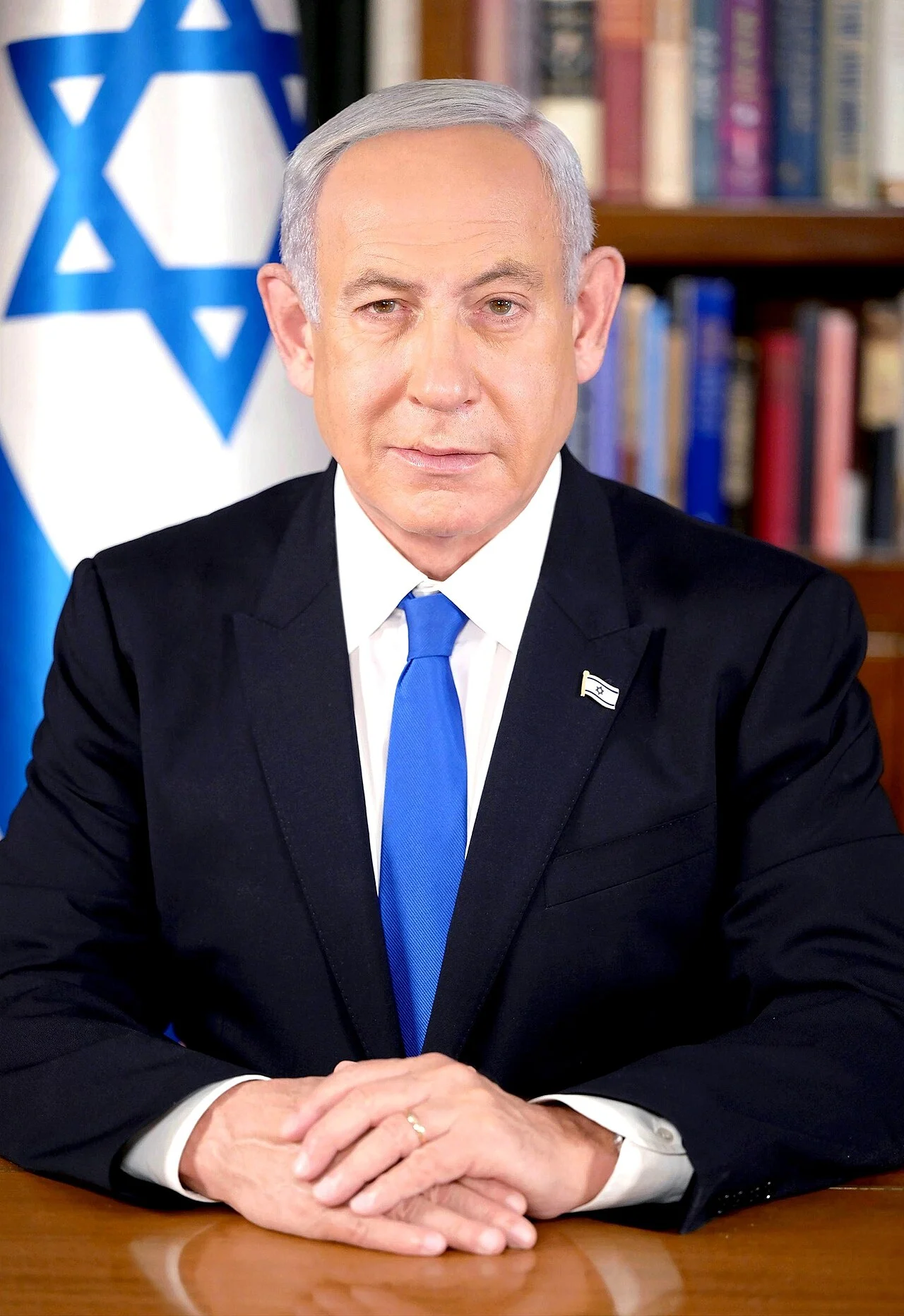
Israeli Prime Minister Benjamin Netanyahu posted a video on social media claiming to show his “proof of life” amid growing uncertainty over his whereabouts following a recent attack on his residence. The video has sparked debate, with some questioning its authenticity in the context of deepening concerns about the spread of artificial intelligence (A.I.) in shaping public perception of reality. The incident has raised broader concerns about the role of A.I. in verifying truth and influencing political narratives.
Netanyahu’s Video and the Question of Authenticity
The video, which was shared on multiple platforms, shows Netanyahu in what appears to be a secure location, addressing supporters and reaffirming his commitment to national security. The footage, however, has been met with skepticism, with some users pointing to inconsistencies in the background and the lighting that suggest it may not be entirely genuine. The timing of the video, released just days after a suspected drone strike on his home in Tel Aviv, has also fueled speculation about its purpose.
Experts in digital forensics have noted that A.I.-generated content is becoming increasingly sophisticated, making it harder to distinguish between real and fabricated material. This has led to calls for greater transparency and verification processes when public figures share sensitive content. “The line between truth and fabrication is blurring,” said one media analyst, “and this incident highlights the urgent need for better tools to verify digital content.”
The Role of A.I. in Shaping Public Perception
The rise of A.I. tools capable of generating hyper-realistic images, videos, and audio has led to a surge in misinformation and disinformation. These tools, often referred to as “deepfakes,” can be used to manipulate public opinion, spread false narratives, or even impersonate individuals for political or financial gain. In the case of Netanyahu’s video, the use of A.I. has raised questions about whether the content could have been generated or altered by external actors.
Researchers at the University of California, Berkeley, have warned that the proliferation of A.I.-generated media could undermine trust in democratic institutions. “When people can no longer trust what they see or hear, it becomes easier for misinformation to take root,” said a lead researcher on the project. “This is a critical moment for policymakers and technologists to address the ethical implications of A.I. in media.”
Context and Broader Implications

The incident comes at a time of heightened geopolitical tension, with Israel facing ongoing security threats and internal political instability. Netanyahu’s leadership has been a subject of intense scrutiny, and the release of this video has been interpreted by some as an attempt to reinforce his public image and reassure the public. However, the doubts surrounding its authenticity have only deepened the uncertainty.
Analysts say the case reflects a growing challenge for governments and media organizations: how to navigate an information landscape where the very notion of “truth” is being redefined. “This isn’t just about one video,” said a political commentator. “It’s about the broader shift in how we consume and verify information in the digital age.”
What’s Next for A.I. Regulation and Media Verification
As the debate over Netanyahu’s video continues, calls for stronger A.I. regulation have intensified. Some lawmakers in the United States and Europe are pushing for legislation that would require A.I.-generated content to be clearly labeled, while others are advocating for more rigorous verification processes for public figures. In the U.S., the Federal Trade Commission (FTC) has also begun exploring ways to combat the spread of A.I.-driven misinformation.
For now, the situation remains fluid. While Netanyahu’s team has not commented directly on the authenticity of the video, the incident has underscored the growing need for public awareness and critical thinking in the digital era. “People need to be more discerning about what they see online,” said a media literacy advocate. “The tools to detect A.I.-generated content are improving, but the responsibility also lies with the audience to question what they’re being shown.”
Looking Ahead: The Future of Truth in the Digital Age
The controversy surrounding Netanyahu’s video is just one example of how A.I. is reshaping the way we perceive reality. As the technology continues to evolve, the challenge of distinguishing between real and fake content will only become more complex. In the coming months, the focus will likely shift to how governments, tech companies, and the public can work together to maintain trust in the information we consume.
For now, the case of Netanyahu’s video serves as a cautionary tale about the power of A.I. to influence public perception and the urgent need for transparency and accountability. As the debate continues, one thing is clear: the definition of “truth” is no longer as simple as it once was.
Frequently Asked Questions
What is the latest news about netanyahu posts proof of life video as ai sows doubts about whats real?
Israeli Prime Minister Benjamin Netanyahu posted a video on social media claiming to show his “proof of life” amid growing uncertainty over his whereabouts following a recent attack on his residence.
Why does this matter for technology-innovation?
The incident has raised broader concerns about the role of A.I.
What are the key facts about netanyahu posts proof of life video as ai sows doubts about whats real?
Netanyahu’s Video and the Question of Authenticity The video, which was shared on multiple platforms, shows Netanyahu in what appears to be a secure location, addressing supporters and reaffirming his commitment to national security.