A drone strike on a key Kuwaiti oil refinery has reignited concerns over regional security and the escalating influence of Iran in the Gulf. The incident occurred at the Mina Al-Ahmadi refinery, one of the largest in the country, on Tuesday, causing a fire that took emergency crews hours to extinguish. No casualties have been reported, but the attack has raised alarms about the vulnerability of critical energy infrastructure in the region.
Attack on Mina Al-Ahmadi refinery
The strike targeted the Mina Al-Ahmadi oil refinery, located in the southern part of Kuwait. The facility processes over 600,000 barrels of crude oil per day, making it a crucial asset for the country’s energy sector. According to a statement from the Kuwaiti Ministry of Energy, the attack was carried out by an unmanned aerial vehicle, which struck a storage tank and triggered a large fire. Firefighters and security forces were deployed to the site, and the blaze was eventually contained after several hours.
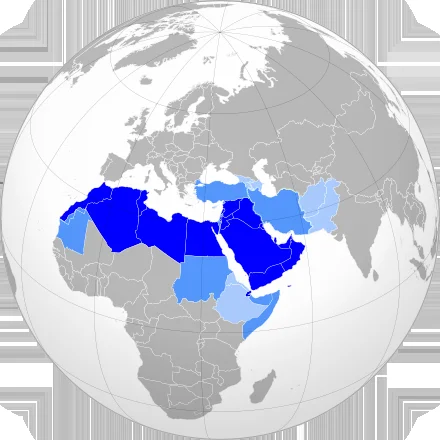
Kuwait’s government has not officially attributed the attack to any group, but regional analysts have pointed to Iran’s growing influence in the area. The country has been accused of supporting proxy groups in the region, including Houthis in Yemen and Shia militias in Iraq. While Iran has not claimed responsibility, the timing and method of the attack have raised suspicions among security experts.
Regional tensions and geopolitical implications
The attack comes amid heightened tensions in the Middle East, where Iran has been accused of conducting a series of cyberattacks and sabotage operations against oil infrastructure in the Gulf. In 2019, a similar drone and missile attack on Saudi Arabia’s Abqaiq and Khurais facilities disrupted global oil markets, highlighting the vulnerability of the region’s energy sector. Analysts warn that repeated attacks on critical infrastructure could destabilize the region and have far-reaching economic consequences.
Kuwait, a key US ally in the Gulf, has been careful to avoid direct confrontation with Iran, despite growing concerns. The country has maintained a delicate balance between its relationship with the United States and its diplomatic ties with Iran. However, the recent attack has forced Kuwait to reconsider its security posture, with officials calling for increased regional cooperation to counter threats to energy infrastructure.
Impact on global energy markets


The attack on the Mina Al-Ahmadi refinery has raised concerns about the stability of global oil supplies. Kuwait is a major exporter of crude oil, and disruptions to its production could have ripple effects on global markets. While the immediate impact on oil prices has been limited, the incident has increased uncertainty in the region, which could lead to higher volatility in the short term.
Experts suggest that the attack may also influence US foreign policy in the Gulf. The United States has been closely monitoring the situation, with officials expressing concern over the growing threat posed by Iran. The incident could lead to increased military presence in the region or renewed diplomatic efforts to address the security challenges faced by Gulf states.
What’s next for Kuwait and the region?
Kuwaiti officials have called for an international investigation into the attack, urging the international community to take action against those responsible. The country has also announced plans to enhance its cybersecurity and physical security measures at critical infrastructure sites. However, many analysts believe that without broader regional cooperation, such attacks will continue to pose a significant threat.
As the situation develops, the international community will be watching closely. The incident underscores the growing risks to energy security in the Middle East and highlights the need for a coordinated response to address the escalating threats. For the United States, the attack serves as a reminder of the strategic importance of the Gulf and the need to maintain a strong presence in the region to protect vital interests.