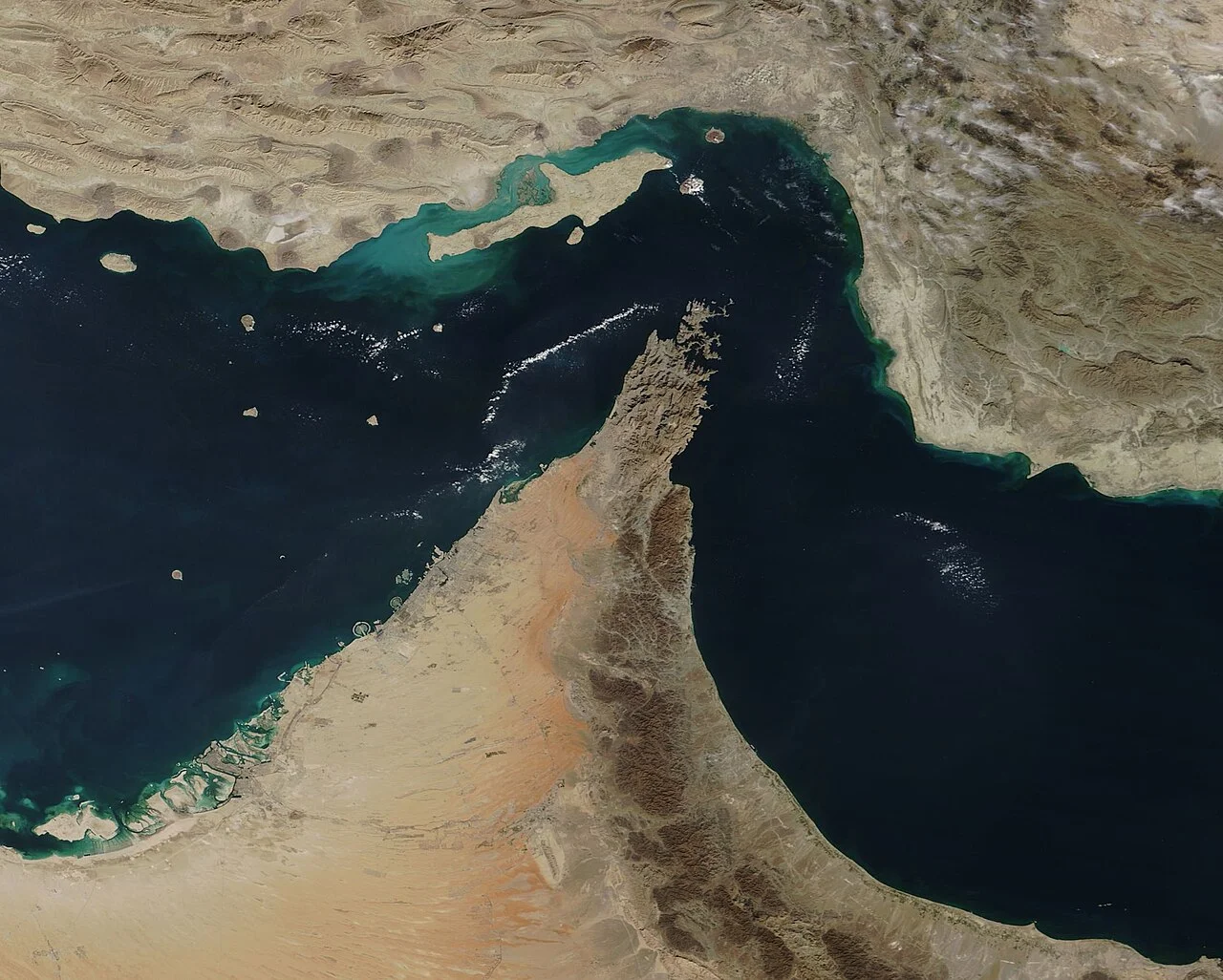
The escalating conflict in the Middle East, particularly involving Iran, has triggered global market volatility and raised concerns among US consumers about rising costs and economic instability. Recent clashes between Iranian-backed groups and US forces in the region, coupled with renewed nuclear negotiations, have intensified fears of broader regional warfare. These developments are closely tied to energy markets, trade routes, and geopolitical alliances, all of which directly influence US households and businesses.
Current Tensions in the Middle East
Recent weeks have seen heightened tensions in the Middle East, with Iran accused by the US of orchestrating attacks on oil facilities in Saudi Arabia and targeting American personnel in Iraq. In response, the US has deployed additional military assets to the region, including fighter jets and missile defense systems. Analysts warn that any miscalculation could spark a wider conflict, disrupting global oil supplies and destabilizing economies reliant on Middle East energy exports.
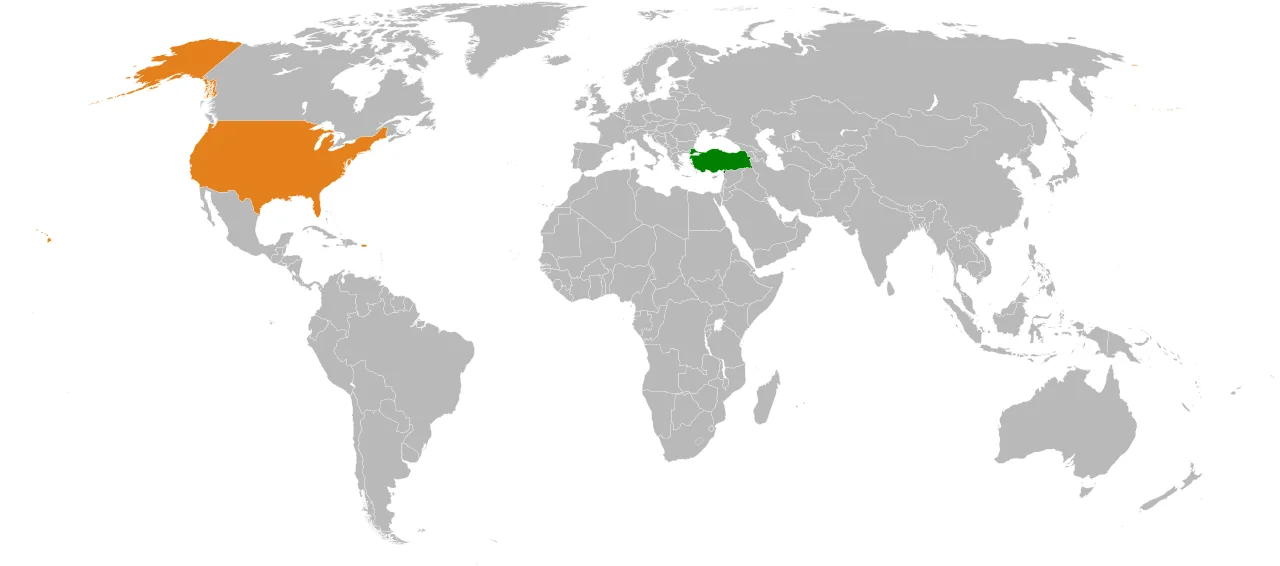
The situation is further complicated by ongoing negotiations over Iran’s nuclear program. While the US and European powers seek to revive the 2015 nuclear deal, Iran has demanded the lifting of sanctions before engaging in talks. This deadlock has created uncertainty, with markets reacting to the possibility of renewed hostilities or economic pressure on Iran.
Historical Context and Regional Dynamics
The Middle East has long been a flashpoint for geopolitical rivalries, with Iran at the center of disputes involving Saudi Arabia, the US, and regional allies. Since the 1979 Islamic Revolution, Iran’s support for proxy groups in Syria, Yemen, and Iraq has fueled sectarian conflicts, while its nuclear ambitions have drawn international scrutiny. The 2018 US withdrawal from the Iran nuclear deal and subsequent sanctions exacerbated tensions, leading to a series of retaliatory actions by Tehran.
Historically, conflicts in the region have had direct economic consequences. For example, the 2019 attacks on Saudi oil facilities caused a temporary spike in global oil prices, costing consumers billions. Experts note that similar disruptions today could worsen inflation, particularly as the US economy recovers from pandemic-related shocks and faces rising interest rates.
Economic Ripple Effects on US Consumers


Oil prices are a key concern for US households, as they directly impact fuel costs, transportation, and manufacturing. A surge in Middle East tensions could drive Brent crude prices above $100 per barrel, a level not seen since 2022. This would likely lead to higher gasoline prices, increasing expenses for commuters and businesses reliant on shipping. Additionally, supply chain disruptions could delay goods and raise retail prices, further straining inflationary pressures.
The Federal Reserve’s efforts to combat inflation may also be affected. If energy prices rise sharply, the central bank might feel compelled to maintain high interest rates, slowing economic growth. Meanwhile, companies in sectors like aviation and logistics could pass on increased costs to consumers, creating a ripple effect across the economy.
What to Watch Next: Geopolitical and Economic Signals
Analysts are closely monitoring diplomatic efforts to de-escalate tensions. A breakthrough in nuclear negotiations could ease market fears, while continued hostilities might trigger broader sanctions or military action. Additionally, the outcome of the US midterm elections in November could influence foreign policy decisions, with voters increasingly prioritizing economic stability and national security.
For US consumers, the situation underscores the interconnectedness of global politics and daily life. Experts recommend hedging against energy price volatility by exploring alternative fuels or energy-efficient practices. Meanwhile, investors are advised to diversify portfolios to mitigate risks linked to geopolitical uncertainty.
Conclusion: Navigating Uncertainty in a Globalized World
The Middle East’s ongoing instability serves as a reminder of how regional conflicts can reverberate globally. For the US, the stakes are high: energy security, economic growth, and international alliances all hang in the balance. As the situation evolves, staying informed and adaptable will be crucial for individuals and businesses navigating this complex landscape.
Frequently Asked Questions
What is the latest news about iran escalates tensions spurring global markets and us bill concerns?
The escalating conflict in the Middle East, particularly involving Iran, has triggered global market volatility and raised concerns among US consumers about rising costs and economic instability.
Why does this matter for politics-governance?
These developments are closely tied to energy markets, trade routes, and geopolitical alliances, all of which directly influence US households and businesses.
What are the key facts about iran escalates tensions spurring global markets and us bill concerns?
In response, the US has deployed additional military assets to the region, including fighter jets and missile defense systems.